LAUNCH | "Cybersecurity Governance in Latin America"
This article was translated automatically and may contain differences from the original. For reference, read the original.
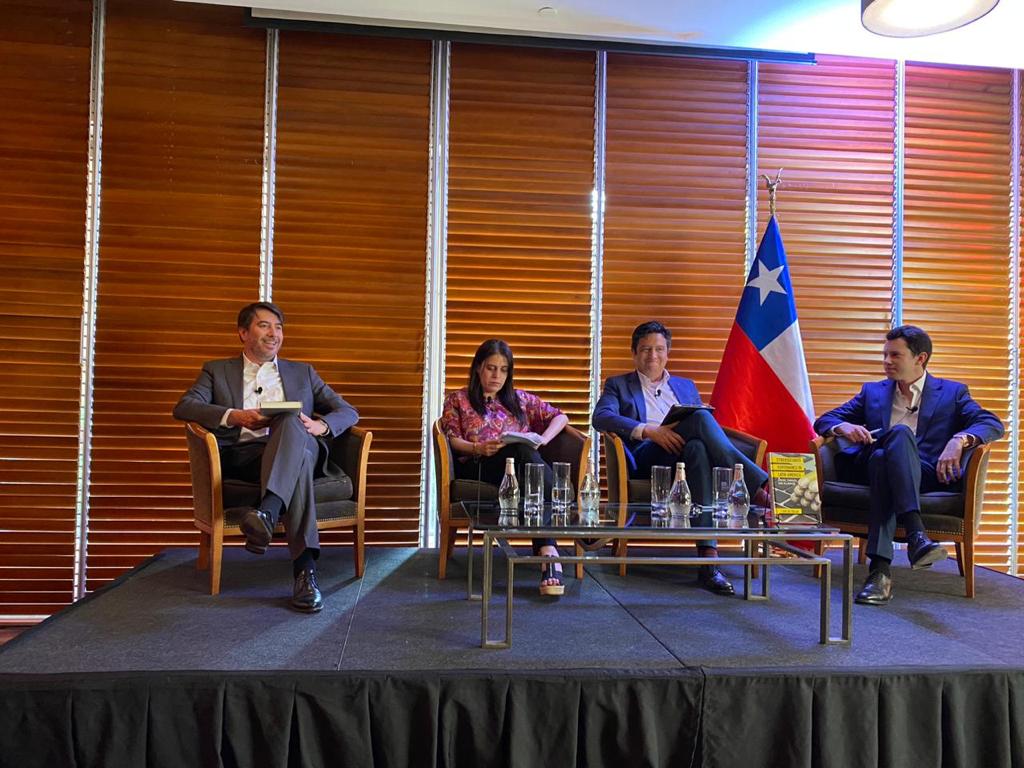
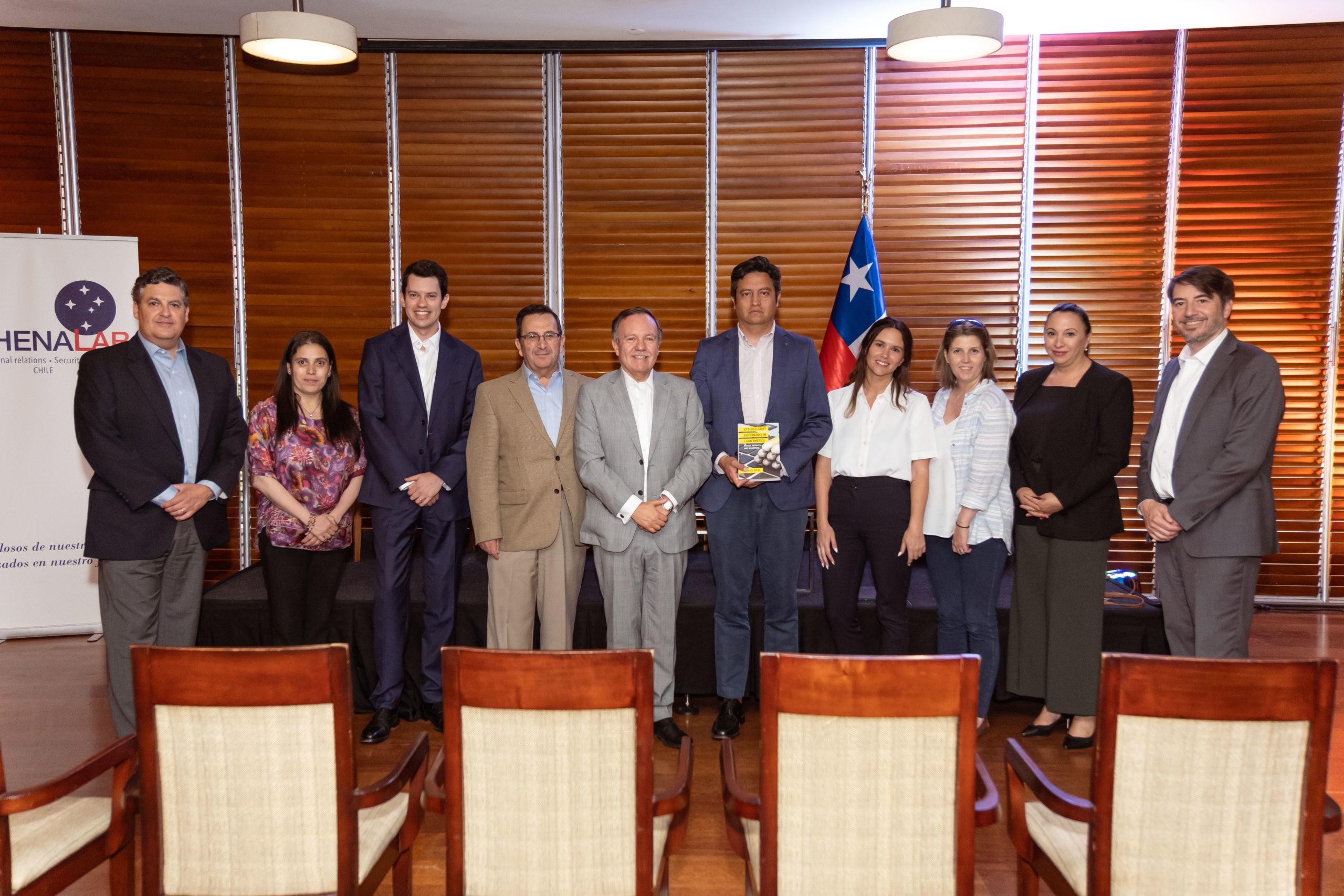
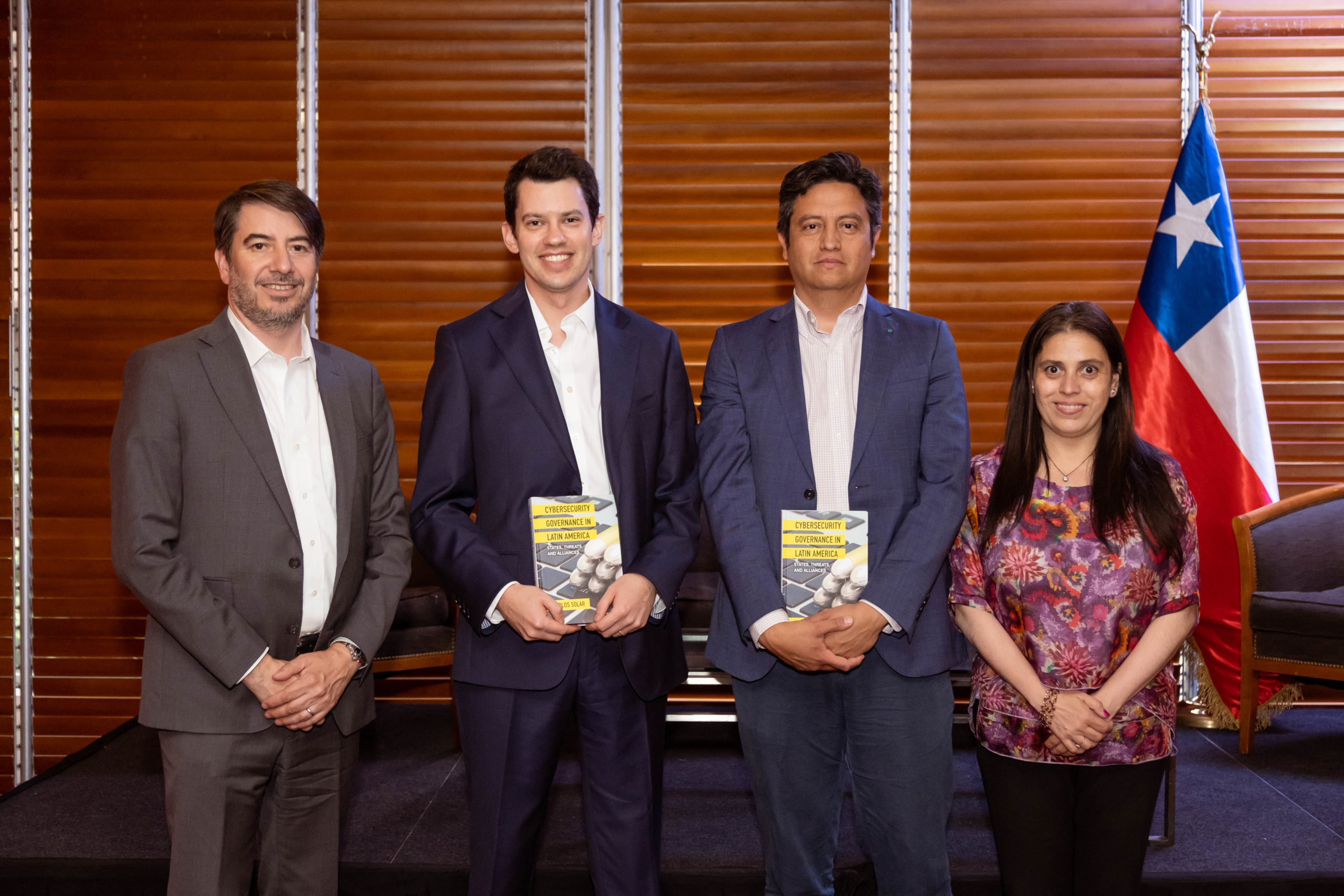
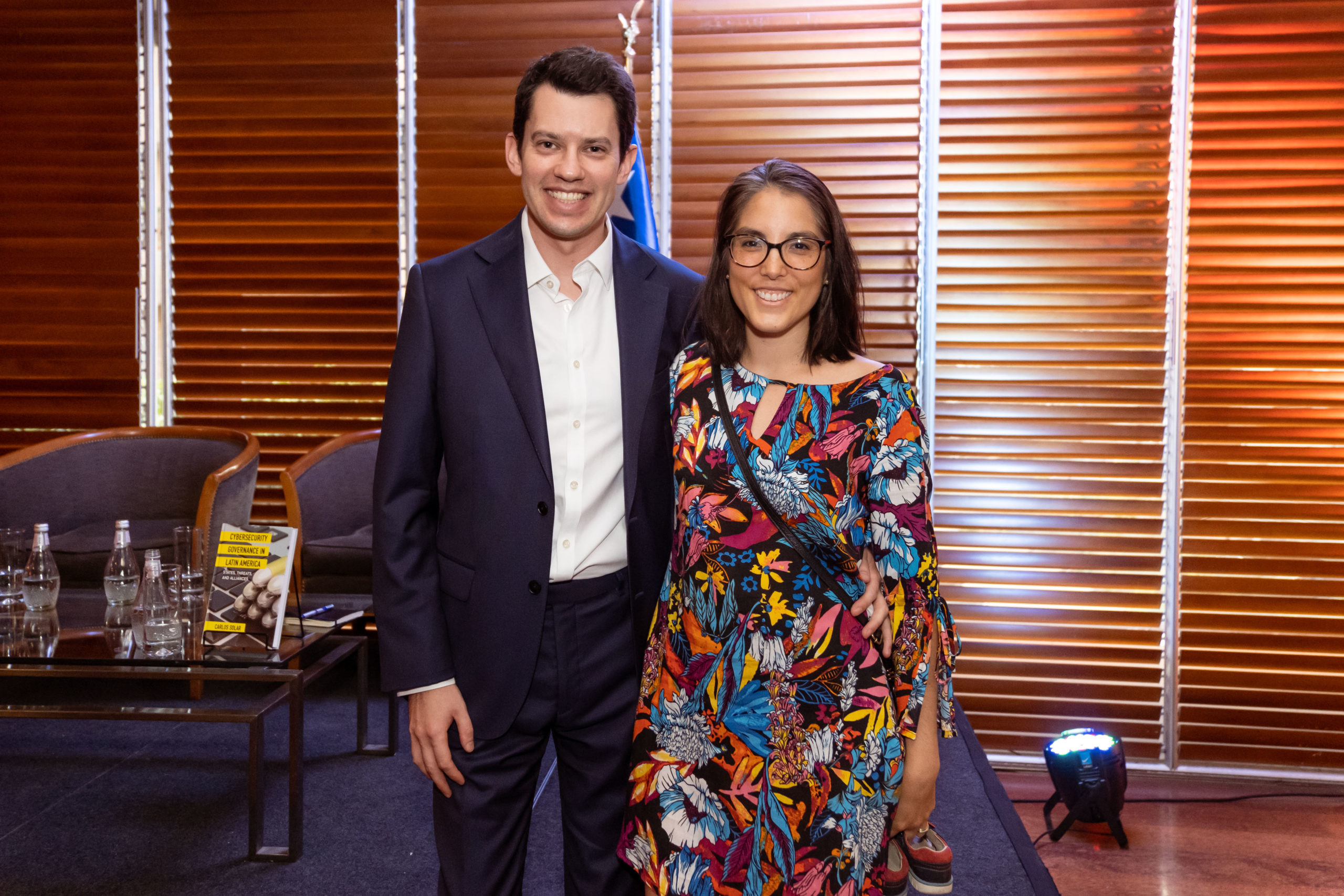
On the occasion of its presence in Chile, AthenaLab held the launch of the book “Cybersecurity Governance in Latin America: States, Threats, and Alliances” by Carlos Solar, senior researcher at the Royal United Services Institute (RUSI) on Latin American security.
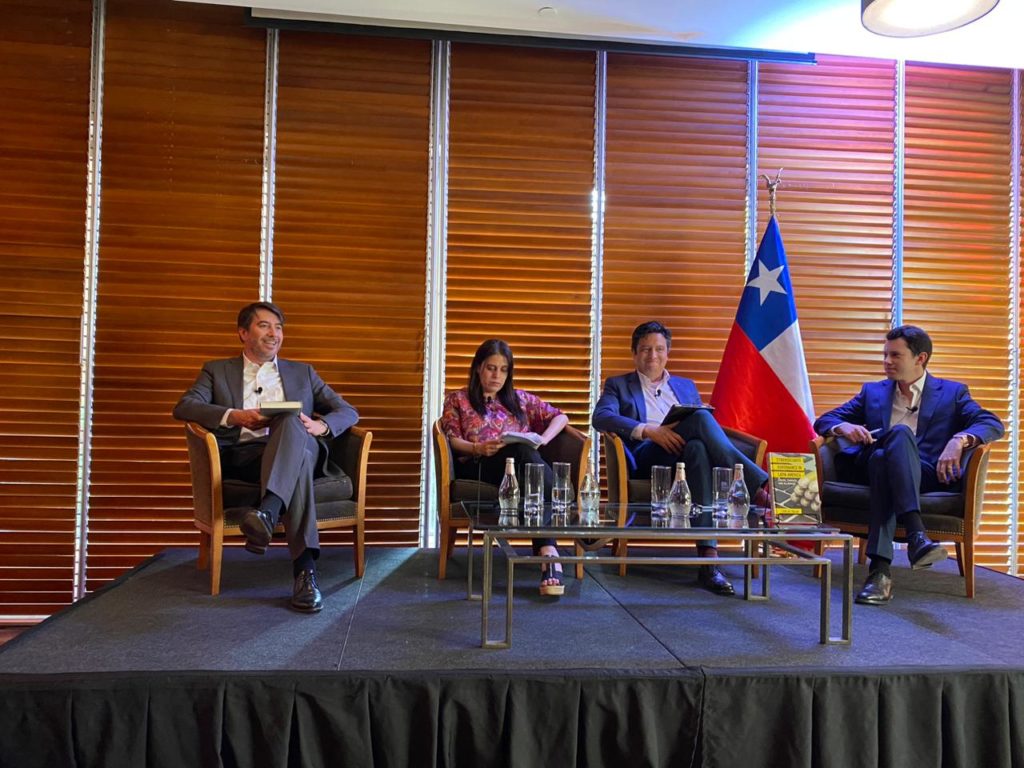
In commenting on the book, the National Cybersecurity Coordinator, Daniel Álvarez-Valenzuela, highlighted the significance of the work in a field where literature specifically addressing Latin America is very scarce, and emphasized the importance of creating civil governance of the sector within countries, an area in which Chile is quite advanced.
In turn, Carolina Sancho Hirane, who leads the Security and Globalization chair at the Institute of International Studies at the University of Chile, emphasized the need to generate a culture of cybersecurity that involves all actors, but under the idea of a state policy on the matter, which the work covers.
In his book, published by SUNY Press, Solar analyzes the vulnerabilities of emerging democracies to cyberattacks and questions the fact that several states in the region have decided to introduce policies and legislation that facilitate the militarization or police use of cyberspace.
Also the author of “Government and Governance of Security: The Politics of Organized Crime in Chile,” in his new work the researcher provides a comparative analysis of the cases of Argentina, Brazil, Chile, Colombia, Mexico, and Venezuela to help navigate the changing landscape of security and the growing risks found in the digital domain. Of course, it includes a review of civil and military preparedness that emphasizes ongoing alliances with the world’s superpowers, ultimately discussing the secondary effects on peace and development in the Americas of the current cybersecurity rivalry between the United States and China.
“Cybersecurity Governance in Latin America,” a research project that took four years, challenges academics and policymakers to rethink the protection of cyberspace to avoid unnecessarily sacrificing rights and freedoms in the name of national security.
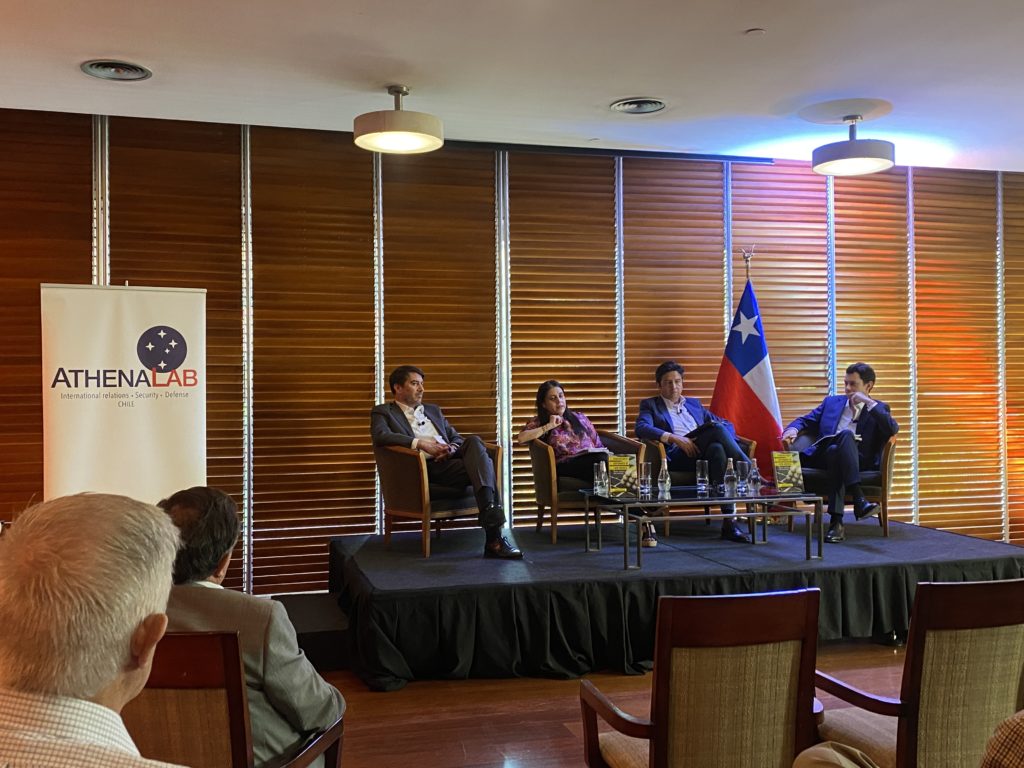
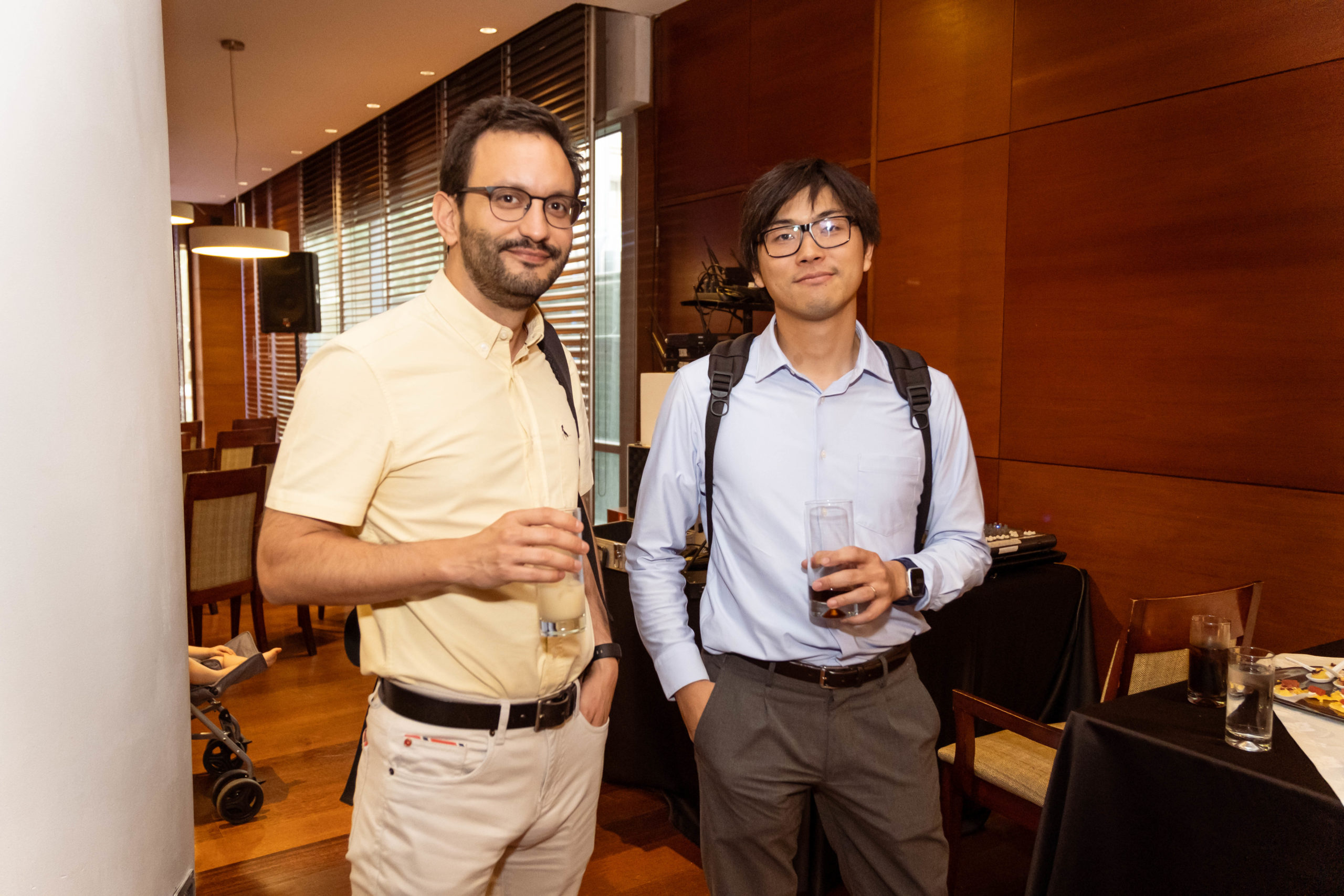
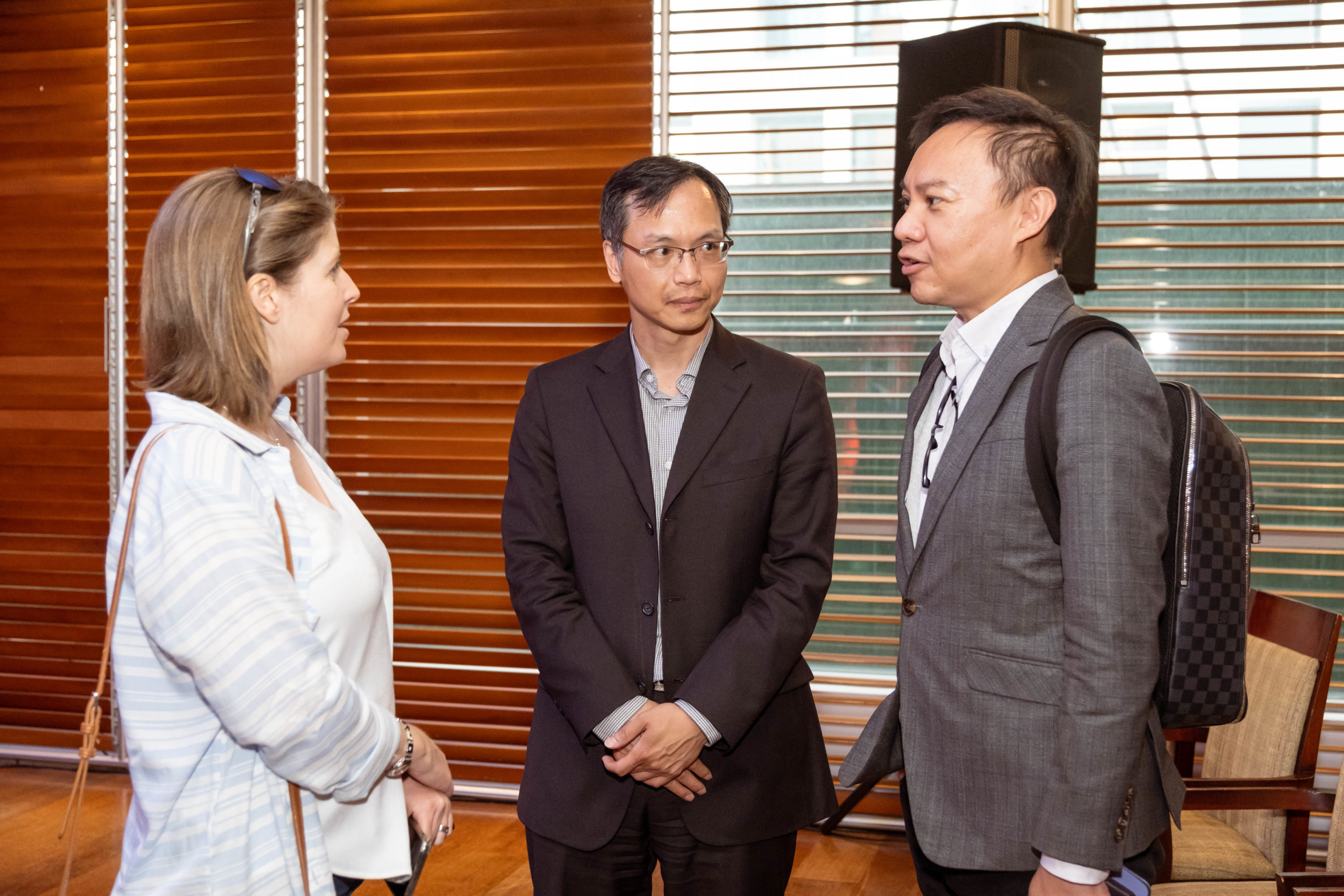
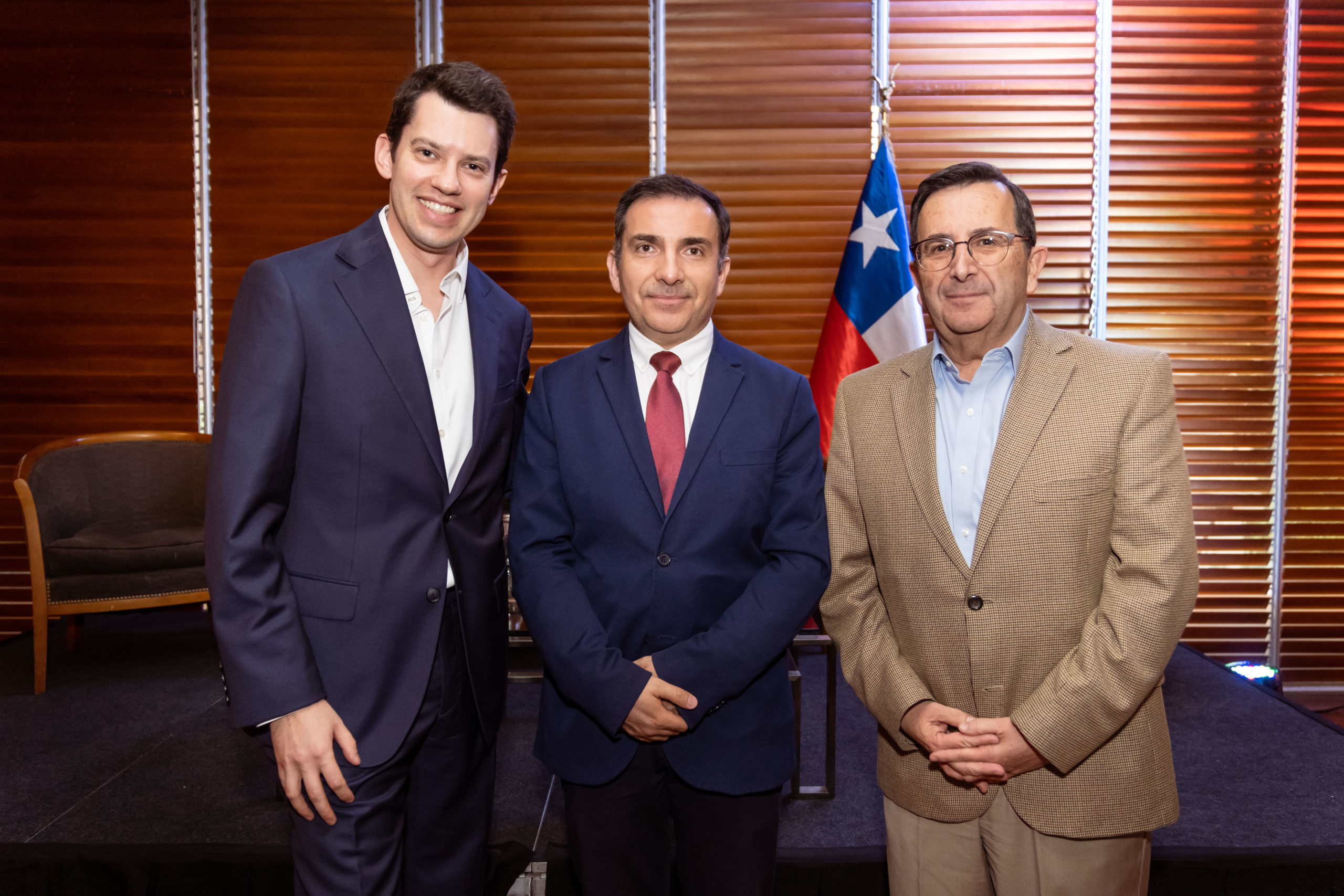
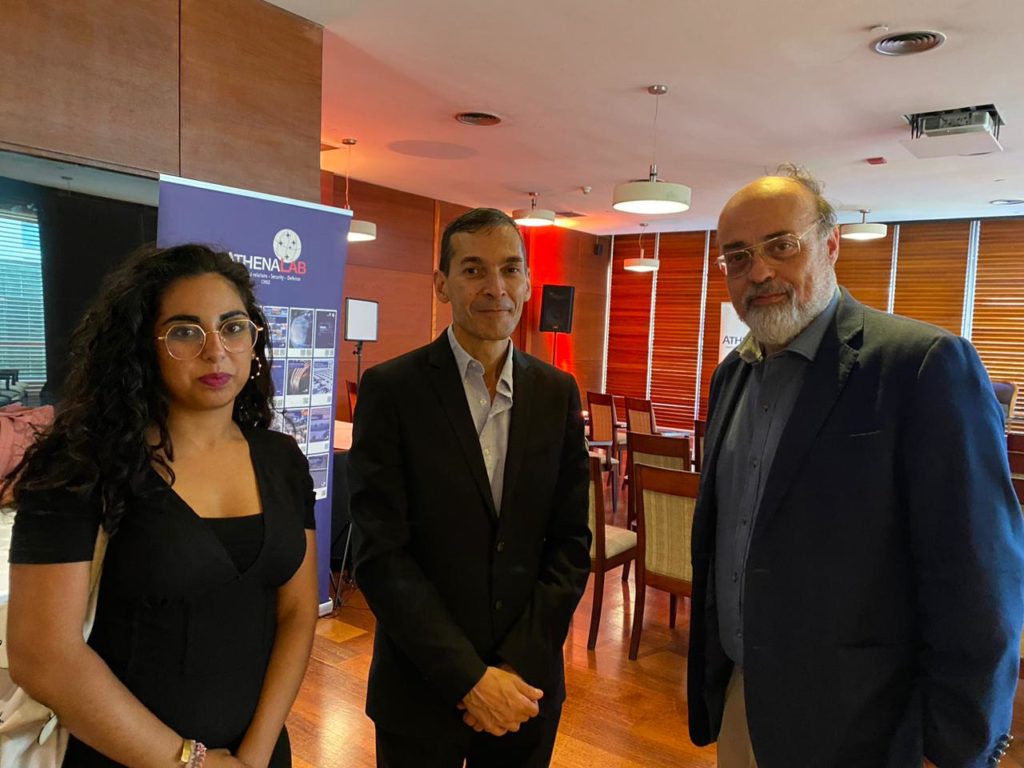
The launch, held on Thursday, December 15, at Club 50, featured a distinguished audience of professionals linked to the field of cybersecurity from the diplomatic, academic, and military worlds. The forum was moderated by the executive director of AthenaLab, Juan Pablo Toro.












In this regard, check out the webinar we held with the author of the book, where he discusses the challenge of cybersecurity in Chile and previews his book “Cybersecurity Governance in Latin America”: