DT22 | The Illegal Economy of Fish Theft: Another Lucrative Business for Organized Crime in Chile
This article was translated automatically and may contain differences from the original. For reference, read the original.
- by Pilar Lizana
- Research & Data
Similar to the illicit economies of copper and timber (documents No. 17 and No. 20), insufficient oversight and traceability issues have contributed to creating a favorable context for the development of the illegal fish business, in addition to institutional weakness as the main catalyst.
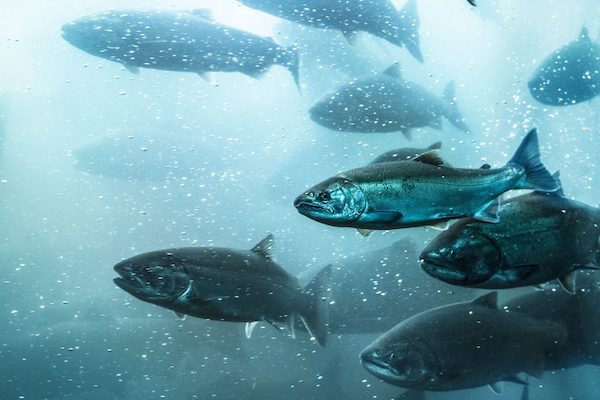
The illegal economy surrounding fish extends throughout the territory and has become the third illicit market impacting national development. Various species are involved in this business, and the criminal gangs engaged in it are becoming increasingly organized. However, this report will specifically review the cases of hake and salmon, particularly the situation in southern Chile.
Similar to the illicit economies of copper and timber, insufficient oversight and traceability issues have contributed to creating a favorable context for the development of the illegal fish business. Additionally, institutional weakness serves as the main catalyst, facilitating criminal operations.
Common patterns in the illicit businesses of fish, timber, and copper reveal the advancement of criminal groups with clear characteristics of organized crime, significantly impacting the main productive sectors of the country. Furthermore, they demonstrate the urgent need to strengthen the rule of law and the regulatory actions of state institutions as some of the most pressing measures.
In this sense, this research concludes the study of illegal economies in Chile conducted by AthenaLab. It is the fourth working document in the series and aims to analyze and understand the illicit fish economy, which, along with the theoretical framework presented in the first document, copper and timber, highlights Chile’s weaknesses against organized crime and the need for inter-agency collaboration derived from a holistic strategy to combat the problem.
The following research was developed using information available in institutional reports, media, and interviews with relevant stakeholders associated with this issue. Some of them requested to remain anonymous.