STUDY | 4th Survey of Perceptions on Foreign Policy and Security AthenaLab-IPSOS
This article was translated automatically and may contain differences from the original. For reference, read the original.
- por AthenaLab
- Investigación y datos
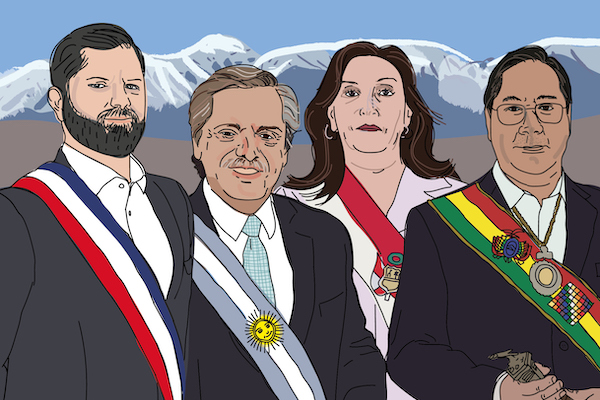
The novelty of this survey lies in the decision to consult our neighbors in Argentina, Bolivia, and Peru regarding their foreign policy objectives, the concerns that affect them, and how they perceive different nations.
Our fourth survey on Foreign Policy and National Security, conducted in collaboration with Ipsos, confirms the concerns of Chileans regarding drug trafficking and irregular immigration, transnational phenomena that exploit the porosity of extensive borders and fuel the security crisis facing the country.
Several of these issues, which now seem to have erupted collectively, were early identified by AthenaLab with concrete proposals regarding border security, reform of the intelligence system, and promotion of inter-agency collaboration to dismantle criminal economies.
The novelty of this survey lies in the decision to consult our neighbors in Argentina, Bolivia, and Peru regarding their foreign policy objectives, the concerns that affect them, and how they perceive different nations. To this end, Ipsos, a company with international representation, utilized its established panels in these countries to survey them with the same questions posed in Chile.
At first glance, there is a concern about the threat posed by drug trafficking and a demand for governments to prioritize the fight against this crime. However, this is where the similarities end, as will be detailed later.
Despite sharing a common space in South America, we do not view the world in the same way, nor do we assign equal importance to the threats and opportunities it presents.
We believe that these comparisons can serve as input to explore possibilities for integration and identify the divergences that are characteristic of our societies.
Given the limited existence of regional instruments that measure various public opinions on specific issues of foreign policy and national security, we hope that this initial approach will contribute and stimulate further research in the field, as well as foster greater understanding among countries.
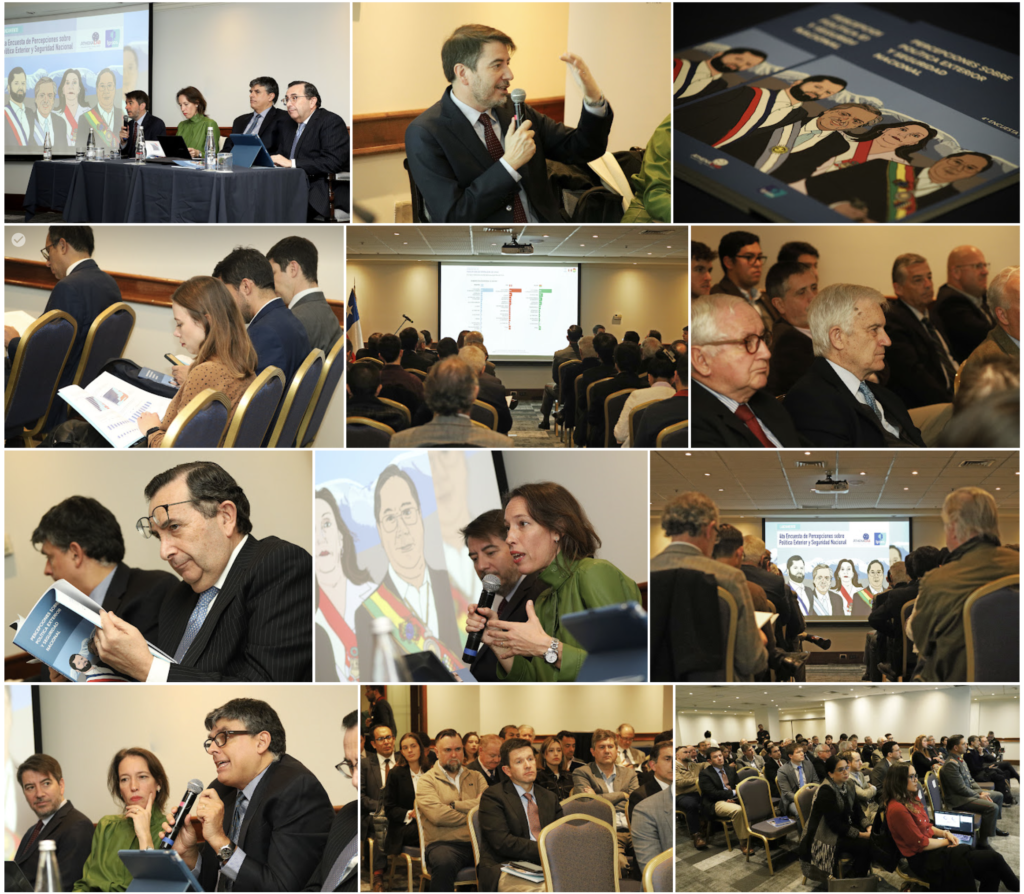
Launch images