ANALYSIS | Six Notes on the Destruction of the Kajovka Dam
This article was translated automatically and may contain differences from the original. For reference, read the original.
CONTEXT In the context of Russia’s illegal and unprovoked military aggression against Ukraine, this week the partial destruction of the Nova Kajovka dam on the Dnieper River was reported. While both sides blame each other for the attack, Moscow’s claim of Ukrainian self-sabotage contrasts with a history of Russian attacks on critical infrastructure in the invaded country, which includes power plants and nuclear facilities. This is all part of the Russian Army’s “scorched earth” tactic, which does not discriminate between civilian and military targets, as observed in recent campaigns in Syria and Chechnya.
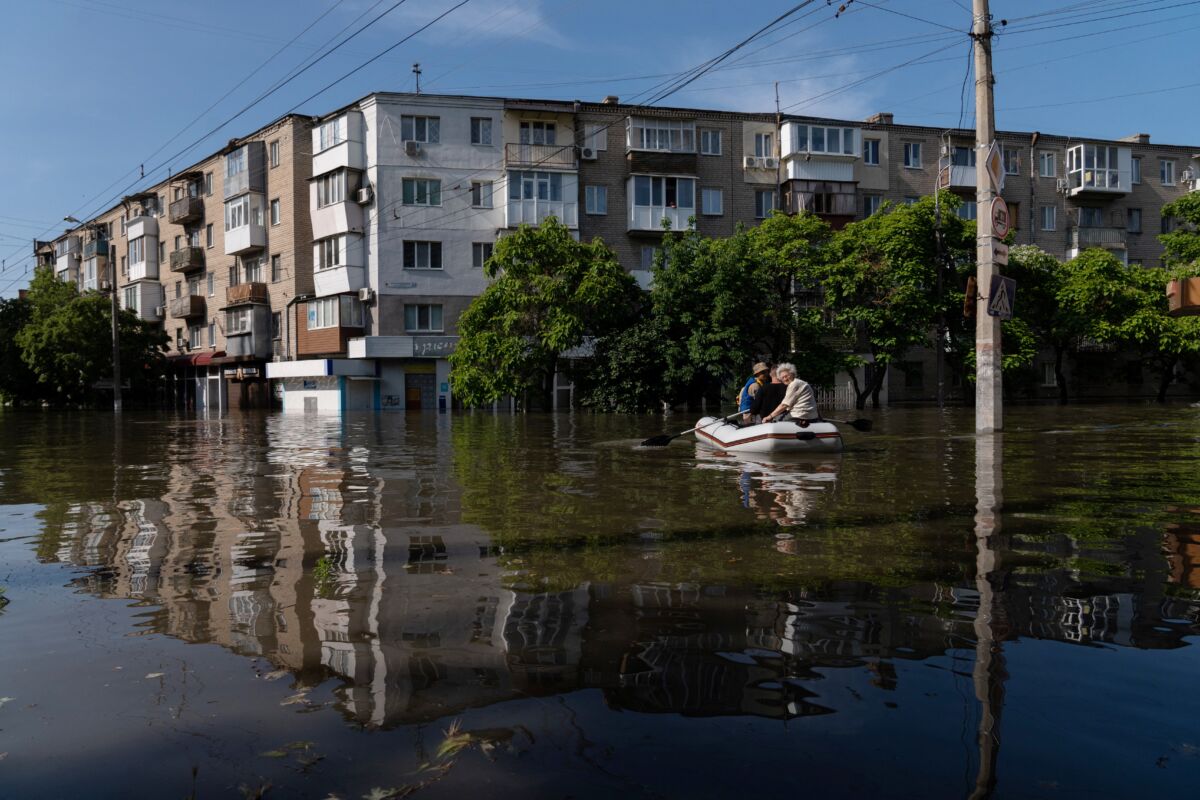
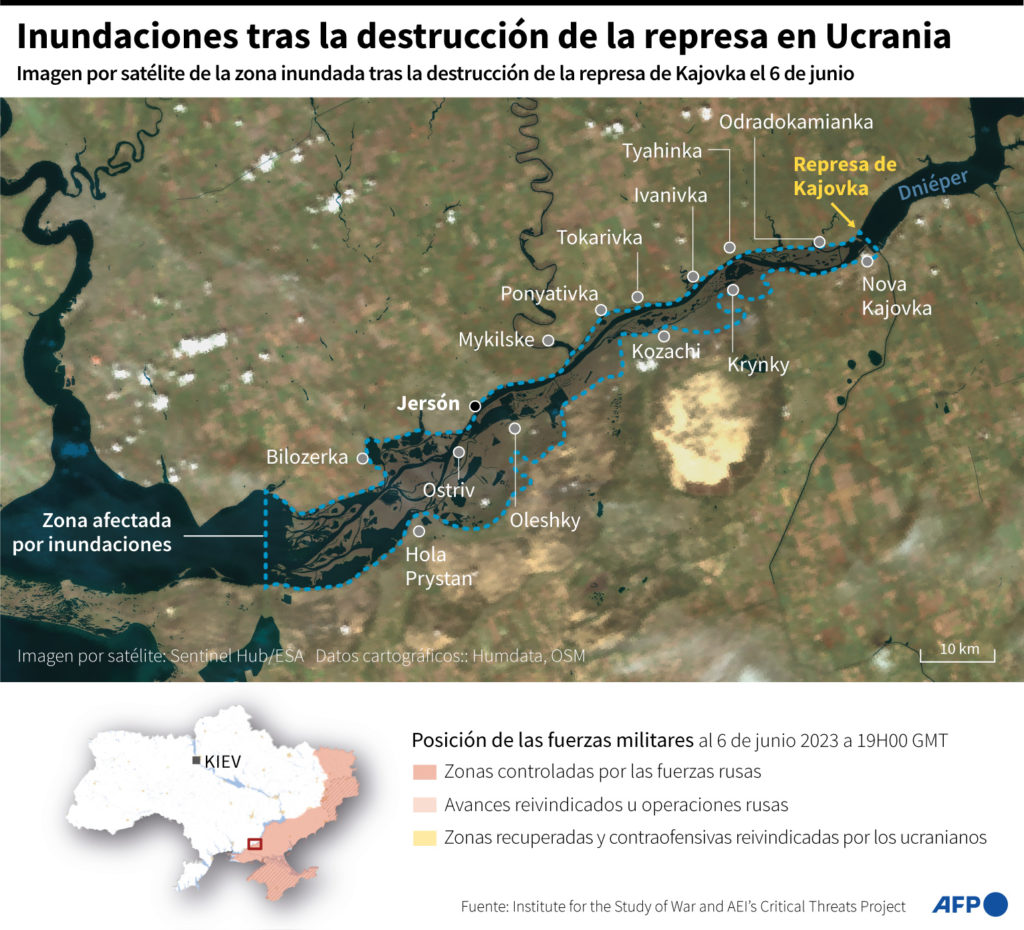
CIVILIAN EFFECTSAlong the 60 kilometers of flooded areas, approximately 40,000 people are being evacuated, according to Ukrainian authorities, and while there are currently no reports of fatalities, the destruction of homes and property is substantial. There are also warnings of hundreds of thousands of hectares of agricultural production that will be affected in terms of their irrigation sources, as well as interruptions in the supply of drinking water for some populations. Furthermore, if the levels of the dam continue to drop, the necessary supply for cooling the reactors at the Zaporiyia nuclear plant could be compromised. From the Russian side, there are warnings of possible effects on access to drinking water for the annexed Crimean Peninsula.
MILITARY EFFECTS As Ukraine’s northern spring offensive began to show its first signs with military operations in the southeastern flank, it is already estimated that the flooding will delay or complicate, but not stop, future actions. In particular, river landings will be complicated, as the Dnieper has become a de facto border for the warring forces. The dam itself was one of the few crossings available between both banks. Additionally, it is evident that the situation will also affect Russian positions along the river.

INTERNATIONAL LAW Is it permissible to attack a dam from the perspective of International Humanitarian Law? Article 56 of Additional Protocol I (1977) of the Geneva Convention, which seeks to reduce the impacts of conflicts, states that works or installations containing “dangerous forces, such as dikes, dams, and nuclear power plants” should not be attacked, even if they are considered military objectives, because the release of such “forces” will cause greater harm to the affected population.
However, just as the above establishes responsibilities for attackers in an armed conflict, there are also responsibilities for defenders. The article mentions exceptions, such as when the facilities are not being used for their intended purpose, are being employed as bases, or their control is essential and necessary to achieve purely military objectives, transforming them into military targets. These represent exceptions that could be argued by an attacker. Nevertheless, none appear to fit the case of what occurred in Nova Kajovka.
MILITARY OBJECTIVE This leads us to ask, what is or is not a military objective? Article 52 of Additional Protocol I of the Geneva Conventions states that a military objective is “those objects which by their nature, location, purpose, or use contribute effectively to military action or whose total or partial destruction, capture, or neutralization offers a defined military advantage under the circumstances of the case.” Now, would any tactical gain justify the designation of a military objective? Certainly not. Just as the presence of civilians does not inhibit the use of lethal force (e.g., a munitions factory operated by civilians contributing to the war effort), the determination of a military objective is based on the importance and benefit that its control or destruction provides to the adversary. Consequently, if such a relationship is not evident or is weak and the suffering of civilians is disproportionate — as seems to be the case — it is not possible to establish or demonstrate the existence of a necessity to damage it. Thus, the supposed contribution that such assets represent for military actions and the advantages they could offer must clearly justify the impact on civilians. Otherwise, their execution becomes illegal and illegitimate.
HISTORICAL ATTACKS During World War II, the Allies attacked dams both to deprive the German military industry of electricity, such as the British bombings over the Ruhr River, and to halt the advance of the Nazis in Ukraine, as seen in the blowing up of Dneprostroi by the Soviets on the Dnieper.
In the context of the wars in the Balkans, Serbian troops attempted to blow up the Peruca dam in 1993, but a swift counterattack by Croatian forces prevented them from achieving their objective, along with the decisive intervention of a British officer assigned to the United Nations.
AthenaLab Team
June 8, 2023