The Diplomatic Silence of Petro: A Year Without an Ambassador in Chile
This article was translated automatically and may contain differences from the original. For reference, read the original.
- by Hatem Dasuky
- Strategic Affairs
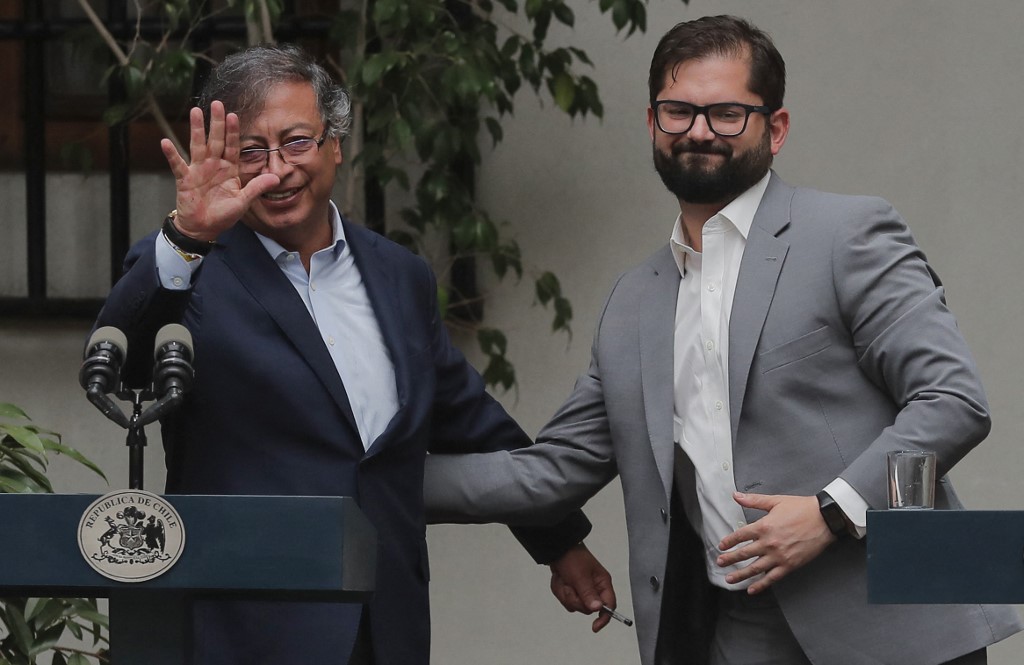
Since August 5, 2022, there has been no permanent Colombian Ambassador in Chile. Since then, three Chargés d’Affaires have served. Ad Interim.
At the recently concluded South American Summit in Brasília, there was no sight of the selfie of Chilean President Gabriel Boric with his Colombian counterpart Gustavo Petro making a heart with their hands, nor was there even a photograph of a handshake between them, while Petro’s greeting to Venezuelan leader Nicolás Maduro featured broad, satisfied smiles.
Sources from both Foreign Ministries, San Carlos and José Miguel Carrera, suggest some “distancing” between Petro and Boric, apparently generated by the Colombian’s rapprochement with Maduro, while the Chilean president has condemned the systematic violation of human rights in Venezuela.
Another event that generated speculation everywhere occurred when Petro, during an official visit to Chile on January 8, abruptly left a reception at La Moneda, canceling the agenda for the following day and returning to Colombia. The explanation that “the president traveled to address a landslide in the Department of Cauca” was not entirely credible to those present at the reception.
The question echoing in the halls of the Chilean Foreign Ministry is: Why, a year after taking office, has Petro still not appointed his representative in Chile? The current Colombian president was even invited by Boric to his inauguration when he was just a senator, which suggested a good relationship between the leftist leaders.
On February 10, the Colombian government appointed former Cauca governor Temístocles Ortega as ambassador to Chile through Decree 0153, but days later he was accused by the Prosecutor’s Office of corruption, preventing him from taking office.
Since then, there has been absolute silence regarding who could be Petro’s first ambassador to Boric, and so far, there is not even a name mentioned as speculation.
The Chilean Foreign Ministry is closely observing the diplomatic encounters between Colombia and Venezuela, as well as the recent scandals surrounding Petro’s inner circle amid “chuzadas” (wiretaps), setups, persecutions, and the influx of funds allegedly of illicit origin into the campaign, as confessed by his own son Nicolás Petro, who is currently imprisoned.
In diplomacy, signals are very important, and silence is a very powerful one.
The opinions expressed in this article are those of the author and do not necessarily reflect the views of AthenaLab.