DE2 | Taiwan: between the "Silicon Shield" and the bolstered defense. A case of global security
This article was translated automatically and may contain differences from the original. For reference, read the original.
- by Juan Pablo Toro
- Research & Data
A Y-8 transport aircraft disappears over the Taiwan Strait, providing the perfect excuse for the Chinese Navy to block the waters around the island in order to conduct a search and rescue mission. Ten days later, war. Beijing launches cyberattacks that paralyze the financial system, the internet, and the power grid.
Suddenly released prisoners from Taiwanese jails by corrupt officials become militia members supporting unification. Leaders of state powers become high-value targets. While hundreds of thousands decide to flee from imminent armed clashes, many others are recruited or volunteer to join the defense of their homeland.
This is the nightmare scenario described in the 17-minute trailer for “Zero Day,” a 10-episode television series set to premiere next year in Taiwan. It has been praised for its realism but also criticized for creating alarm among the population. Its creators have stated that the aim is to show the audience that the possibility of war is real, despite the daily hustle and bustle in Taipei, where millions are focused on their jobs, enjoying street food, or shopping for the latest fashion, like any capital in East Asia.
If there is a place where the Chinese Communist Party could employ all the military power accumulated over decades, it is Taiwan. This is in order to absorb once and for all the “renegade province” and thus achieve the total unification of the country, one of the priorities set by President Xi Jinping, whose government faces no time limits or internal political constraints for decision-making.
However, Taiwanese authorities are aware of this, publicly debate it, and are preparing accordingly.
This marks a diametrically opposed change from the atmosphere that prevailed 15 years ago, when official speeches emphasized trade exchange and the flow of tourists between both sides of the strait.
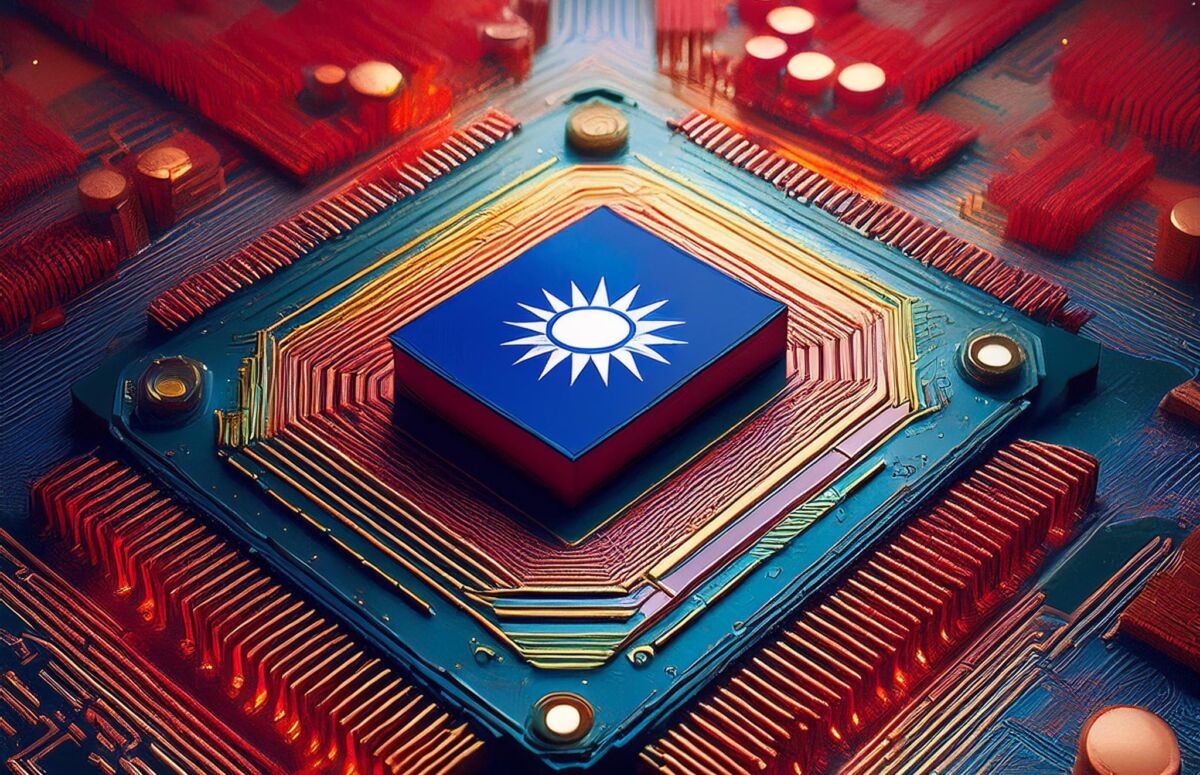
It is said that the first step in attempting to solve a problem is to admit it. And that is what Taiwan is doing, openly informing the world about the constant bullying it suffers from a greater adversary, which includes both ongoing military exercises at maritime and aerial boundaries and dark media campaigns to divide the local population. But this does not stop at mere denunciation. Today, the island also wants to explain to the world why a significant part of global security depends on its own security: its nearly 24 million inhabitants produce 67% of the semiconductors found in almost any electronic product, and its location as a hub of three straits is key for maritime routes connecting global markets with East Asia.