Trends in the Black Sea: Strong Currents, Strategic Depth, and High Tide
This article was translated automatically and may contain differences from the original. For reference, read the original.
- by Hanna Shelest & Sergiy Gerasymchuk
- Noticias
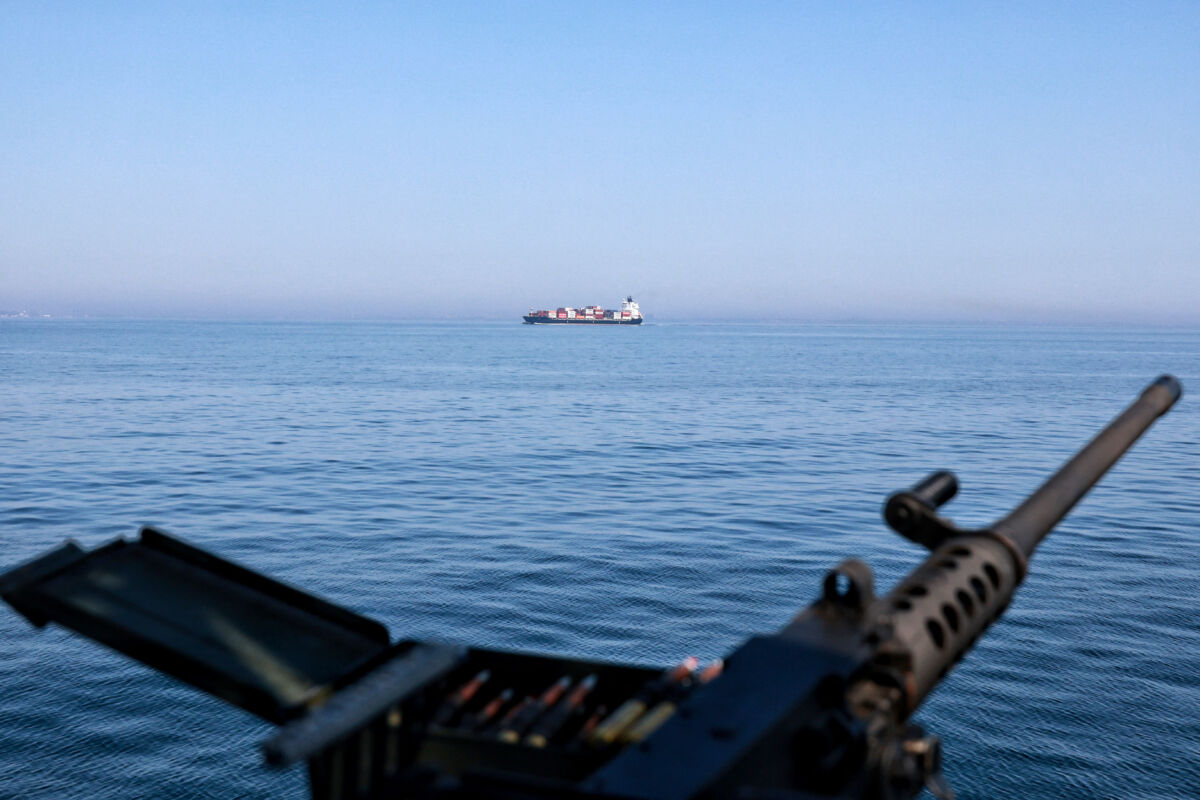
While the outcome of the war between Russia and Ukraine is considered a key factor that may influence the future development of the Black Sea region, several trends are observed, such as regional fragmentation, internal political polarization, and increasing ambitions of the EU.
The trends are based on both intra-state factors and a broader regional context. Trends formed under the influence of critical factors lay the groundwork for the development of scenarios at the level of individual states and interstate relations (trend-impact effect). Identifying the cross-impact effect provides opportunities for scenario development for the region as a whole.
At the same time, avoiding the methodological trap of constructing a positive, negative, and neutral scenario (where the researcher’s biased opinion determines the definition of positive and negative scenarios, and in constructing a scenario, all positive factors are included only in the positive scenario, and all negatives only in the negative, leading to a distortion of the assessment), this study is based on an assessment of the height and frequency of fluctuations in the system and will be divided into three categories:
- A scenario of a stable Black Sea region, where fluctuations caused by factors and trends at the national and regional levels do not lead to a system imbalance.
- A scenario of an orbitally stable Black Sea region, in which individual trends will create significant deviations from the system relative to the norm, but will remain within certain limits.
- The scenario is an unbalanced Black Sea region, where fluctuations caused by critical factors and trends will create an unstable region with an uncertain vector of situation development.
To this end, experts assessed the limits of the orbital stability of the system, identifying which fluctuations appear permissible, albeit undesirable, from the perspective of the involved actors. The next step was to identify the factors and trends whose implementation will provoke fluctuations of the system within the determined limits of orbital stability or exceed them.
The verification of the hypothesis was conducted through various interviews and semi-structured surveys of experts, with representatives from regional states, as well as from the United Kingdom and the United States. These interviews and surveys are not representative but illustrative and indicative, and are used cumulatively, anonymously, and without citation, so they are considered more of a brainstorming exercise than a sociological verification. The research was conducted between April and May 2025.
MAIN TRENDS
Strategic Depth: Intra-State Trends
The current situation in the Greater Black Sea region is severely fragmented, as internal trends and policies of each country dominate the regional dynamics. Despite the overwhelming effect of the war between Russia and Ukraine and its significant influence on regional processes since 2014, the intra-state trends themselves define a strategic depth. Some trends are similar across several states and reflect global trends, while others are state-specific, although they have a regional impact.
The dichotomy between democratic aspirations and authoritarian backsliding has shaken the region in some states, demonstrating citizens’ desire to move towards greater integration with the European Union, accompanied by a pursuit of European democratic values and norms. Simultaneously, support for opposing stances is growing. This dichotomous challenge is exacerbated by two consequences: European integration versus Euroscepticism and right-wing populism versus stable democracy.
For Ukraine, EU membership is a strategic goal enshrined in the Ukrainian Constitution. In Georgia, over 80% of the population leans towards a pro-European path. In the Republic of Moldova, in the 2024 referendum, 50.35% voted in favor of greater integration with the EU, and corresponding amendments were included in the Constitution. Armenia has also shown significant progress in EU-related reform processes in recent months.
However, some national leaders and parties are backsliding on democracy or exploiting populist sentiment. For example, the Georgian government halted EU accession efforts until 2028, despite prevalent public support for the bloc. Russian-style “foreign agent” laws limit the capacity of change agents and those supporting European integration. The prevalence of the pro-European agenda is not irreversible in the Republic of Moldova: war fatigue (Russia-Ukraine) and socioeconomic frustrations caused by pressure from Russian energy supply are driving support for pro-Russian or anti-system forces, even under the guise of pro-European rhetoric.
Eurosceptic parties have gained a foothold in politics, a phenomenon that was virtually unheard of a few years ago but has now become a dominant trend in parliamentary politics in Bulgaria, Georgia, and Romania. The risks of these changes persist in Armenia in the 2026 elections. The risk of early elections in Bulgaria and Romania could accentuate this trend.
The rising populism in countries like Georgia and Romania, as well as its potential rise to power in Bulgaria, became a feature of politics in 2024-2025. These populists capitalize on war fatigue from the Russia-Ukraine conflict and economic hardships, relying on anti-Ukrainian or anti-European narratives.
The political situation in Turkey is becoming destabilized again. Despite President Recep Tayyip Erdoğan’s statements that he would not run for a new term, the detentions of opposition representatives, including the main rival—the mayor of Istanbul—are a sign of the continued deterioration of the political situation, which may jeopardize the country’s political stability ahead of upcoming elections and be exploited by malign external influences. The country remains polarized, and Erdoğan’s continued hold on power is not guaranteed in the long term. Any significant change, such as an opposition victory or internal instability, could alter Turkey’s foreign policy orientation overnight. The ongoing democratic backsliding, rising authoritarianism, and pressure from the opposition have also become characteristics of Azerbaijan.
The vast majority of experts consider the political environment in their home countries to be fragile, with most describing it as “somewhat unstable” or “very unstable.”
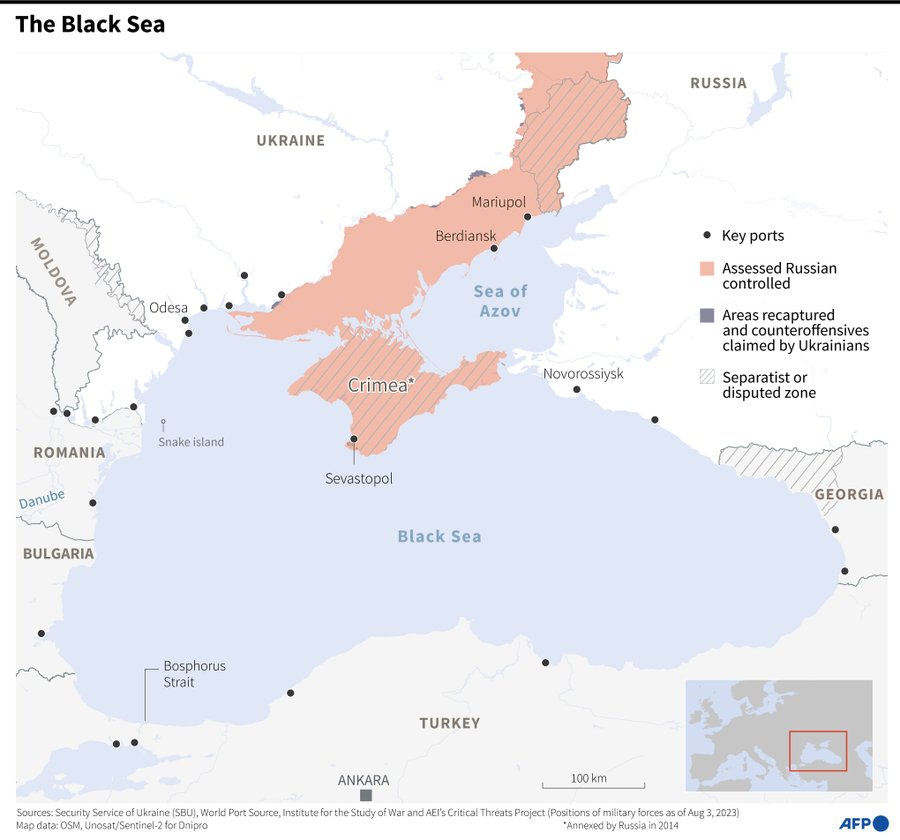
The region’s economy has been affected by the disruptions of the Russia-Ukraine war . Traditional trade routes have been limited, if not destroyed. Moldova, a landlocked country that historically relied on Ukrainian Black Sea ports, lost access to its main export routes through the Ukrainian ports of Odesa and Chornomorsk when the war broke out and had to divert its goods through the overloaded and more expensive Romanian port of Constanța. Ukrainian grain exports faced enormous challenges that affected global food security. The grain agreement negotiated in 2022 and broken a year later by Russia provided temporary relief. The new navigation route through the territorial waters of the riparian states, executed to unblock some Ukrainian ports, as well as the construction of new terminals on the Danube, demonstrated the fragility of existing maritime regimes in the Black Sea and the dependence of riparian states on maritime export, highlighting the limits of port capacity (for example, the Romanian port of Constanța). The issue of sustainable maritime trade will remain crucial and will require updated regulations when the post-war regime in the Black Sea emerges.
In some cases, the war had the opposite effect. Georgia gained a short-term benefit from the provisional land trade flow through the Middle Corridor. However, the provisional decisions lacked sustainability and, consequently, strategic investments. Potential Chinese investment in the development of the megaproject at the Anaklia port is considered controversial and risky for national security reasons. This could influence Georgia’s negotiations with the EU and relations with the U.S., and provide China with the capacity and opportunity to control a very important trade route between Europe and Asia.
Needless to say, Ukraine’s economy has been devastated by the large-scale invasion: GDP fell by about 30% in 2022, and while some recovery is expected, it operates well below its pre-war capacity.
While Romania and Bulgaria’s EU membership provided some economic stability and growth, the respective growth of Georgia and Armenia is often the result of deeper trade relations with Russia. This is not a systemic effect, but rather a conjunctural effect, which limits the risks of excessive dependence on Moscow.
The eastern EU members (Bulgaria, Romania) coordinate under EU structures, while the Caucasus states form ad hoc alliances (for example, the alliance between Azerbaijan and Turkey, Georgia’s separate agreements with China or the EU). One consideration regarding the impact on trends is that if the end of the war allows for new multilateral initiatives (perhaps a fund for development and reconstruction of the Black Sea or a security community), it could boost prosperity; if fragmentation persists, countries will develop unevenly and remain vulnerable to external manipulation through bilateral agreements.
Energy security and diversification remain crucial challenges for the region. Many Black Sea states historically depended on Russian energy; Russia’s use of the “energy war” (supply cuts, price manipulation) has forced diversification. While for Romania and Azerbaijan this did not pose a significant challenge due to their own energy production and the prospects of the offshore “Neptun Deep” field, Bulgaria and the Republic of Moldova have faced the need for significant changes in supply, which has had negative socioeconomic implications (particularly in the case of the Republic of Moldova, where growth is anemic, with a forecast of around 1%).
Russia is the main destabilizing force in the region, in addition to being a long-term regional power. Russia’s large-scale invasion of Ukraine in 2022 shattered regional security agreements and marked the culmination of its revisionist agenda in the post-Soviet space. If Russia prevails in its war with Ukraine, it will drive its increasing assertiveness in the region. However, even failure in Ukraine could spur Russian efforts to regain control in the countries of the region. It continues to occupy Ukrainian, Georgian, and Moldovan territories in violation of international law, and may use tools such as “peacekeeping forces” (for example, in Transnistria or until 2023 in Karabakh) or new bases in occupied Abkhazia to pressure neighboring states.
A striking aspect of the Black Sea economic landscape is the absence of efficient frameworks for regional economic cooperation. The Black Sea Economic Cooperation Organization (BSEC) exists but is politically impotent. The war between Russia and Ukraine also highlighted the limitations and ineffectiveness of the BSEC, which proved unable to mediate or play a significant role in preventing the blockade of Ukrainian ports and ensuring the security of commercial navigation and port activities.
Strong Currents: Trends That May Have a Transformative Effect
The dominant threat to regional stability is the continuation of Russia’s war in Ukraine, which may take various forms: either the intensification of military activities with a new offensive operation or an attempt to freeze hostilities, which will likely lead to a new stage of attrition rather than the Transnistrian variant of a frozen conflict. A prolonged stalemate in Ukraine keeps the entire region in a state of deadlock: normal economic development is impossible under high security uncertainty, and all neighboring states remain alert to the consequences. Even more alarming is the prospect of escalation of the war beyond Ukraine: for example, a direct Russian attack on NATO territory in the Black Sea region or the destabilization of the so-called “Moldovan Republic of Transnistria,” where Russian forces are still illegally present, or the autonomous Gagauz region, where pro-Russian sentiments are strong.
However, on the other hand, so far the war has had negative consequences for Kremlin influence: Russia is militarily weakened and economically sanctioned, which has already led to changes in the security architecture of the region. Russia’s traditional role as a guarantor of security in Armenia is in doubt: Armenian leaders openly question Moscow’s reliability after its failure to prevent Azerbaijan’s advances in 2023 and take measures to render the Collective Security Treaty Organization ineffective.
A sudden collapse or democratization in Moscow would be a game changer (eliminating the main military threat), while a hardened or revanchist regime (especially if bolstered by an approach to a future isolationist U.S. administration) could double down on its aggressive tactics.
Turkey is a pillar of regional security, but also a regional power with its own agenda. Under President Recep Tayyip Erdoğan, Turkey has sought a balance: maintaining dialogue with Russia (for economic and strategic reasons) while simultaneously supporting Ukraine (for example, supplying drones, adhering to the Montreux Convention to limit Russian warships, and negotiating the grain export agreement). Its influence is particularly notable in the South Caucasus: the alliance between Turkey and Azerbaijan is fundamental to the post-2020 Caucasus order, to the extent that Ankara’s support was decisive in Azerbaijan’s victory in Nagorno-Karabakh.
However, Turkey’s role can be double-edged. On one hand, it helps contain Russia, for example, through the strict enforcement of the Montreux Convention, which limits Russian naval reinforcement in the Black Sea during the war against Ukraine. Turkish naval and air power also helps monitor the Black Sea, and Ankara has proposed regional security initiatives. On the other hand, Turkey’s internal politics are volatile. In 2024, the possibility of Turkey joining BRICS became a prospect that could make a difference, considering Turkey’s NATO membership. At the same time, Turkish experts noted that Erdoğan’s proposals to join BRICS could serve to gain influence in Turkey’s EU candidacy.
The withdrawal of Russian forces from Syria had a significant effect on Turkey’s strategy for security in the Black Sea and the Russia-Ukraine war, as the Russian presence and support for the other side in the Syrian conflict have significantly deterred Ankara. A significant decrease in the threat on the Syrian-Turkish border (southern theater) allows Turkey to play a more agile role in the Black Sea (northern theater). Still, there is a trend for Turkey to reorient its priorities towards the Middle East, with lower ambitions for leadership in the Black Sea region. Essentially, Turkey is a crucial stabilizer in some scenarios and an unpredictable factor in others.
Expanded conflict scenarios also include a resumption of the war between Armenia and Azerbaijan or a conflict between Azerbaijan and Iran. Even a localized war (such as fighting in the Caucasus) can destabilize the region through the flow of refugees and the disruption of energy and trade routes. Incidents on the border between Georgia and Russia or on the contact line with separatist regions are expected to keep the Georgian government practically neutral, preventing a shift towards a more pro-Ukrainian stance. At the same time, the deterioration of Russian-Georgian relations due to border incidents may have the opposite effect, as the Georgian government could revert to a Western alliance and adopt a pro-European stance in search of security support.
Another destabilizing trend would be a significant withdrawal of Western powers (U.S./EU) from their support for the security and integration of the region. There are multiple potential factors: war fatigue among Western public opinion, changes in government (for example, a U.S. administration less favorable to Ukraine or European governments with pro-Russian inclinations). The predominance of populists, accompanied by the withdrawal of Western countries, would multiply the effect. At the same time, a reduction in Western economic support—such as less aid to Ukrainian refugees or reconstruction, reduced EU budgets for enlargement and defense—could cause economic difficulties that populists would exploit, potentially bringing pro-Russian parties to power in vulnerable democracies. Sovereigntist movements in EU countries like Bulgaria and Romania will gain momentum and could strengthen the trend within the EU (already highlighted by electoral results in Germany) and the emerging authoritarian regimes in Hungary and Slovakia.
The militarization of the region and the securitization of other spheres (such as trade, navigation, and food security) have already significantly influenced the situation and dynamics of relations in the region, with indirect effects far beyond the Black Sea. In this regard, there are two important trend factors to follow. First, the development of a naval strategy and the priorities of the riparian states. The choice between building classic naval platforms and expanding the fleet of marine drones, following Ukraine’s example in asymmetric warfare in the Black Sea. The second factor is Turkey’s stance on the enforcement of the Montreux Convention in the event of a possible ceasefire between Ukraine and Russia. The decision to resume the Russian navy’s ability to cross the Bosporus could have a drastic effect, with more warships entering the Black Sea, compensating for losses caused by Ukrainian attacks and increasing Russian power projection in the maritime domain. At the same time, it could result in Ukraine’s demand to bring to Black Sea ports the ships received from the United Kingdom and the Netherlands, currently stationed there.
Economic instability can quickly translate into political and security instability ; a trend to consider is the possibility of severe economic recessions or financial crises in one or more states. A sudden economic crisis could fuel protests and overthrow governments, paving the way for anti-democratic forces. It may also lead, in the case of Turkey, to its withdrawal from major political negotiations.
Finally, we consider trends that, while not necessarily driven by state policies, can be destabilizing. These include cyberattacks (Russia has conducted a cyber war against Ukraine and could target the energy networks or financial systems of neighboring countries, Iran has actively participated in its cyber operations, and China is also a potentially disruptive actor), disinformation campaigns, including those generated by AI tools, and pandemics or natural disasters.
The cross-impact effect could manifest when military escalation inevitably leads to economic crises. A political turn towards authoritarianism in one state could exacerbate unresolved or stagnant conflicts. The challenges in the Black Sea region are interdependent and often amplify each other. A prolonged war implies lasting economic suffering, which increases support for populist and pro-Russian forces that would consequently undermine regional solidarity. In turn, the lack of solidarity may prolong the war and regional solidarity.
High Tide: The Impact of External Actors
The behavior of external actors obviously impacts the fate of the region. For the Black Sea region, this impact is controversial, as many of them may have an influence that, in the meantime, they do not execute. This situation is not new and exacerbates the dichotomy in regional affairs: the countries of the region (except Russia and Turkey) have consistently emphasized the need for greater involvement of external actors, while the EU, U.S., NATO, etc., have hesitated or been swept along, rising and falling. Nevertheless, their positions regarding regional affairs can have a significant impact even without adequate political engagement.
The European Union and the United States are considered the main external actors that can influence the situation in the Black Sea region. However, the question remains whether they can or will influence the current situation.
The EU’s influence in the Black Sea region is primarily political and economic. Through its enlargement and neighborhood policies, the EU has become a key external pillar for reforms. However, it has not become a key security actor for the region. This changed slightly with involvement in the war between Russia and Ukraine, but it remains the exception rather than the rule.
Bulgaria and Romania bring the physical presence of the EU to the western Black Sea coast. For countries like Ukraine, Moldova, and (likely) Georgia, the EU offers a pathway to membership that serves as a powerful engine for internal change. Since Russia invaded Ukraine, the EU has increased its commitment: it granted Ukraine and Moldova EU candidate status in 2022, deployed an EU observation mission on the Armenia-Azerbaijan border (EUMA) in 2023, and negotiated high-level talks between Baku and Yerevan. However, the EU also faces challenges in the region. Azerbaijan is less interested in political ties with Europe (focusing on selling energy on its own terms and engaging more with Asian countries). The Georgian government has openly rejected EU assistance and recommendations. At the same time, Armenia returned to integration dialogue, which abruptly ended in 2013.
The European Union is developing an updated strategy for the Black Sea, which could be presented as early as 2025. This document is expected to differ significantly from the Black Sea Synergy (2007 version and later), which considered the Black Sea region without the perspective of integrating it into the Union and without adequately addressing regional security concerns. However, it is still unclear which EU institution will be responsible for the final text: DG Near or the EEAS, as this could significantly influence its approach.
The United States has been the main provider of military aid to Ukraine and other countries in the region. U.S. diplomacy has also been actively involved in some matters related to the Black Sea: the U.S. helped mediate certain phases of the talks between Armenia and Azerbaijan and has expressed a long-term commitment to Black Sea security through initiatives such as the proposed Black Sea Security Act (2023), aimed at strengthening regional defense cooperation. However, regional observers note some ambivalence or uncertainty in Washington’s long-term vision for the Black Sea. This is due to the prolonged absence of coherent U.S. policies towards the region, its limited ambitions, and a preference for bilateral rather than regional approaches. Romania and Ukraine remain the main advocates for greater U.S. involvement, while the U.S. prioritizes its intervention through NATO mechanisms.
The United Kingdom, although no longer a member of the EU, has actively supported Black Sea security: it leads a NATO battle group in Romania and has deepened its bilateral ties with Ukraine since 2018 (naval training, anti-ship missiles, etc.). By becoming one of the leaders of the maritime capabilities coalition for Ukraine, London clearly defines its interests in the maritime domain of the Black Sea.
In the Black Sea region, the absence of NATO has always been evident. This was partly due to Turkey’s long-standing stance (in line with Russia’s) that riparian states should be responsible for regional security themselves, thus creating a Russian-Turkish military and security dominance in the region. Despite various attempts to include the Black Sea in the final declaration of the summit, it is still perceived as a neighboring zone rather than an integral operational theater. The adoption of a more coherent strategy and operational plans that include both the three riparian member states and Ukraine’s maritime capabilities could change the situation.
Essentially, the involvement of the United Kingdom and the United States acts as a shield (through NATO) and as diplomatic weight (ensuring that Russia cannot dictate outcomes). The degree to which these allies remain committed—or, conversely, disengage—will significantly determine the strategic environment.
China’s direct presence in the Black Sea region is currently modest but growing. Beijing’s interest is primarily focused on the economy, investing in infrastructure (ports, railways) and seeking access to European markets through its Belt and Road Initiative. In Georgia and Azerbaijan, Chinese companies are prominent investors (for example, China contributes to the financing of the Anaklia port in Georgia and other transit infrastructure). Politically, China has maintained a low profile; it does not explicitly engage in conflicts or alliances in the Black Sea, instead focusing on maintaining stable relations with all parties (including arms sales to some countries and investments in others). Still, its role is growing due to strong collaboration and assistance to Russia, as well as malign influence and interference.
Other external actors include Iran, which borders Azerbaijan and Armenia, but has also become one of Russia’s main military allies. Iran plays a complex role: it cooperates with Armenia (as a sanctioned state and to counter the Azerbaijan-Israel alliance) and maintains a conflict with Azerbaijan, as it views Baku’s close ties with Israel and its pan-Turkic ambitions as a security threat.
In summary, external actors provide both support and tension. Western intervention generally provides security guarantees and economic resources that reinforce the resilience of regional states, while Russian intervention (and, to some extent, Iranian) tends to exploit divisions and fuel conflicts. Turkey occupies a middle ground: a regional power whose decisions can reinforce a Western-led order or forge a more independent sphere of influence. The interaction between these external forces lays the groundwork for a more stable or more fragmented Black Sea region in the coming years.
SCENARIOS
“Dead Water Drift”: Scenario of a Stable Black Sea Region
The security environment in the Greater Black Sea region has changed significantly, and there is no possibility of returning to the pre-2014 status quo. The main threat to regional stability is the continuation or expansion of Russia’s war in Ukraine. However, even in the event of a ceasefire, regardless of its conditions and sustainability, the region will continue to present some turbulence.
A “normal” or stable situation in the Black Sea would mean that Ukraine and its allies could maintain control of the region, ensuring security and preventing any aggressive action. The balance of power and the return of the Black Sea as a “lake” for Russia and Turkey seems virtually impossible, even in the best-case scenario, as it will not be accepted by Ukraine or other NATO member states.
One possible scenario is entering a period of apparent calm. The most visible fighting could cease, but the underlying causes of the conflict will remain unresolved. The continuation of low-intensity fighting without a new assault attempt could also be an option in this scenario, as the region has already partially adapted to this modus operandi. However, true strategic progress will be hindered by hybrid threats, stagnant conflicts, and the persistent shadow of Russian influence.
Countries like Moldova and Ukraine will continue to seek EU integration, while Armenia pushes for democratic reforms. Still, all will be subjected to significant external pressure. The Georgian political crisis will ease with the current government’s decision to formally integrate into the EU. However, in this scenario, there will be no drastic internal political changes that would allow for the repeal of anti-democratic legislation or exert pressure against the opposition.
The EU will present a new strategy for the Black Sea that will focus primarily on the economic, social, and environmental agenda, enlargement policies, and common security concerns. However, it will lack the vision of the EU as a regional security actor, and the Black Sea will remain a peripheral/neighborhood territory rather than an integral part of the EU space.
The Middle Corridor may provide some relief and economic incentive; however, (considering that Moscow sees it as a direct threat to its strategic influence), Russia will attempt to sabotage it through indirect agents and disinformation. The Kremlin’s need to seek compensation for the failed Ukrainian offensive may translate into increased pressure on Georgia. The carrot-and-stick policy will likely be applied when the latter is secured through greater involvement in Russian trade flows, accompanied by the risks of economic dependence and political drift. Simultaneously, any attempt at economic diversification by Tbilisi could face increased Russian pressure, including the use of occupied territories for further destabilization of the country.
In such a scenario, Turkey will continue to grapple with its role as a regional stabilizer and its potential role as a saboteur, as its internal policies and external ambitions could become regional risks. Ankara and the EU will intensify dialogue on some issues of the regional and bilateral agenda, such as visa liberalization, evasion of sanctions against Russia, Syria, Israel-Gaza, and demining the Black Sea, thus sidestepping human rights and political freedoms.
The opening of the border between Turkey and Armenia, as well as between Armenia and Azerbaijan, could occur gradually, symbolizing the closure of the 2020 war chapter. In this scenario, Russia’s role in the Caucasus will diminish, especially regarding its influence over Armenia.
Potential destabilizers will affect the efficiency of the governments of the EU riparian states: Romania and Bulgaria. The need to balance social and security policies could generate social dissatisfaction, social unrest, and a growing anti-European sentiment (which will ultimately weaken the already fragile European influence in the region). Parliamentary polarization and government weakness could weaken NATO’s eastern flank or at least slow the evolution of security agreements in the region.
Among the new conditions are the creation of Ukraine’s unmanned naval fleet, the loss of the Russian Black Sea Fleet’s military dominance over most of the Black Sea area, and the gradual improvement of Russia’s anti-drone maritime capabilities. This could also include increased maritime cooperation between Romania, Bulgaria, and Turkey, based on the demining mission. Consequently, in this scenario, no additional disruptions in grain exports from Ukrainian ports are anticipated, with slow attempts to expand cargo types, including container transport.
The aforementioned circumstances will create prerequisites for regional turbulence, which will be an attribute of the new normal when the region is caught in uncertainty.
“Turbulent Waters”: Scenario of an Orbitally Stable Black Sea Region
This is a scenario of persistent friction and uneven turbulence. Given that security in the Black Sea has always been in constant flux, the tolerance for potential regional disturbances is quite high among regional actors.
While a large-scale war is avoided, the region is plagued by political instability, nationalist rhetoric, cross-border suspicions, and low-intensity confrontations.
The following is considered by the interviewed experts as “tolerable” for the overall stability of the region.
Short-term trade disruptions. This may involve both the continued closure of the border between Armenia and Azerbaijan, as well as between Armenia and Turkey, protests on the border between Ukraine and Romania (similar to Polish protests against the export of Ukrainian grain), and a temporary restriction of navigation due to military activities or demining.
Turkey’s decision to minimize illegal trade and avoid sanctions could influence current Turkish trade and economy, but is unlikely to have a serious destabilizing effect, as it is not a policy of adherence to anti-Russian sanctions. This factor could also include energy trade and transport, with energy shortages in Moldova or power outages in Ukraine as focal points.
Diplomatic tensions between states are almost normal in the region, which has experienced several stagnant conflicts for decades. Due to their potential weak points, tensions are to be expected between:
- Azerbaijan and Armenia in the conflict resolution process.
- Armenia and Russia due to Armenia’s European integration.
- Georgia and Ukraine, due to democratic backsliding and cooperation with Russia.
- Georgia and Russia, due to the construction of the naval base in Ochamchira, which occupied Abkhazia.
- Russia and Turkey due to the implementation of sanctions, Turkey’s support for NATO’s position, or statements regarding the status of Crimea.
- Moldova and Romania due to interference in internal politics, statements by nationalist politicians about the unification of the countries, etc.
Military exercises on the borders and minor military activities. Depending on the level of such exercises and their scenarios, they may generate additional tensions in bilateral relations, even with possible minor incidents. However, none of the states in the region are prepared for a major conflict, so in the event of such developments, maximum efforts will be made to reduce risks and tensions. The EU can play a mediating role, except in cases with Russian involvement. The mentioned military exercises may also include maritime exercises, where Russian-Turkish navies or coast guards may face each other. Violations of the airspace of riparian states, including NATO member states, should also be considered a possible development. Identity theft, interference, and other disruptions to navigation security may lead to diplomatic scandals and increased security measures, but will not escalate military risks to an unstable level.
The reaction against liberal democracy and Western influence is growing, amplified by populist leaders who channel war fatigue and economic grievances into Eurosceptic narratives with a contagion effect far beyond the Greater Black Sea region.
Some experts pointed to the possible scenario of Georgia’s isolation and its turn towards authoritarianism. While the probability may be considered high under current conditions, it will not have a significant regional impact. Georgia’s backsliding on democratic reforms could become irreversible, while the use of legislation as a weapon against civil society and the media could become a model and a regional trend, with another collateral effect that could extend to Moldova, where the political landscape is increasingly fragmented, with pro-European aspirations clashing with populist disillusionment.
The same effect could be relevant for Armenia. While attempting to normalize its diplomatic relations, the country is destabilized by unresolved border tensions and elite competition (particularly during the 2026 electoral campaign and, respectively, after the elections). The Zangezur Corridor remains blocked, symbolizing the deep distrust between Armenia and Azerbaijan.
Such circumstances will drive nationalist forces throughout the region, while external actors may interfere through information warfare. Meanwhile, polarization will paralyze governance. Any attempt to integrate or institutionalize new cooperation frameworks will be hindered.
Political instability in Turkey, which may intensify as the 2028 presidential elections approach, could be a distracting factor that leads Ankara to withdraw from high-level security activities and mediation efforts, focusing on internal rivalry.
At the same time, the rapprochement between Turkey and Europe, fostered by the Russia-Ukraine war and the Russian withdrawal from Syria, may become a positive trend influencing both the national and regional situation. This will depend on Ankara’s priorities: security and national interests versus political rivalries and attempts to secure political control of the country. Transactional issues, such as increased economic cooperation, modernization of the Customs Union, and visa liberalization, will reappear on the bilateral agenda; however, they will remain subject to the serious challenge of normative principle implementation. This rapprochement may also be driven by the U.S. withdrawal from Europe and Turkey’s willingness to contribute to joint production in the military industry, where Turkey has an advantage.
U.S. involvement in Black Sea security remains a question mark, which would still have a significant effect if realized. However, in this scenario, no coherent regional policy is expected, but rather a greater presence in individual states (Ukraine, Romania) and more intense security dialogue with Turkey.
In this scenario, the large-scale environmental crises resulting from Russian military activities in the region must also be considered. Since the implementation of the Black Sea Convention has been in question since 2014, incidents such as the accident of a Russian gray fleet tanker in December 2024, with a fuel spill causing one of the worst ecological disasters in the region, could become more frequent. The lack of oversight and implementation of legislation, poor conditions of vessels due to sanctions, non-compliance with standards in Crimea and Azov ports, and the absence of adequate international rescue mechanisms could lead to future accidents affecting not only Russia and Ukraine.
Undertow: Scenario of an Unbalanced Black Sea Region
This is the scenario of rupture, where systemic pressure fractures the region, plunging it into open conflict and a regional crisis. Most experts considered that the region would experience significant instability in the next five years.
Hostilities resume between Armenia and Azerbaijan, dragging in external actors. Even a localized war can destabilize the region due to refugee flows, disruption of energy routes, and the risk of involving larger powers (Turkey, Russia, Iran).
Russia expands its military presence in the occupied Georgian regions, while launching aggressive hybrid operations in Moldova and continuing its offensive in Ukraine, aiming to cut off access to the Black Sea with the silent support of Great Powers. This scenario could include the re-emergence of the conflict in Transnistria, either through military provocations, incidents, or false flag operations. This will require the involvement of Ukraine and Romania and provide new opportunities for Russian forces under the pretext of protecting its stationed military forces in Transnistria.
In such circumstances, the maritime dominance of the Black Sea becomes a conflict scenario, with blockades, drone attacks, and naval confrontations that could escalate. NATO and Russian forces operate in dangerous proximity, and any miscalculation could trigger a direct confrontation. A maritime incident or a mistaken attack by Russian forces could spiral out of control quickly, with repercussions far beyond the Black Sea. Consequences could include martial law in several states, a free fall of the economy, and possibly a total closure of the Black Sea to civil navigation.
This forecast is based on a combination of internal and external concerns. Internally, political polarization, the rise of pro-Russian forces, upcoming elections, and challenges to democratic governance are considered possible sources of disruption. At the same time, events in neighboring countries, such as populist surges or changes in foreign policy, are also seen as potential threats to regional balance.
Russia’s success in establishing total control over Georgia. Specifically, if ongoing protests fail, Russia will take control of Georgia by peaceful means. In this way, it will strengthen its power projection not only in the Black Sea region but also partially in the Middle East. Plans to build a military base in Ochamchire and open the airport in Sukhumi in occupied Abkhazia (for the first time in 30 years) are clear examples of these efforts. This development is possible if the EU and NATO completely withdraw their commitment to Georgia.
The lifting of restrictions under the Montreux Convention, in the event of a ceasefire between Russia and Ukraine, which currently prevents Russia from bringing more ships into the Black Sea, could significantly affect the security balance in the region. It would frustrate all of Ukraine’s efforts to wage an asymmetric war, provide Russia with additional forces for a new attack, and protect the occupation of Crimea. This would also lead to increased militarization of the Black Sea. This situation would not only affect Ukraine and could result in the total blockade of navigation in the northwestern Black Sea, but also threaten Turkey and other NATO allies, in addition to demanding their significant naval presence, which would be impossible without the presence of non-riparian NATO ships. This last point would pose a significant dilemma for Ankara.
Internal instability in Turkey, due to increased political confrontation and a new refugee crisis from the Middle East, driven by the Russian hybrid war that will likely accompany the country’s economic crisis, could have unpredictable consequences. From a new coup (low probability) to the concentration of power and the breakdown of the opposition (high probability), this will lead, in any case, to the deterioration of relations between Turkey and the EU. In such a scenario, Ankara could reorient towards Russia.
Instability in Turkey could destabilize the balance of power in the region. The conflict between Greece and Turkey could cause problems in the Black Sea region and disrupt trade flows. Additionally, this will provoke a crisis within NATO that will also have repercussions in the region.
The recognition of Russia’s status in Crimea by the United States could also have considerable negative impact, not only on the war between Russia and Ukraine. It would raise the issue of the principle of territorial integrity, provoke a domino effect, and cause all countries in the region to reconsider their borders. In most cases, this could lead to military confrontations, considering the history of regional conflicts.
RECOMMENDATIONS
While the outcome of the war between Russia and Ukraine is considered a key factor that may influence the future development of the Black Sea region, several trends are observed, such as regional fragmentation, internal political polarization, and increasing ambitions of the EU. The political decisions of Turkey and the United States could have a transformative effect if implemented, as both actors are still unprepared to change the status quo. The main dilemmas facing countries are ensuring the security of navigation, developing asymmetric naval capabilities, preventing democratic backsliding, and implementing EU reform.
The following recommendations can be considered for the development of the stable orbital region:
- The Black Sea should be considered a separate issue in any negotiations regarding the war between Russia and Ukraine. It should include the prevention of Russian military and naval development in the region and the guarantee of navigation security and port activities.
- The EU needs to develop a security strategy for the Black Sea region. This should be implemented especially in the event of NATO weakening or if its policy of restricting its presence in the region continues.
- Ukraine should initiate maritime dialogue with the riparian states (more Moldova, less Russia) to develop a joint stance regarding future security agreements in the Black Sea region, addressing existing challenges (demining, maritime incidents, environmental accidents, identity theft, etc.). Joint naval exercises and operational plans can be developed within the framework of NATO.
- Considering the impotence of regional organizations and mechanisms, pan-European institutions should be involved, especially in issues of environmental control, commercial navigation security, port security, integrated border management, etc.
- Collaboration between regional research centers, independent media, and academic institutions to develop and disseminate shared risk assessments, early warning alerts, and incident monitoring systems would be of great value. Civil society should promote the establishment of national and regional early warning mechanisms and networks that integrate citizen reporting, social media monitoring, and conflict mapping at the community level. It is necessary to implement and strengthen the respective instruments to finance these initiatives.
Dr. Hanna Shelest and Sergiy Gerasymchuk, Ukrainian Prism
July 1, 2025
La presente investigación fue preparada por el Consejo de Política Exterior “Ukrainian Prism”  para el Foro de Seguridad del Mar Negro 2025.
Republicado con autorización del Ukrainian Prism. Las opiniones expresadas en este comentario son las del autor y no representan las de RUSI ni las de ninguna otra institución.