DT34 | Chile and Its Defense Industry: Economy, Government, and Geopolitics
This article was translated automatically and may contain differences from the original. For reference, read the original.
- by Carlos Solar
- Research & Data
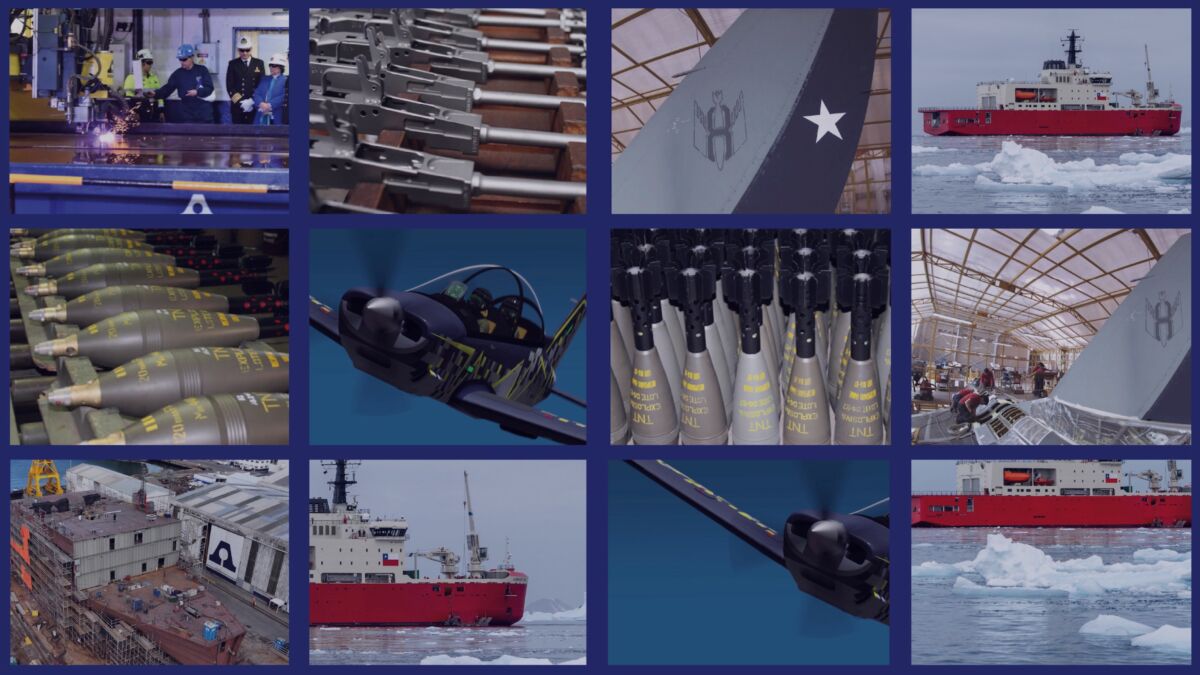
In a global scenario marked by the integration of digital technologies and the transnational expansion of the defense industry, a strategic question arises for Chile: Can the country, with its institutional stability and economic capacity, position itself as a key pillar in the architecture of the defense industry in Latin America? The comparative advantages of the Chilean market—a system that promotes foreign investment, private enterprise, and international trade—have allowed the national defense industry to secure successive contracts since 1990, currently fulfilling significant acquisition projects ranging from training rifles to the icebreaker “Almirante Viel,” the largest ever built in South America. Now, legislators and policymakers in the sector face a set of questions aimed at more effective management of defense industrialization and commercialization. How can governments ensure transparency and accountability within military enterprises? How can acquisitions be coherent in an era of changing military spending and increased austerity in defense? And, more importantly, how can they respond to geopolitical competition that exposes the advantages and disadvantages of the local industry versus foreign military industry?
This working paper seeks to answer these questions through an analysis of the trajectory of the military industry under recent governments in Chile, which have incorporated the growth of military industry entities into defense planning. The paper establishes that a series of political decisions have fostered scientific and technological cooperation while demanding broader objectives from the military industry for the benefit of national development and the country’s economic progress. The current governance model of the defense industry presents both opportunities and disadvantages. The industry appears vulnerable to economic factors specific to the sector that require correction, such as limited fiscal investment and increasing dependence on technology compensation programs and domestic market sales; as well as factors related to limitations in the national and international market, such as excessive regulatory burdens for new investment projects and marginal economic growth linked to a less predictable global market.