COLUMN | National Defense Budget of Chile: An Analysis Ahead of the 2026 Project
This article was translated automatically and may contain differences from the original. For reference, read the original.
- by Richard Kouyoumdjian
- Noticias
Modern warfare is moving towards AI, drones, UAVs, robots, and all sorts of modern devices. We must be vigilant not to be left out of the game and to avoid making incorrect investments.
We are very close to the presentation by the Ministry of Finance of the 2026 budget bill, where the Budget Directorate (Dipres), after reviewing it with the Ministry of Defense, will propose to the National Congress the annual budgets, operational expenses, and investments for the coming year in defense matters.
Investments are regulated by the law on financing strategic capabilities No. 21,174, a law that has not been strictly adhered to by the current government, an attitude that generates distrust and concern in the defense sector, as the Armed Forces need to start investing now to renew—within a relatively short timeframe—the current strategic capabilities or equivalents acquired under the governments of Frei and Lagos, which, having been in use for 25 years or more, will significantly degrade if they do not receive the corresponding funding soon or assurance of such funding. Concerns become more serious when considering recommendations from financial experts suggesting modifications or eliminations of the baseline contributions established by the law.
It does not help that, as of this date, the current government’s Defense Policy has not yet been presented, with the one from late 2020 still in effect, which was crafted by President Piñera’s second administration. In the absence of this fundamental political guidance for defense and due to the time elapsed, it becomes even more important for deputies and senators to conduct reviews, request explanations, and receive responses from the minister, undersecretaries, commanders-in-chief, and the chief of the joint staff.
In the last five years, many things have changed in Chile and the world, and therefore, there may be new needs to address, capabilities to develop, and an ongoing analysis of the lessons learned from the experiences arising from conflicts in the Middle East and Russia’s actions against Ukraine. Modern warfare is moving towards AI, drones, UAVs, robots, and all sorts of modern devices. We must be vigilant not to be left out of the game and to avoid making incorrect investments.
The purpose of this column is to propose to deputies and senators the wildcard of the public or taxpayer, with some suggestions for when they review the budgets of defense institutions, the EMCO, the DGAC, and the DGTM. I believe it is important to know what questions to ask in order to understand what we are receiving in return for the allocated resources and, very importantly, to determine the gaps between what was planned and approved but is being left undone due to the budgetary restrictions imposed by the government. The questions I recommend asking are:

Investment Budget:
1) What is the amount of cash balances and projected financial commitments at the end of 2025 for the accounts corresponding to the Multiannual Fund for Strategic Defense Capabilities and the Strategic Contingency Fund?
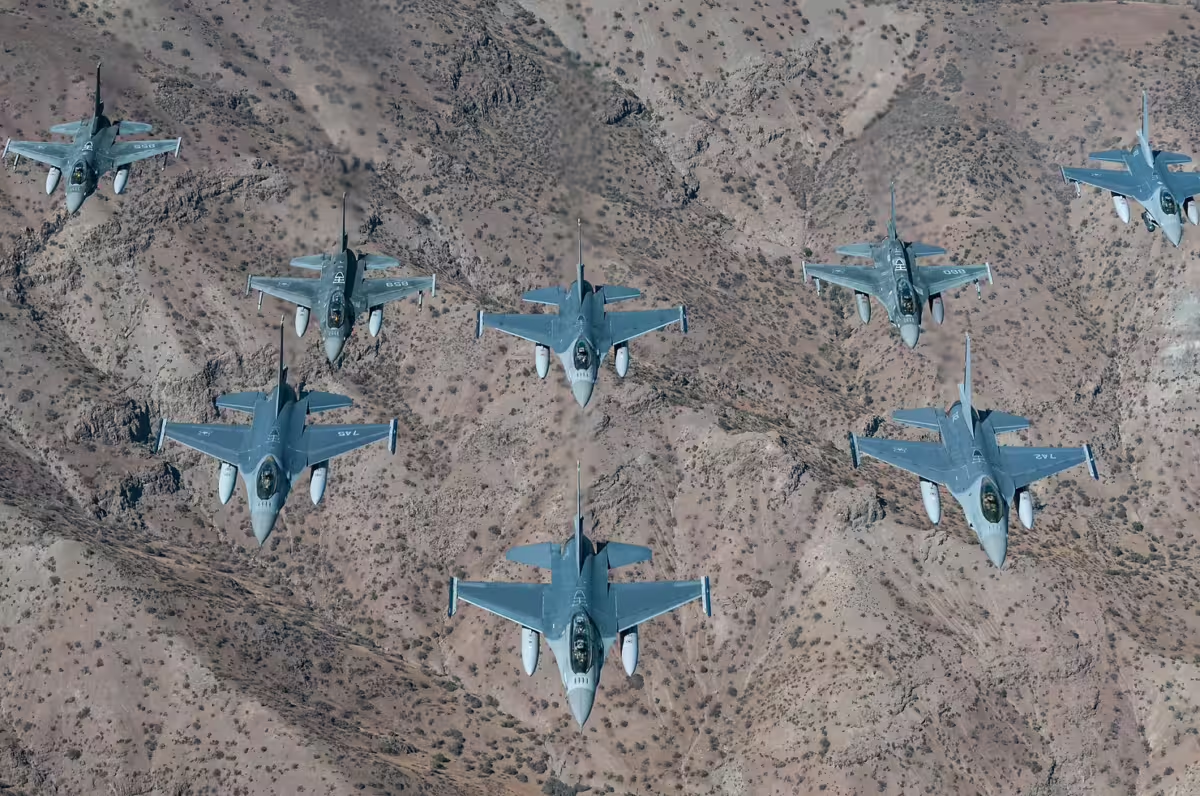
2) What is the program for renewing the strategic capabilities of the Army, Navy, and Air Force? It is important to understand what is planned to renew the armored capabilities of the Army, the Submarine Force, the Fleet, and the Marine Corps, and, very importantly, the maintenance and enhancement of the air and aerospace capabilities of the Air Force, particularly the irreplaceable deterrence provided by the air superiority we have enjoyed over the last two decades, which is at risk due to purchases being made by Argentina and Peru.
3) Projects that strengthen the command and control systems that provide interconnectivity between the EMCO and the Armed Forces, while also understanding what is being done in terms of cybersecurity and national satellite capabilities, emphasizing how the Armed Forces will interoperate with the new institutional framework created under the new cybersecurity laws, and how the new capabilities provided by the new National Satellite System, which will be managed by the Air Force, will be integrated.
4) Projects aimed at enhancing the National Defense’s ability to operate jointly.
5) Investment projects, from any ministry, that are being carried out or planned for effective management of the northern and northeastern borders and how they coordinate with the development of defense capabilities.
6) Investments made in 2025 and those financed for 2026 in Antarctica, as well as the investment plan for at least the next five years in Antarctic infrastructure and capabilities.

Operational Budget:
1) The first step is to quantify what was left undone in each of the institutions in 2025 due to the adjustments made to the budget in January of this year, which particularly affected subtitles 21 and 22. How will the gaps between what was planned but not executed in 2025 be covered with the 2026 budget?
2) What personnel levels, training levels (flight hours, navigation hours, campaign hours, and training) are included in the new budget, and how do these compare with the minimum operational requirements necessary to train and operate safely and manage operational risks?
3) Personnel levels of professional soldiers and conscripts, gaps in personnel deficits, and any plans to increase personnel demand for the control of land, air, and maritime borders.
4) To know how much is being spent in the Southern Macrozone and on the northern and northeastern borders, and whether those expenses are reimbursed to the institutions. Particularly, whether full allowances and per diems are being paid to personnel deployed far from their home garrisons.
5) How have exceptional deployments to the Southern Macrozone and the northern and northeastern borders affected the operational capabilities of the institutions?
6) What is the magnitude and trend of voluntary retirements of permanent personnel and their connection to the states of constitutional exception, which are now permanent?
7) What actions for life support, health, and social welfare for talent retention and valuable personnel need to be financed for 2026?
8) How have training levels and hours of education per person evolved, seeking to understand if the investment we are making in human capital for retaining valuable talent is adequate?
9) Are the minimum security needs for material and personnel determined by the commanders-in-chief and the JEMCO covered in the 2026 budget to instruct, train, and operate safely and correctly?