INTERVIEW | Juan Pablo Toro on Local and Foreign Policy in Nothing Is That Serious
This article was translated automatically and may contain differences from the original. For reference, read the original.
- por Juan Pablo Toro
- Noticias
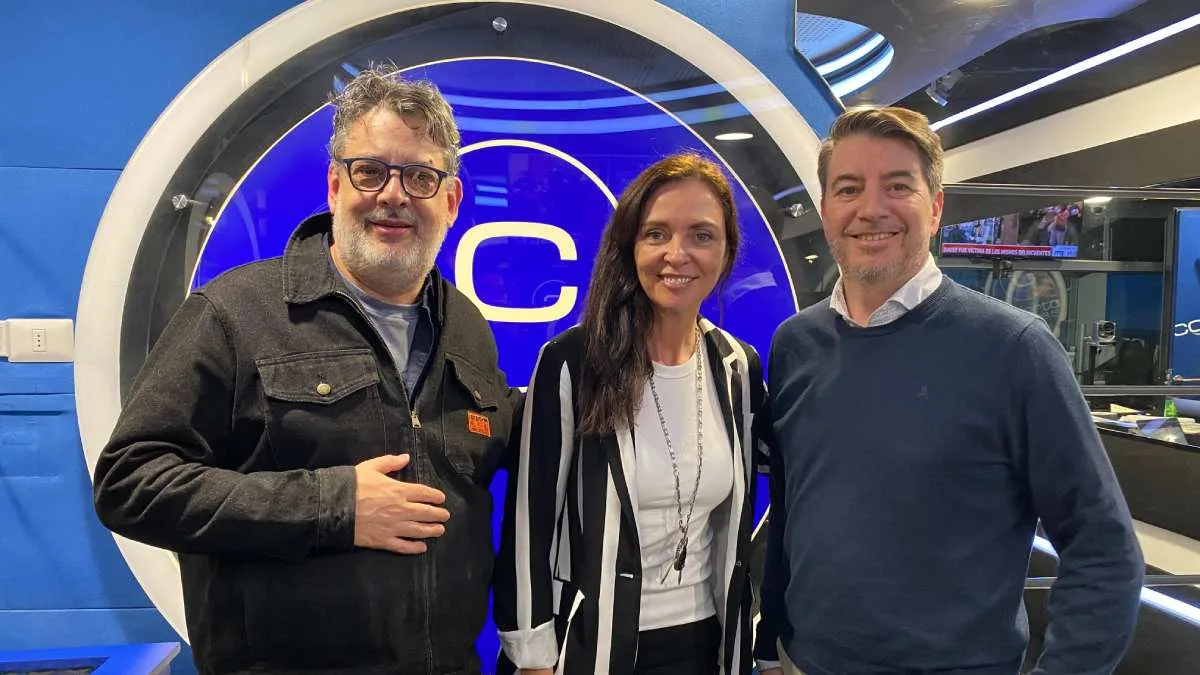
International analyst Juan Pablo Toro visited Nothing Is That Serious to discuss politics in the region.
The political landscape is changing more each day. The proximity to ideological extremes frightens many, while others suggest that these changes could even be beneficial for our country.
Therefore, today on Nothing Is That Serious, together with Marco Silva and María Elena Dressel, we spoke with Juan Pablo Toro, international analyst and executive director of the Chilean Studies Center Athenalab.

International Political Landscape
The international analyst recalled that in electoral matters, “there is a series of elections in succession. In Bolivia, for example, this candidate Paz won, who previously did not appear in the polls. He is the son and grandson of a president, which shows that in Latin America, surnames carry weight.”
On the other hand, he mentioned that “in Argentina, legislative elections are coming up. They are crucial to see if Milei can continue implementing all these shock economic policies, which require congressional approval and some of which have been blocked.”
Additionally, he emphasized that “elections are approaching in Chile, and next year in Peru, Colombia, and Brazil. If we bundle everything together, we have a political change in the region.”
Regarding the institutional framework in our country and abroad, Juan Pablo Toro explained that “the cases of Chile and Peru are not comparable. Chile has a reinforced presidential model, where presidents still hold significant power. In the case of Peru, they have a semi-presidential model, where if the president loses the majority support in Congress, they fall.”
He also recalled that “President Boric came in with a large vote, a reasonable level of support in Congress. Presidents in Chile are structurally much stronger.”