TODAY WE REMEMBER | The Battle of Yungay, a foundational milestone of Chilean identity
This article was translated automatically and may contain differences from the original. For reference, read the original.
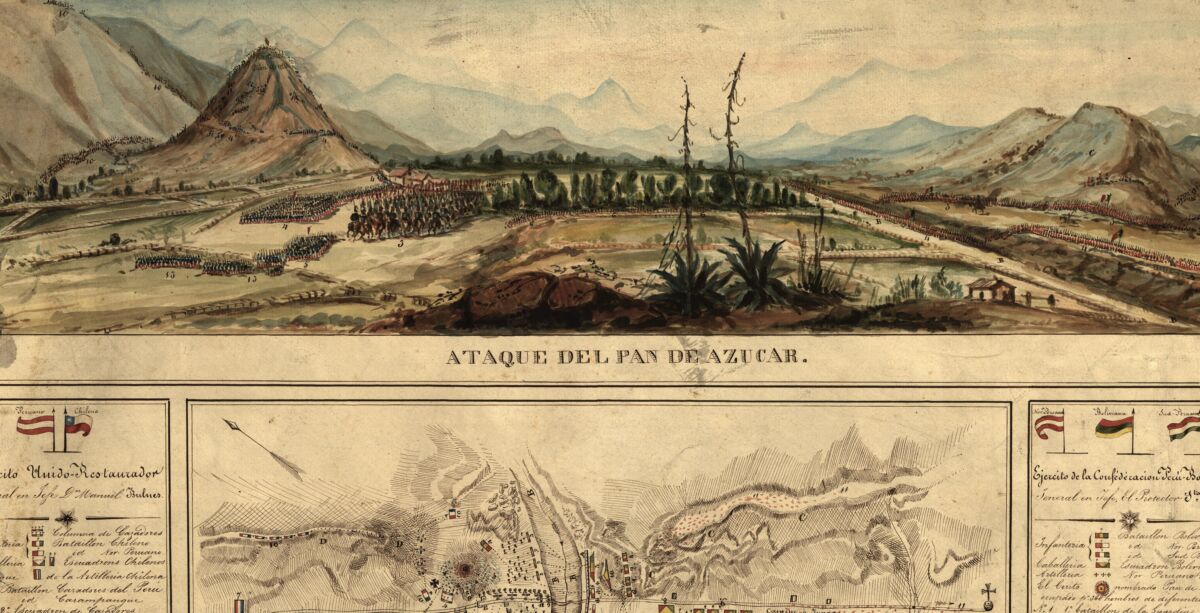
January 20, 1839
In the context of the War against the Peru-Bolivian Confederation (1836-1839), the general Manuel Bulnes, Commander in Chief of the Restorative Army, decisively defeats the confederate army of Marshal Andrés de Santa Cruz in this battle. This battle gave rise to the famous “March of Yungay,” which for many years was one of the main anthems of our homeland during various military celebrations. Additionally, this conflict played a key role in the notion of Chilean identity and in reinforcing a national identity and cohesion in formation.
Such was the valor demonstrated by the Chilean soldiers—mostly mestizos—that this battle is recognized as one of the most exemplary in our military history, in whose honor January 20 of each year is commemorated as “Chilean Roto Day.”

In the triumph of Yungay, a Chilean woman also achieved glory, the cantinera Candelaria Pérez, who accompanied the soldiers of Carampangue. She is the first woman for whom there are records of her participation in the Army and in a military conflict. Her role as a cantinera and her attainment of the rank of second lieutenant for her services mark the beginning of the official presence of women in the Army.
Notable Chilean figures from the Battle of Yungay
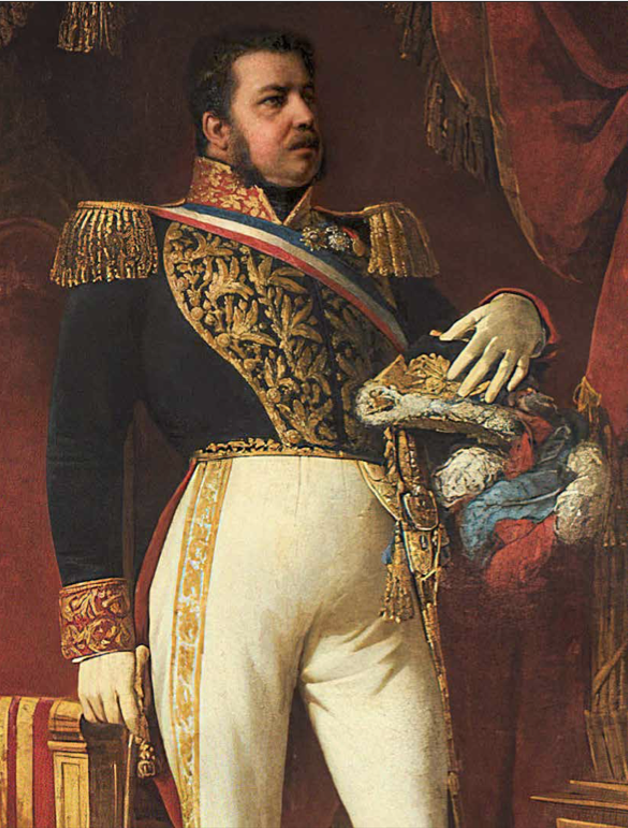
MANUEL BULNES
Commander in Chief of the Restorative Army of Chile.
He commanded the decisive victory over the Peru-Bolivian Confederation. His leadership at Yungay consolidated his political and military prestige, and was crucial for his subsequent election as President of the Republic.
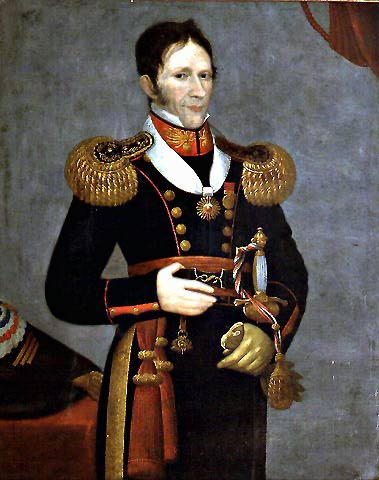
JOSÉ MARÍA DE LA CRUZ
Chilean general and one of the main commanders at Yungay.
He played a significant role in leading the forces during the combat, especially in the decisive movements that tipped the balance in favor of Chile.
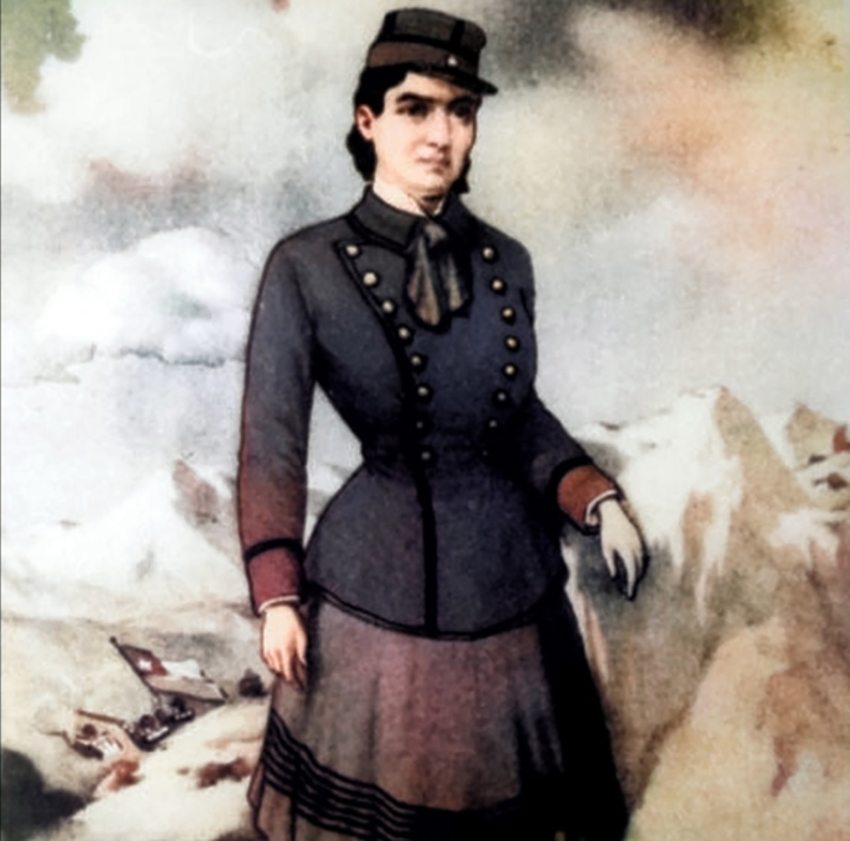
CANDELARIA PÉREZ
Cantinera of the Carampangue Battalion.
She is the first Chilean woman with documented participation in an armed conflict, and after Yungay, she received the rank of second lieutenant, marking the formal beginning of the female presence in the Chilean Army.
BOOK | “The Battle of Yungay: Monument to the Roto Chileno,” José Rafael Carranza (1939)
A historical work that recounts and commemorates the Battle of Yungay from a perspective that links this event to the construction of a Chilean identity, especially through the figure of the roto chileno as a popular emblem.
Source: Memoria Chilena (National Library of Chile)
Hymn to the Victory of Yungay
Source: Chilean Army