SPECIAL | AthenaLab analyzes the military intervention of the United States in Iran
This article was translated automatically and may contain differences from the original. For reference, read the original.
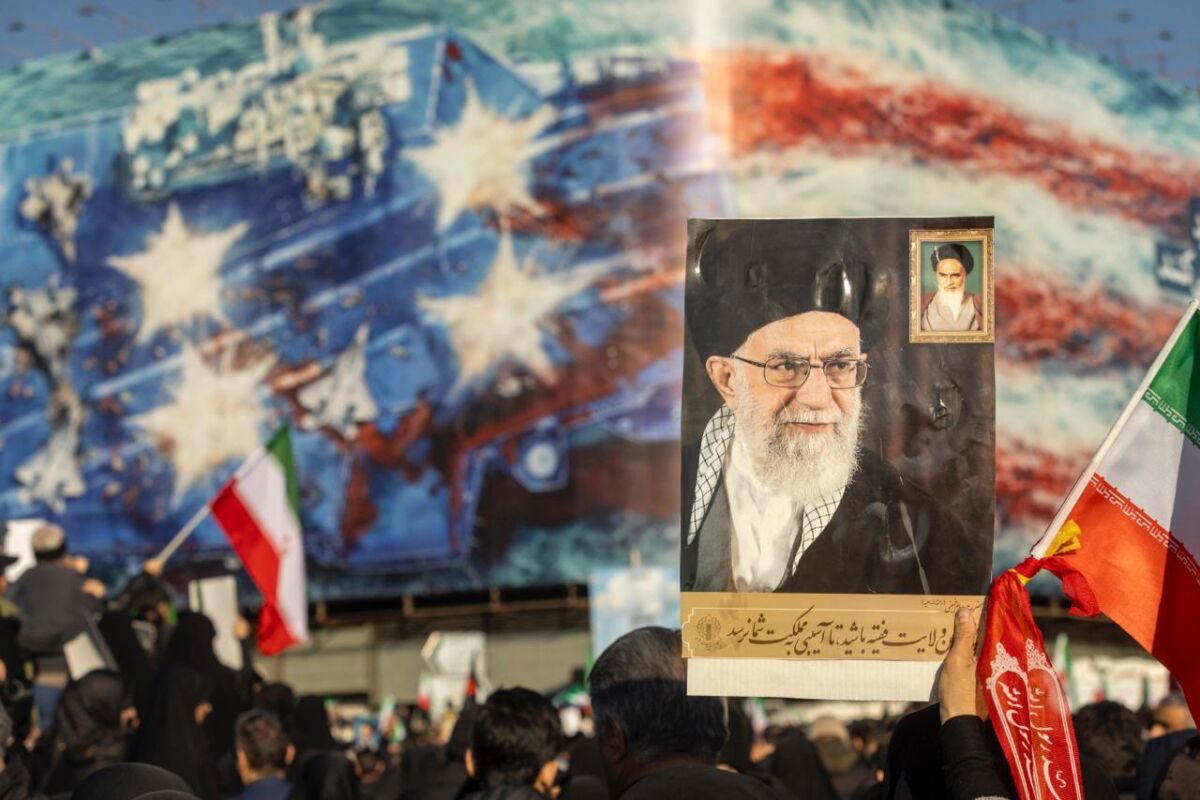
Amid the military escalation between the United States and Iran, this entry compiles what members of AthenaLab have said in the media regarding the intervention: from critical analyses to strategic assessments of its causes, legitimacy, and potential regional and global implications.
FROM ATHENALAB
DOCUMENT NO. 2 | Conflict Update (March 2)
DOCUMENT NO. 1 | Conflict Update (February 28)
APPEARANCES IN NATIONAL MEDIA
COLUMN | The Defeat of Iran and Checkmate to the Chinese
Richard Kouyoumdjian
El Conquistador FM | Thursday, March 5
Richard Kouyoumdjian
Meganoticias | Thursday, March 5
Richard Kouyoumdjian
Radio Futuro | Thursday, March 5
Marcelo Masalleras
Diario Financiero | Monday, March 2
Interviewee: John Griffiths
T13 | Sunday, March 1, 2026
Interviewee: John Griffiths
Key Ideas:
1️⃣ The success of the attack is explained by intelligence and operational secrecy
The attack was primarily an intelligence operation: it surprised the Iranian regime at a critical moment and was kept completely secret, even from allies.
⸻
2️⃣ The central objective is not only to punish but to degrade Iran’s nuclear capability
The focus of the attack would not solely be to “decapitate” the regime, but to degrade Iran’s nuclear and military capabilities. The strategic logic is clear: a nuclear-capable Iran would solidify its hold on power and alter the regional geopolitical balance. Therefore, the attack aims to prevent Tehran from gaining that structural bargaining chip.
⸻
3️⃣ The use of force does not guarantee regime change
Although high-ranking officials were killed, there was no regime change: the authorities were quickly replaced. A limited airstrike does not automatically produce internal political transformation.
Regime change is a political and social phenomenon, not exclusively military, and the conflict could extend for at least two to three weeks.
4️⃣ Iran’s logistical capacity diminished
Due to the constant consumption of supplies since last year, Iran has a limited stock that, like Russia’s, would not allow it to sustain military operations for long.
⸻
5️⃣ Disruptive technological innovation
The United States and Israel lead the battlefield by using drones for real-time information and artificial intelligence to process massive volumes of data at high speed.
⸻
6️⃣ Primacy of human judgment
Despite technical advances, technology is considered a “double-edged sword” that necessarily requires human oversight and judgment for sound decision-making.
T13 | Sunday, March 1, 2026
Interviewee: John Griffiths