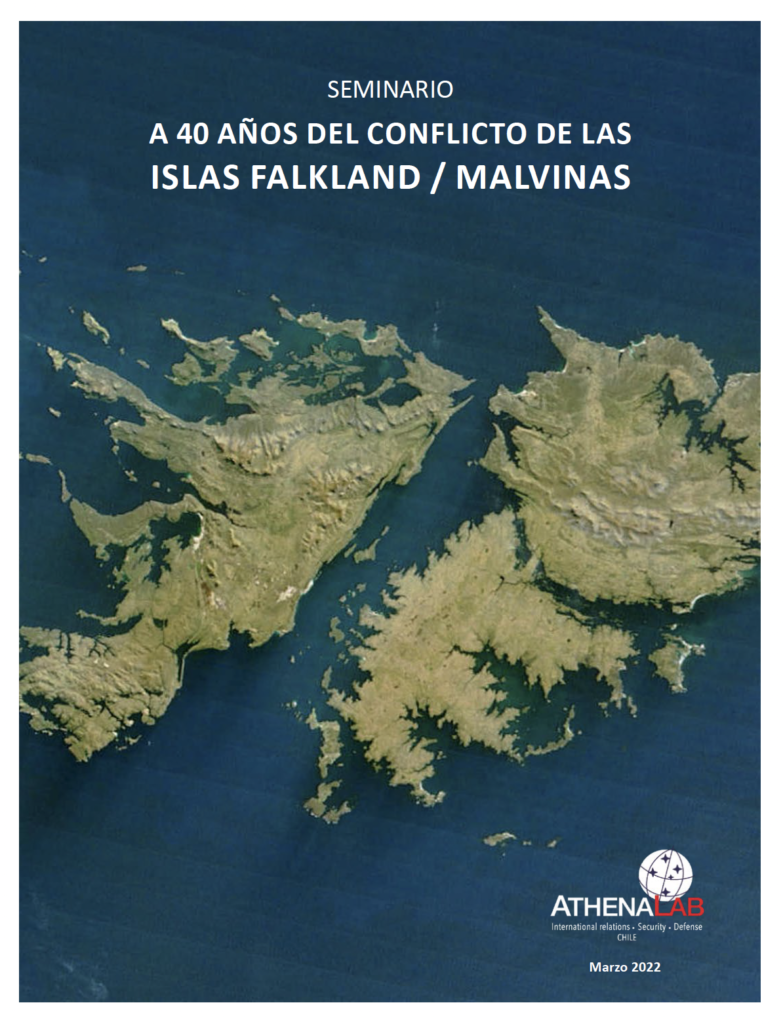
40 Years Since the Falkland/Malvinas Conflict
This article was translated automatically and may contain differences from the original. For reference, read the original.
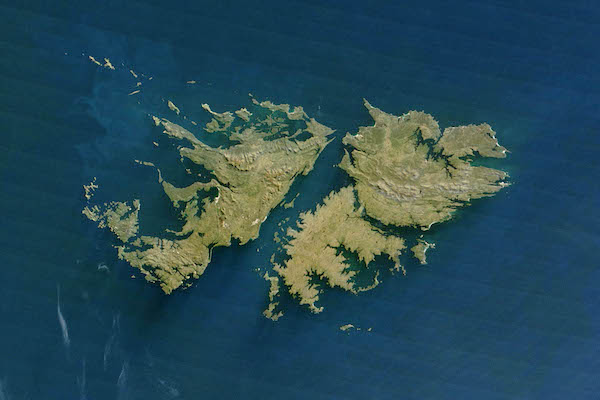
Four decades ago, the cold waters of the South Atlantic were the setting for what can be considered the last classic military conflict in history, long before discussions of globalization, cyberspace, or hybrid warfare.
On April 2, 1982, Argentine military forces moved toward the islands they call Malvinas, but which the British-descended inhabitants refer to as Falkland. In response to what London deemed an invasion, the United Kingdom dispatched a task force that crossed thousands of kilometers to reverse the situation.
The brief and intense war, which culminated in the United Kingdom’s victory on June 14 of the same year, resulted in the deaths of 649 Argentine military personnel and 255 British military personnel, and had profound consequences for the relationship between the two countries, the conditions of the islanders, and the significance assigned to territories that had previously garnered little interest, aside from their occasional mention in episodes of World War I and World War II.
The conflict also demonstrated the complexities of modern warfare when employing sophisticated weapon systems; the importance of having professional troops; and the virtues of joint command in high-intensity conflicts.
For all these reasons, this war continues to be a subject of study in military academies and institutes around the world, as it is the only real experience that can provide insights into scenarios such as a potential conflict in the Taiwan Strait or the South China Sea.
For this reason, AthenaLab invited experts from the United Kingdom, Lawrence Freedman, and from Argentina, Juan Battaleme, to discuss this conflict from a contemporary perspective and review its main lessons. The viewpoint from Chile was also essential, represented by Matías Purcell, as this country was an indirect and non-belligerent actor in that armed clash, which occurred in a nearby and familiar theater of operations.