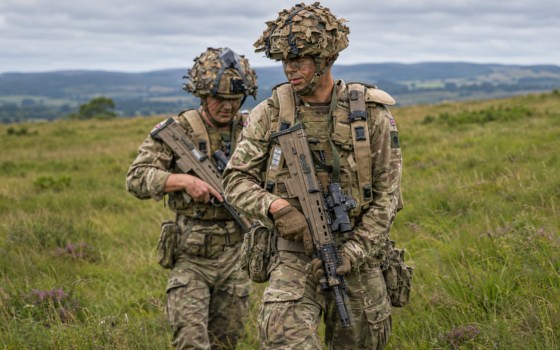
SPECIAL | Security Agenda: Analysis of the Fast Track
This article was translated automatically and may contain differences from the original. For reference, read the original.

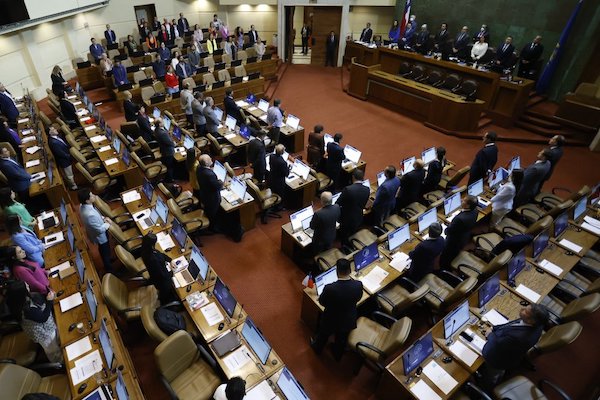
BALANCE | Security Agenda: The Movements of the Fast Track
15.12.2023. With two weeks remaining until the final deadline proposed for completing the processing of the public security bills, it is necessary to analyze the composition of the proposed legislative package, the progress made, and where the main delays currently lie.
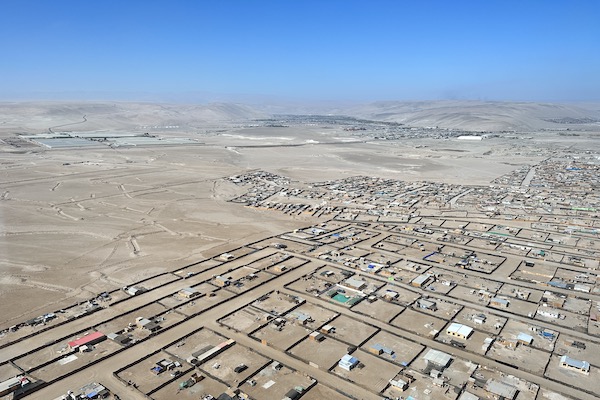
COMMENTARY | Usurpations: The Impact of the Veto on Security
19.10.2023. Within the security agenda promoted by the Government, one of the projects that has most clearly highlighted the political differences among the actors involved in its negotiation is related to usurpations. So much so that the Executive introduced a veto to the text approved by Congress with 14 observations, ten substantive and four formal, focused on three axes (…)

ANALYSIS | Security Agenda: How Quickly is the Fast Track Advancing?
28.09.2023. With the second deadline of 150 days for processing the security-related bills having passed, it is worth reviewing how quickly the parliamentary discussion is advancing and, if all the projects are approved, what it would mean for Chile. Pilar Lizana and Agustín Soto.

COLUMN | Distorted Usurpations
29.09.2023. The Minister of the Interior must be able to navigate internal political pressures. Yielding to them would grant more power to the Communist Party and damage the little political capital that remains for the government. Pilar Lizana in El Líbero.

COLUMN | Veto on Usurpations and the Value of Words
06.10.2023. Using the concept of “criminalizing poverty” denies a common reality for organized crime: the exploitation of individuals’ vulnerabilities to achieve economic ends. Pilar Lizana in El Líbero.

ANALYSIS | A Review of the Legislative Fast Track in Public Security
21.04.2023. President Gabriel Boric’s government proposed a legislative fast track with 31 bills to be processed with varying urgency. Some within a period of 75 days, others in 150 days, and the last group before the end of the year. This prioritization responds to a security context marked by an increase in homicides and a series of shootings in various areas of the country.