Usurpations: The Impact of the Veto on Security
This article was translated automatically and may contain differences from the original. For reference, read the original.
- por Pilar Lizana & Agustín Soto
- Análisis
Within the security agenda promoted by the Government, one of the projects that has most clearly highlighted the political differences among the actors involved in its negotiation is related to usurpations. So much so that the Executive introduced a veto to the text approved by Congress with 14 observations, ten substantive and four formal, focused on three axes: privileged self-defense, graduated penalties, and instruments to effect the restitution of property.
This bill modifies a criminal figure that already existed in our Code in Article 457, with the main novelty being the prison sentence for all types of usurpation. It was also one of the issues that presented significant differences between the government and the opposition. The former sought to differentiate between violent and non-violent usurpation, in order to impose fines on the latter. In this regard, the Minister of the Interior, in an interview with Radio Cooperativa, detailed the three types of usurpation, including the aforementioned, and specified that “in all three, arrest is possible; the crime is ongoing, and the police can act at any time. Furthermore, in all three cases, the judge will have prison sentences available when their assessment leads them to believe that this is appropriate.”
Cross statements were made on this and other matters such as privileged self-defense or “self-protection” as the government calls it. The political discussion surrounding this project has extended over several days; however, it is necessary to contextualize it and analyze the project on its merits by reviewing the modifications and what they mean for actions taken in the area of security.
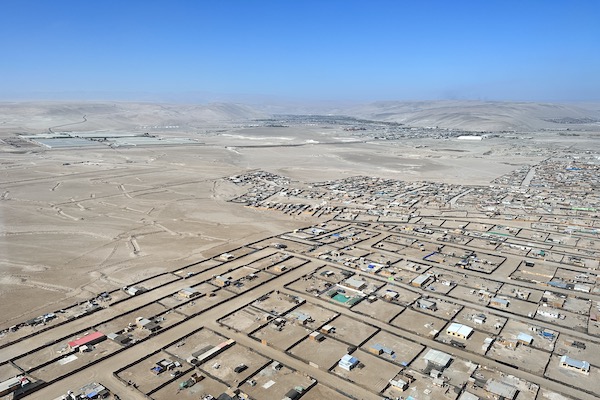
However, before delving into the details, it is important to mention that what lies behind the discussion on usurpations is organized crime, as the aim is to pursue illegal land occupations, which are often subdivided and rented out, as well as the initial crime that underlies the illicit timber economy: the usurpation of property. [CONTINUE READING]
Pilar Lizana
Researcher, Athenalab
Agustín Soto Gidi
Contributor, Athenalab