COLUMN | Lieutenant Ojeda and the Neglect of Our Sovereignty
This article was translated automatically and may contain differences from the original. For reference, read the original.
- por Pilar Lizana
- Columnas
Whether due to a lack of capabilities, tools, political will, or simple ignorance, the state is losing control of the territory and leaving significant gaps that are being filled by others.
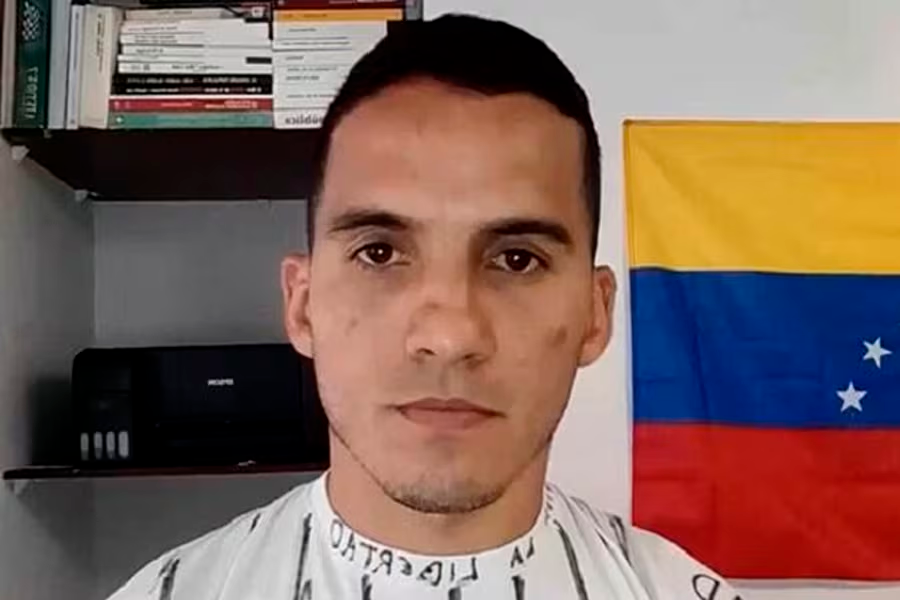
Almost a year after the assassination of the lieutenant Ojeda in Chile, the hypothesis of political crime is confirmed. That is to say, individuals belonging to a transnational organized crime group, linked to the Caracas government, were hired from Venezuela to kidnap and kill a person on Chilean territory.
The fact that this occurs means only one thing, the sovereignty of the country is not being properly safeguarded. Some have been asking for some time why transnational criminal groups have established themselves in Chile, why they control territory in the north and takeovers in the Metropolitan Region. The answer is simple: The government has failed to protect our sovereignty. Whether due to a lack of capabilities, tools, political will, or simple ignorance, the state is losing control of the territory and leaving significant gaps that are being filled by others.
When defining organized crime as a threat and identifying it as the main cause of the security crisis, decision-makers should have emphasized sovereignty. A threat like this is based on territorial control, requires the exercise of power, and subjugates a portion of the population in order to control the supply and demand of the products and services it offers.
It is not possible to address organized crime solely through the violence and crimes it commits; it must be confronted with state capabilities, institutional strength, the exercise of sovereignty, and the presence of the state throughout the territory. Only in this way can barriers be raised and it become more costly to establish oneself in Chile.
Organized crime is a criminal enterprise; its objective is economic, but it will ally with politics to influence decision-making in its favor and in the appointment of those who will help grow the illicit enterprise. In other words, organized crime threatens the survival of the state, which has taken so much effort to create and maintain, the one that contains the DNA of Chile, that shelters citizens willing to help others in a catastrophe and that has the resilience to rise after each earthquake. That is what organized crime destroys; that is what governments gamble every time they do not respond efficiently to the problem.
The case of Lieutenant Ojeda is proof of this. That crime is much more than a murder; it demonstrates the failures of the state in protecting individuals who should have been defined as ‘of interest’ due to what they could signify for the Venezuelan and Chilean regimes, in the lack of protection of territorial integrity, in the lack of a strong response to the Venezuelan regime, in conclusion, in not putting Chile first.
The classification of ‘political crime’ should concern us, not because of the reach of Maduro’s regime, which, it should not be forgotten, has Russia and Iran behind it, but because of the weak stance the government has taken in defending our state.