Without security, there is no development or well-being
This article was translated automatically and may contain differences from the original. For reference, read the original.
El Líbero, October 20, 2023
Chile is experiencing a security crisis that confronts the State with various threats, where terrorism and organized crime are simultaneously developing in the Southern Macrozone.
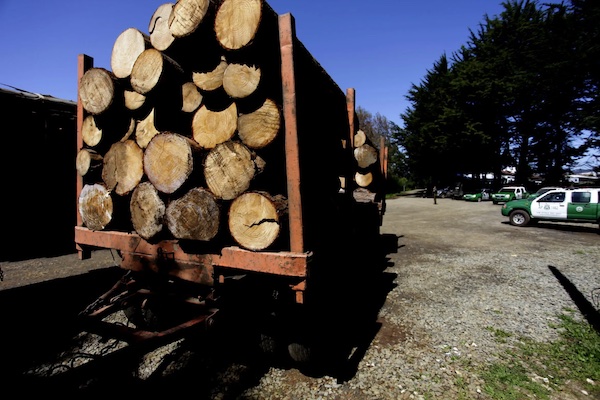
The reorganization of a company can be due to countless reasons; however, when among them are fires, timber theft, and land usurpation, the situation is quite different. What has been revealed this week about Forestal Arauco should concern us, not only because of its impact on local development but also due to how violence in the Southern Macrozone can affect development and investment.
Large, small, and medium-sized timber entrepreneurs are part of an economically significant sector for the country, which, along with associated industries such as trucking and contracting, generates development in one of the areas most affected by violence.
US$100 million was the estimated cost in 2022 for timber theft according to the Chilean Wood Corporation (Corma), with over 100 pieces of machinery affected by attacks and more than 400,000 hectares burned during the 2022-2023 fire season. Additionally, of course, there are the violent attacks stemming from radical organizations operating in that area, which are associated with organized crime and illegal markets.
The forestry sector contributes between 2% and 3% of GDP, with more than 120,000 direct jobs and over 180,000 indirect jobs, a situation that could change with the escalation of violence and its impact on the industry.
The closure of plants, contracting companies, and layoffs cannot cite violence and insecurity as part of their justification, as this would mean that the State is losing ground to criminal groups. A difficult economic context can explain reorganizations and closures, but attacks and fires should not be part of that justification.
Security is the context of peace and stability that allows citizens to achieve development and well-being, precisely what is threatened today in the south, forcing many to decide not to invest, close offices, and seek opportunities elsewhere.
We are free to invest and develop our business wherever we find it most suitable, but this freedom is directly affected by a small number of organized violent groups seeking to drive the State and private entities out of the territory.
Chile is experiencing a security crisis that confronts the State with various threats, where terrorism and organized crime are simultaneously developing in the Southern Macrozone. Private actors have sought ways to deal with them, modifying their protocols, incorporating the security variable into their planning, and adapting to the increased costs that this entails.
Without security, there is no development or well-being. Now more than ever, Chileans are experiencing this. There are multiple challenges in this area; much has been said about the role of institutions, but it is time to put on the table the need for real political will to address security. It is time to say enough to the advance of crime and respond forcefully to reclaim the ground that has been lost.
Pilar Lizana
Researcher, AthenaLab
Source: El Líbero