Brexit Ten Years Later
This article was translated automatically and may contain differences from the original. For reference, read the original.
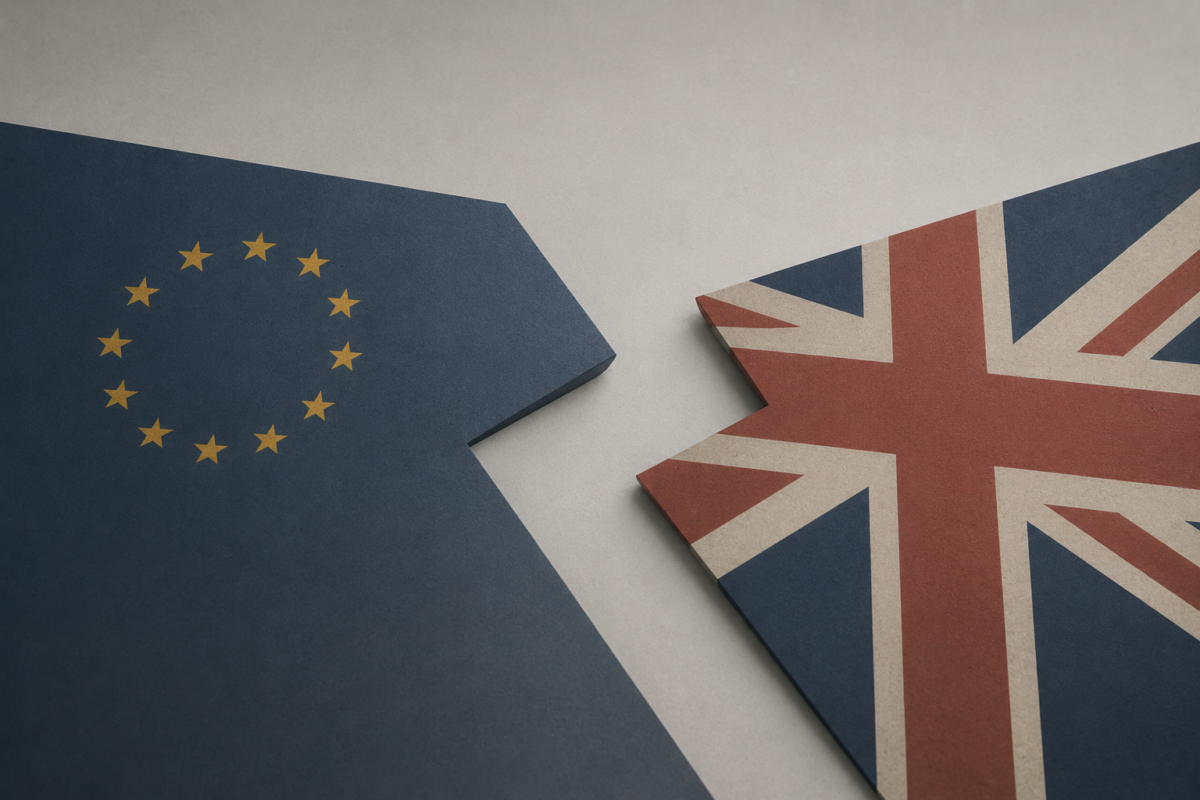
2016 was a year of electoral upheavals around the world. These upheavals were notable for their media impact and unexpected results: Trump defeated Hillary Clinton, Colombia rejected the peace agreement with the FARC, and the United Kingdom chose to leave the European Union.
In the case of Brexit, its proponents diagnosed a declining United Kingdom. They attributed economic stagnation, uncontrolled immigration, and excessive bureaucracy to the subordination of national interests to the European project. The promise was simple: leave the EU to regain control and restore lost splendor.
Ten years later, the assessment is less encouraging. Various studies estimate that the United Kingdom is now 6% poorer than it would have been without Brexit. Investment and productivity have weakened, while immigration reached record levels in 2023. The country hardly seems more prosperous than it did a decade ago.
But Brexit had deeper consequences. This is suggested by the book Tribal Politics: How Brexit Divided Britain (2026), by political scientists Sara Hobolt and James Tilley. Their argument is that the referendum not only settled a controversy over Europe but also opened a fracture that reorganized how many Britons viewed their political adversaries. The question shifted from whether it was beneficial to remain in or leave the EU to a division between ‘them’ and ‘us.’
The authors show that this process was gradual. The 2016 referendum brought to the forefront a previously secondary issue, reduced it to a binary choice, and forced each voter to take a stance. As Brexit divided conservatives and laborites, the conflict could not be absorbed by the parties. Thus, Leave and Remain transformed from electoral preferences into identities of belonging. By 2025, only four out of ten voters were willing to discuss politics or have family ties with someone from the opposing side.
These findings are significant because they show that political identities can form without relying on deep historical cleavages, such as class or religion. They can also arise from specific issues when these are stirred by political elites, presenting a definition between mutually exclusive alternatives and separating society into recognizable factions.
After a decade, the experience of Brexit nuances the assumption that ‘the problems of democracy are always resolved with more democracy.’ In systems with polarized elites and uprooted parties, settling deep differences through a definitive election can be counterproductive. In these cases, elections cease to channel disagreements and end up intensifying them, causing more enduring fractures than the decision they sought to resolve.