COMMENTARY | Illegal Economy of Copper Theft: A Rising Crime
This article was translated automatically and may contain differences from the original. For reference, read the original.
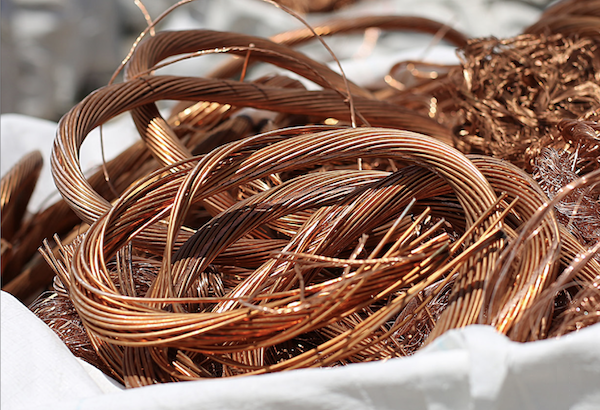
Last July, we warned about the issue of copper theft in Chile.[1], new data reported through various media outlets towards the end of 2022 and the beginning of 2023 confirmed the projections: the crime is on the rise, and the gangs engaged in this activity are solidifying their characteristics of organized crime.
In 2022, there were sixty reported crimes per day associated with the theft of cables. Only the company CGE reported 854 thefts corresponding to 169 kilometers and 42 tons, affecting 277,000 customers. In the same year, the Antofagasta-Bolivia Railway suffered 39 assaults. During the first 40 days of 2023, small and medium mining experienced a theft every day and a half. In the summer of this year, a shipment valued at US$4.4 million from Codelco was stolen at the port of San Antonio, and a robbery at Minera Escondida was thwarted.[2].
The northern and central regions are the most affected by this type of crime. While those against mining are concentrated in the third and fourth regions, cable theft primarily occurs in the Metropolitan and O’Higgins regions. The stolen items from various parts of the country are exported mainly through the ports of San Antonio and Arica, but Valparaíso and Antofagasta can also be mentioned. South Korea and China are the main destinations for the stolen cables. Both countries have large smelting facilities, purchasing capacity, and scrap storage, so it is not surprising that gangs involved in the illegal copper economy take advantage of this to send the ill-gotten product. In the case of stolen mining products, they also target international markets, but unlike cables, mining products are sent to neighboring countries like Peru.[3].
What to do in response to this crime?
The illegal economy of copper represents a significant challenge for both the private and public sectors. The former must deal with the theft of their production and the violence that criminal gangs exert against their workers, while the latter must strengthen institutions to prevent these groups from exploiting them and using them to their advantage.
In this regard, the document on the illicit copper market published by Athenalab last July noted that the main factor facilitating the actions of groups involved in copper theft is institutional weakness, which is expressed through outdated legislation, lack of resources to address the problem, and poor coordination among state agencies, all of which create gaps that are exploited by these criminal organizations. Therefore, strengthening the state regarding processes and oversight tools is essential to improve the efficiency and effectiveness of the integration and coordination of the institutions involved in this control.
A proposal for the public sector
Considering that institutional weakness is the main factor that criminals exploit to establish their illegal business, several actions can be proposed to strengthen the institutional response:
- The design of a public policy that proposes a security structure allowing for planning focused on this issue and allocating physical and budgetary resources to combat illegal economies.
- This structure must consider all institutions involved in the prosecution and investigation of the crime. The cornerstone is integrated and coordinated work among the various agencies responsible for control, in order to generate synergies between the specific actions each of them develops, especially since experience has shown that when this occurs, the results are successful.
- It is necessary to advance certain bills that could provide important tools, such as, for example, one that modernizes the crime of organized crime, adapting this legal figure to the challenges of the 21st century and providing investigative methodologies that allow for the pursuit of illegal enterprises.
- It is essential to follow the money and generate coordination among police, prosecutors, customs, internal revenue, and financial analysis, among others, thus addressing the problem from the perspective of organized crime and not just that of minor criminal organizations.
- Incorporating intelligence into crime analysis will allow for understanding the behavior, evolution, and movement of gangs involved in the illegal copper economy throughout the country. Integrating technology derived from artificial intelligence and “machine learning” into the data analysis process will make it more effective and ensure that the fight against the illicit copper market is successful.
- Finally, cooperation with third parties, namely other states, state institutions, or private actors, is an element that should be considered, as both cables and mining products are exported.
We believe that the proposed measures are some of the actions that could strengthen institutional capacity. However, this requires a cross-party political will to promote the legal and procedural modifications necessary to generate synergies and a decisive state action in this matter.
A proposal for the private sector
The affected industry and private companies can collaborate with the state to strengthen institutional capacity and enhance the responses it provides to the issue. Several actions could be promoted:
- The information held by the industry and associations can generate responses to the crime, and in this sense, sharing it could contribute to improving individual responses. Furthermore, if a public-private effort is made to share data along with lessons learned, collaboration could occur in the design and execution of planning.
- Private companies, especially in technology, can offer solutions based on artificial intelligence and data analysis that contribute to improving the oversight work of the state, particularly related to the pursuit of money and false invoices.
- Finally, the work of private entities can be integrated with public institutions, from the services they can offer to the participation of the industry in public-private working groups that provide sustainability to the designed strategies.
Ultimately, coordinating the efforts of all involved actors is essential to generate the necessary synergies. However, it must always be clear that the government in power is responsible for security, as it is that government that must provide it to its citizens, as well as create and seize opportunities to improve the desired development and well-being.
Pilar Lizana Toresano
Researcher at Athenalab
April 5, 2023
[1] Pilar Lizana. “Illegal Economy of Copper: The Security Problem Behind the Red Metal,” Athenalab, Working Document No. 16, July 2022, http://www.athenalab.org/wp-content/uploads/2022/08/athenalab_doc_17.pdf
[2] For more information, see:
- Radio Biobío, “Cable Theft in 2022: 60 Crimes Per Day and Over 2 Million People Disconnected in Chile,” January 13, 2023, https://www.biobiochile.cl/noticias/nacional/chile/2023/01/13/robo-de-cables-en-2022-60-delitos-al-dia-y-mas-de-2-millones-de-personas-desconectadas-en-chile.shtml
- Diario Financiero, “CGE Reports Over 850 Copper Cable Thefts in 2022 and Stolen Amount Tripled,” February 20, 2023, https://www.df.cl/empresas/energia/cge-reporta-mas-de-850-robos-de-cables-de-cobre-en-2022-y-monto
- T13, “Far West in the North (Part 1): The Modus Operandi of Gangs That Rob Trains and Trucks,” January 9, 2023, https://www.t13.cl/noticia/ex-ante/nacional/far-west-norte-parte-1-modus-operandi-mafias-asaltan-trenes-y-camiones
- Diario Financiero, “Copper Theft Increases in the North: Medium and Small Miners Face Assaults Every Other Day,” February 14, 2023, https://www.df.cl/empresas/mineria/robo-de-cobre-medianas-y-pequenas-mineras-enfrentan-asaltos-dia-por-medio
- La Tercera, “Copper Shipment from Codelco Valued at US$4.4 Million Stolen,” January 11, 2023, https://www.latercera.com/pulso/noticia/roban-cargamento-de-cobre-de-codelco-por-unos-us44-millones-en-el-puerto-de-san-antonio/XFHIVDRZMJH6TL5BRTKAYO3HI4/
- Radio Biobío, “Six People Arrested for Stealing Copper Cathodes from Minera Escondida in Antofagasta,” January 25, 2023, https://www.biobiochile.cl/noticias/nacional/region-de-antofagasta/2023/01/25/detienen-a-6-personas-robando-catodos-de-cobre-desde-minera-escondida-en-antofagasta.shtml
[3] For more information, see:
- Radio Biobío, “An Overview of the Copper Cable Theft Business: Lawsuits, Ports, and Destinations in Asia and Europe,” November 18, 2022, https://www.biobiochile.cl/especial/bbcl-investiga/noticias/reportajes/2022/11/18/radiografia-al-negocio-del-robo-de-cable-de-cobre-querellas-puertos-y-destinos-a-asia-y-europa.shtml
- ExAnte, “Far West in the North (No. 2): Peru and Asian Countries Are the Destination of Copper Stolen by Gangs Similar to Drug Traffickers,” January 10, 2023, https://www.ex-ante.cl/far-west-en-el-norte-grande-2-peru-y-paises-asiaticos-son-el-destino-del-cobre-robado-por-mafias-similares-a-los-narcos/