ARTICLE | Latin America at a Geopolitical Crossroads
This article was translated automatically and may contain differences from the original. For reference, read the original.
- by Juan Pablo Toro
- Noticias

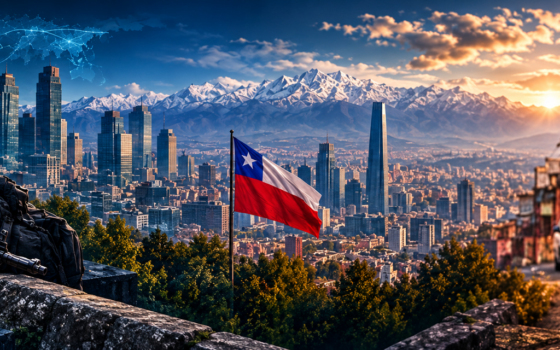
In a competitive environment, the most astute countries in the region should be considering how to better leverage their resources of interest to major powers in order to play their cards wisely, whether it be control of an interoceanic strait; the availability of critical minerals for the green transition and defense; or prime locations for space observation and access to Antarctica.
Latin America and the Caribbean find themselves at a geopolitical crossroads due to the transition of the global order and the growing rivalry between the United States and China, crucial actors for the region. Historically, the region has tended toward passive acceptance of international changes, but the current competition compels it to adopt a risk management approach and active agency. Since the region is not a monolithic block, nations are strategically diversifying their diplomatic, commercial, and military ties to protect their national interests, leveraging their strategic resources (such as critical minerals and agricultural land) and seeking new partnerships with middle powers (such as South Korea, Japan, and Turkey). This shift moves away from traditional dependence on historical allies, aiming to mitigate alignment risks and avoid disruptions in logistical chains, demonstrating that the future of the region lies in charting its own coordinates rather than merely observing the movements of major powers.
Read the full article “Latin America at a Geopolitical Crossroads: From Passive Acceptance to Risk Management” by AthenaLab’s Executive Director, Juan Pablo Toro, published in the inaugural issue of “ADDR – Defence Diplomacy Review,” Turkey’s first specialized journal on diplomacy and defense.
December 4, 2025