Key Aspects of the United States Military Intervention in Venezuela on January 3, 2026
This article was translated automatically and may contain differences from the original. For reference, read the original.
- by Richard Kouyoumdjian & John Griffiths
- Analysis
What We Know:
- The United States, executing a naval blockade against Venezuela that began in August 2025, has carried out a military attack on land targets within the country, previously announced by President Trump. The operations commenced at 03:37 Chilean time, prioritizing the element of surprise and optimal weather conditions for their execution.
- The military operation, named “Absolute Resolution,” has targeted strategic locations within the Venezuelan command and control system, as well as airports and port facilities. Additionally, other targets have been struck to degrade and destroy the capacity of Venezuelan forces to respond. Caracas has announced the order and deployment of the Command for the comprehensive defense of the nation.
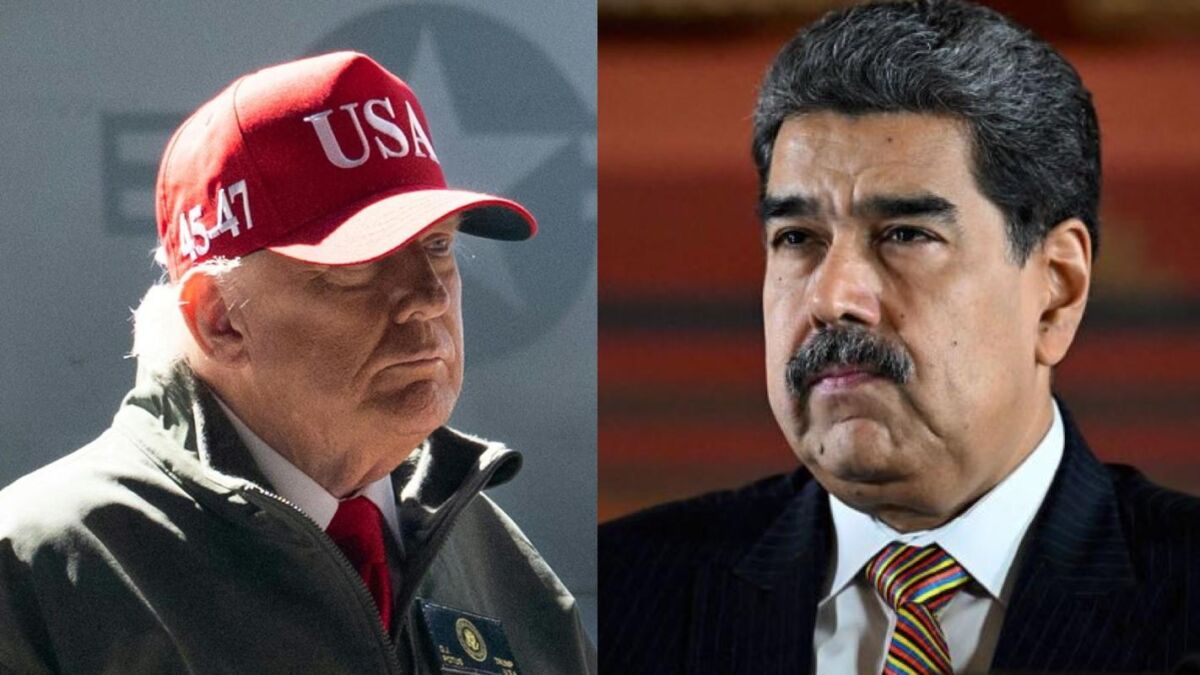
- The United States has announced the arrest and capture of Nicolás Maduro and his wife Cilia Flores, now in the custody of federal agencies responsible for drug trafficking, outside of Venezuela. Venezuela’s Vice President, Delcy Rodríguez, announced in Russia hours ago that the whereabouts of Maduro and his wife are unknown, confirming that there is no contact with them.
- Colombian President Petro has announced an increase in security along the border with Venezuela as a preventive measure and to control refugees. Brazil, on the other hand, has also closed its border with Venezuela.
- Subsequently, the U.S. government—through Secretary of State Marco Rubio—announced that Nicolás Maduro has been captured and will face the respective criminal trials for offenses sanctioned under U.S. law related to drug trafficking and terrorism.
- Internationally, some countries have condemned the U.S. military attack, including China, Russia, Iran, and Brazil. Spain has offered to mediate in the developing crisis.
- The UN has been called to intervene, and several states have requested an urgent meeting of the organization’s Security Council.
- The previous operation is a clear manifestation of the recent National Security Strategy issued by the United States in November 2025 and the relaunch of the Monroe Doctrine in the Western Hemisphere regarding the actions of foreign powers in the geographical area of the Americas.
President Trump’s Conference, January 3.
- Capture of Maduro: Trump officially confirmed that Maduro and his wife were captured and transported out of Venezuela on a U.S. Navy ship, the “Iwo Jima,” heading to New York to face criminal charges..
- Potential Role of Edmundo Gonzales and Corina Machado in the New Administration apparently outside the strategy, lacking the resolved and explicit support of the U.S. government, in this press conference.
- Justification for the Military Operation: Based on the campaign against drug trafficking and terrorism sanctioned by the U.S. government as a threat to its national security.
- U.S. Participation in the Oil Sector: It was indicated that the northern country intends to actively participate and reactivate the Venezuelan oil business, without providing details on what is considered part of this initiative.
- Additional Military Actions: The possibility of further or secondary attacks is not ruled out if stabilization of the internal situation is required, given the still existing secondary capabilities.
What We Do Not Know:
- Who will effectively take charge of politically administering the Venezuelan regime in this eventual and temporary power vacuum? Despite the announcement of a protectorate in charge.
- What will happen to the rest of the chavista regime’s leadership, particularly regarding Interior Minister Diosdado Cabello—the true strongman of the regime—and Defense Minister Vladimir Padrino López?
- What will be the true extent of U.S. participation in Venezuela’s oil economy?
- Is there a possibility of subversive groups emerging within Venezuela that challenge the new administration, as well as the role of the most significant criminal groups and militias operating inside and outside the country?
- Impact on the drug market from the termination of facilities to operate from Venezuelan territory.
- Reaction of the current Colombian government to Trump’s clear messages regarding its conduct in favor of drug trafficking.
Implications for Chile and the Region:
- The importance of understanding the new international scenario in which we are operating, regarding the relevance of international organizations and international law in the peaceful resolution of disputes and its impact on our region.
- What will be the effects of this crisis on the flows and movements of displaced persons and refugees, both regionally and locally? What measures from regional governments could help?
- The need to consider the implications of this particular conflict and the new global scenario in Chile’s national interest, given the increasing competition and confrontation among great powers.
The Anecdotal:
- The operation “Absolute Resolution” and the capture of Nicolás Maduro coincides on January 3 with the day Manuel Noriega was handed over during the “Just Cause” operation carried out 36 years ago, when the U.S. removed the Panamanian leader, also based on reasons related to the fight against drug trafficking.
RECOMMENDED
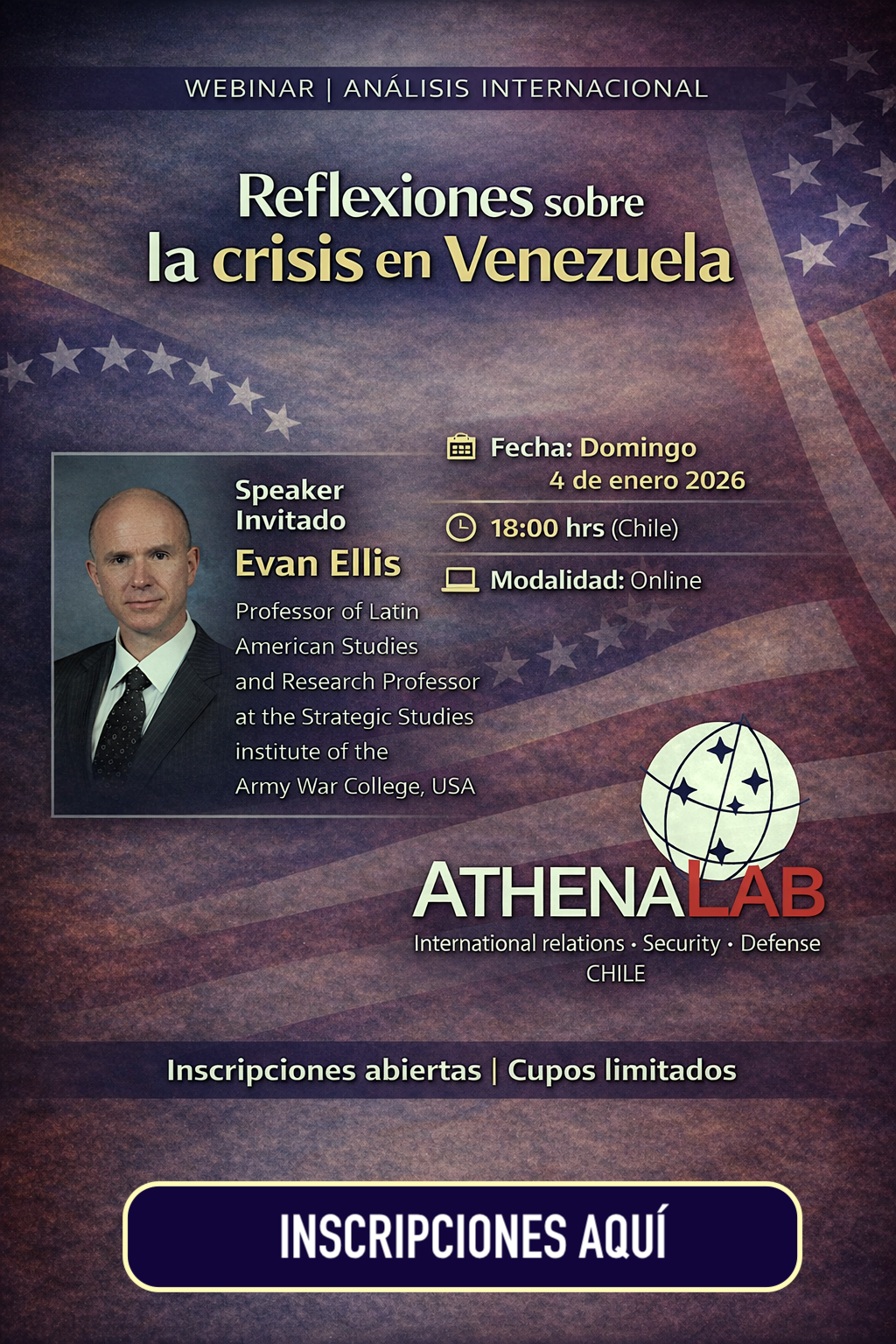
WEBINAR | Reflections on the Crisis in Venezuela – Sunday, January 4 at 18:00 hrs.