DT39 | Strategic Balance in the Middle East: Three Years After Hamas's Attack on Israel
This article was translated automatically and may contain differences from the original. For reference, read the original.
INTRODUCTION
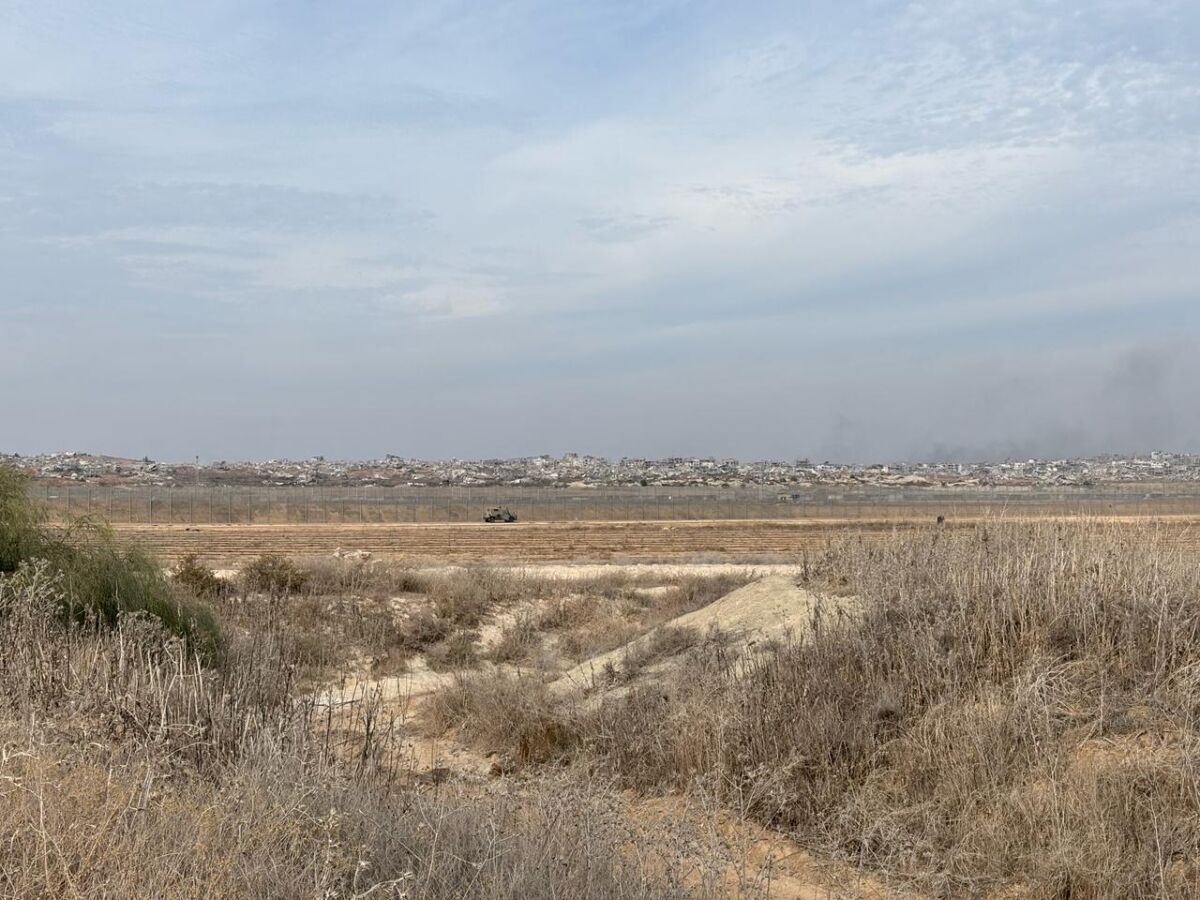
On October 7, 2023, Hamas launched the deadliest attack against Israel since its establishment from the Gaza Strip. Three years after this assault, it is evident that this attack represented more than just a new episode in the prolonged Israeli-Palestinian conflict, as it triggered a series of direct and indirect reactions that ultimately transformed the region. Today, the war directly involves the United States and Iran and has severely affected navigation through the Strait of Hormuz and Bab el-Mandeb. Meanwhile, several states in the region have begun the process of reassessing their security alliances.
During this period, Israel militarily degraded Hamas and Hezbollah, contributed to the fall of Bashar al-Assad’s regime, and attacked Iranian territory three times. In contrast, Iran lost a significant part of the so-called ‘axis of resistance,’ its supreme leader, and a substantial portion of its military leadership. Nevertheless, the regime survived and, with de facto control of Hormuz, obtained a leverage tool that, to date, no one has managed to neutralize. For its part, the United States, which in 2023 sought to contain the escalation, has been involved in a direct military intervention against Iran since February 2026, without having yet achieved the likely political objectives that motivated it.
This document examines the last three years, from the situation prior to the attack to the current position of the main actors, and concludes with some considerations for the international system, the region, and Chile. The analysis is primarily based on what has been published by AthenaLab on the subject between October 2023 and September 2026, with information available up to the latter date.
MARCELO MASALLERAS
Director of Studies, AthenaLab
Document available in Spanish only. English version coming soon.