TODAY WE REMEMBER | Battle of Chacabuco and the Proclamation of Chile's Independence
This article was translated automatically and may contain differences from the original. For reference, read the original.
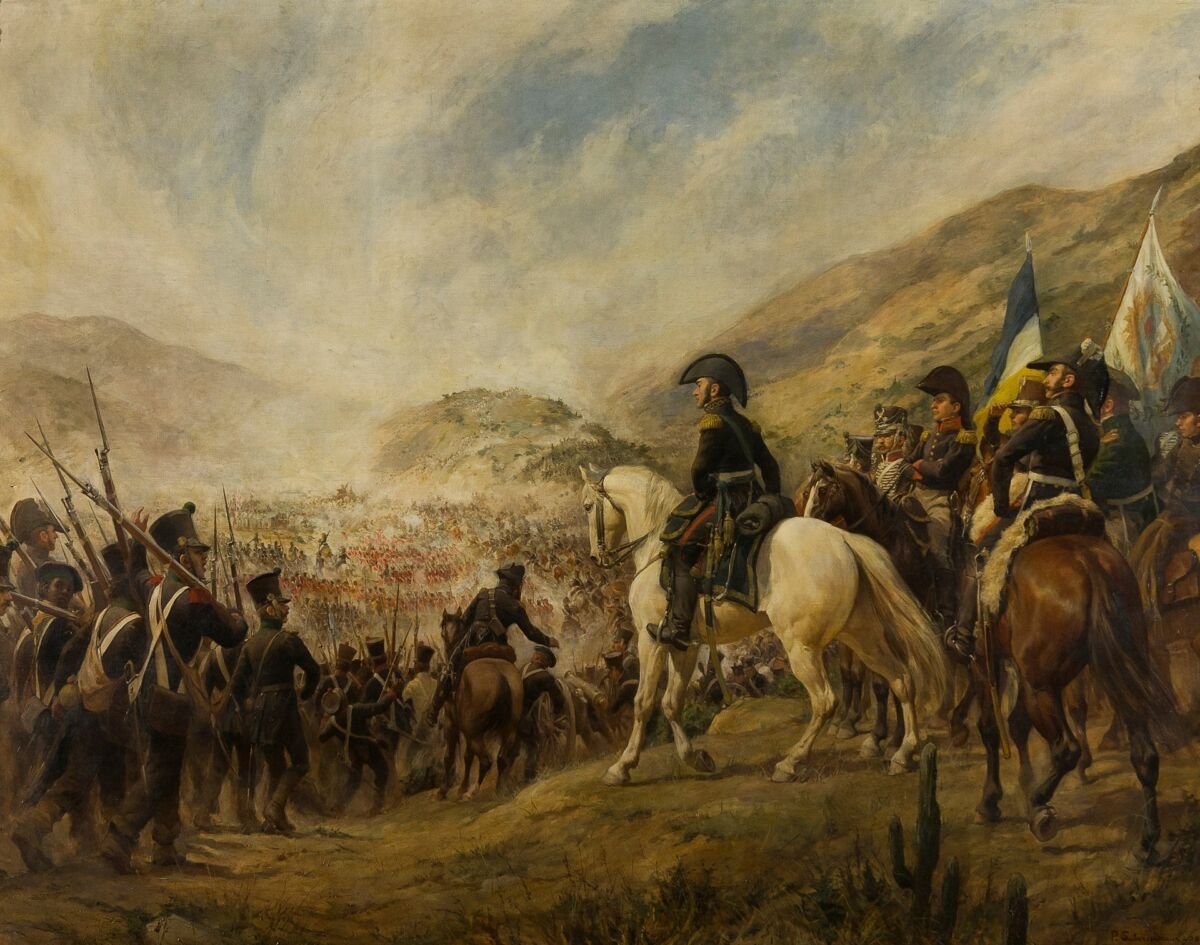
February 12 is a key date in Chile’s history, as it encompasses decisive milestones for the formation of the country. On this day, in 1817, one of the most significant confrontations in Latin American history took place: the Army of the Andes defeated the royalist troops in the Battle of Chacabuco, paving the way for the consolidation of the independence process.
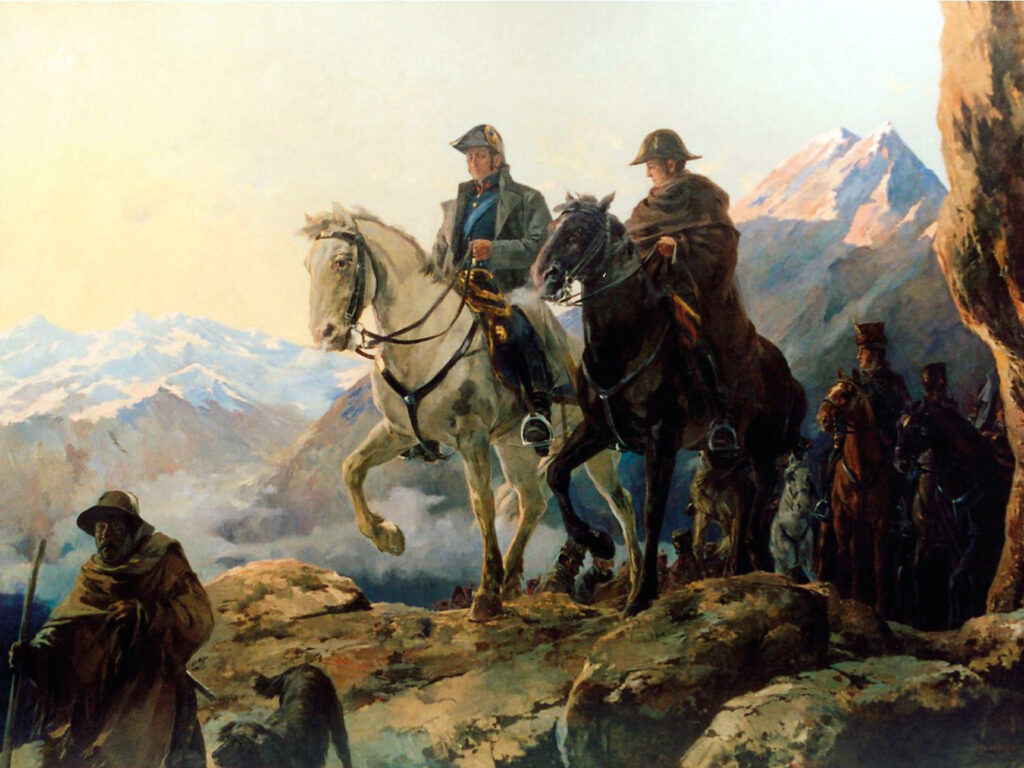
It was General José de San Martín, governor of Cuyo, along with Brigadier Bernardo O’Higgins, who organized the new liberating army that was to confront the troops of the King of Spain. According to the operational maneuver conceived by San Martín, the mountain crossing was executed in six columns (one of which was commanded by the general himself). The Army of the Andes—comprising around 3,600 Chilean and Argentine soldiers—departed from Mendoza in January 1817 and, after overcoming the difficult pass of the Andes, faced and defeated the royalist forces of Colonel Rafael Maroto.
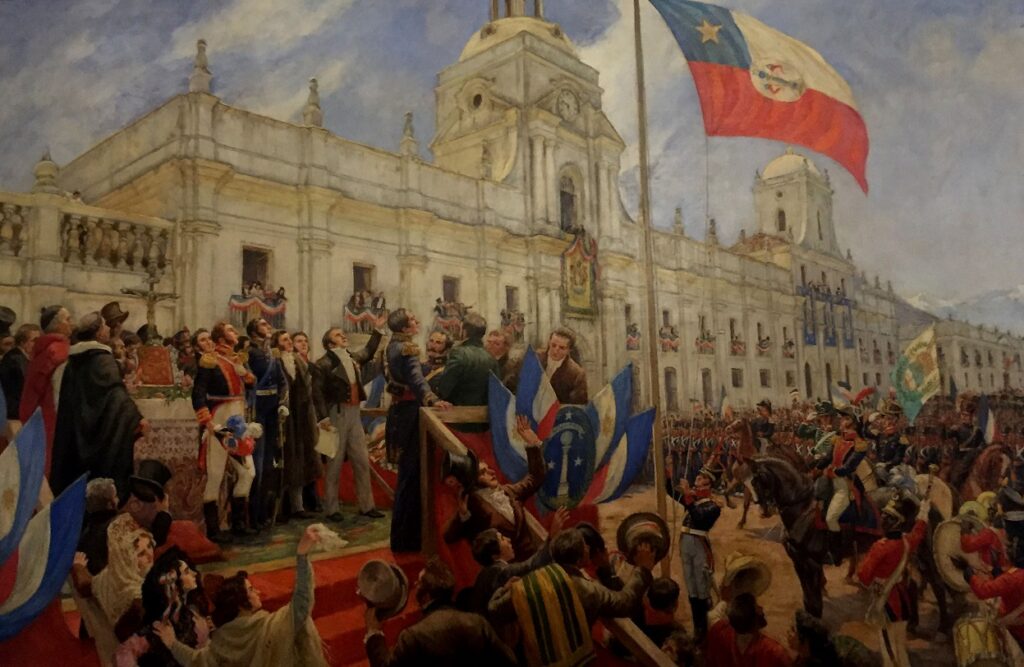
Exactly one year later, on February 12, 1818, independence was proclaimed and sworn in Santiago, Chile. It is worth noting that, also on February 12 but in 1541, Pedro de Valdivia founded Santiago del Nuevo Extremo, a city that would become the capital and the site of the independence oath 277 years later.