The Strategic Relationship Between Chile and Israel in the Field of Defense
This article was translated automatically and may contain differences from the original. For reference, read the original.
The Ministry of Defense issued a statement[1], without explaining reasons, the decision not to include Israeli companies in the upcoming International Air and Space Fair (FIDAE), which will take place from April 9 to 14, has sparked significant controversy, as the decision may have military and diplomatic repercussions for Chile. Below is the analysis from AthenaLab.
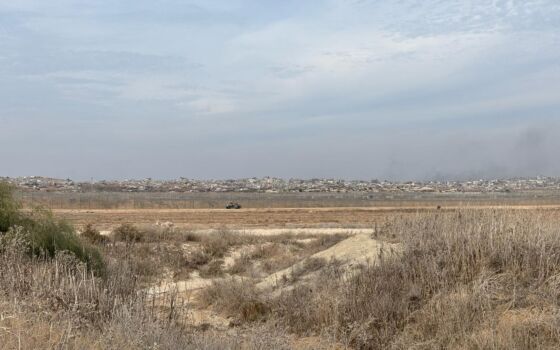
THE CONTEXT. The surprising incursion of the Hamas group on October 7 in Israel resulted in approximately 1,200 deaths and over 100 kidnappings in a spiral of violence that included executions, mutilations, and rapes. Israel responded decisively to what was one of the largest attacks on its territory, launching a large-scale military operation to neutralize the terrorist group operating from the Gaza Strip. Given the urban and densely populated nature of the territory, actions to eliminate the militants have resulted in around 30,000 deaths, according to local authorities, and have caused a humanitarian catastrophe. While the United States and most European countries have expressed solidarity with Israel, reactions from the so-called Global South are rather divided, with strong calls emerging to protect the Palestinian people.
THE SITUATION CONTINUES. President Gabriel Boric, who visited the West Bank in 2018 as a congressman along with ten other legislators invited by the Palestinian National Authority (PNA), expressed from the outset his government’s interest in strengthening ties with Palestine, including the opening of an embassy.
In light of the events of October 2023, his government explicitly condemned the Hamas attacks while also labeling the Israeli military’s “indiscriminate” attacks in Gaza as “barbaric.” Subsequently, he summoned the Chilean ambassador to Israel, Jorge Carvajal, for consultations. Furthermore, attorney Ximena Fuentes was chosen to represent Chile at the International Court of Justice in The Hague in one of the three international legal proceedings related to the Israel-Palestine conflict currently underway. Fuentes stated there that “the systematic violation of international law is part of the State policy (of Israel)” and denounced the “illegal occupation” of Palestinian territories.
Now, a new chapter has opened with the exclusion of Israeli companies from FIDAE, many of which are already suppliers to the Chilean armed forces and have a traditional presence at the largest event of its kind in Latin America. At least nine affected companies have filed a protection request in the Court of Appeals against the Boric Government, claiming that the measure is unconstitutional and arbitrary, reported T13[1].
Ambassador Gil Artzyeli lamented the decision, stating that he is no longer surprised, as he observes the existence of a “negative doctrine” towards Israel. He also added that bilateral relations are “damaged”[2], where the strongest ties are in the military realm, as annual bilateral trade only reaches $250 million[3].
While it should not be incompatible to condemn the Palestinian terrorist organization Hamas and demand respect for international humanitarian law from Israeli forces in their offensive in Gaza, the reality is that President Boric is breaking with a tradition of Chilean foreign policy, which consisted of not importing that conflict to local soil, advocating for a negotiated solution, and valuing the contributions of descendants from both communities who have positively integrated into Chilean society. His predecessor, former president Sebastián Piñera, updated that tradition with the recognition of the Palestinian state in 2011, while always maintaining a positive relationship with Israel.
ARMAMENT SYSTEMS. The Chilean armed forces possess several significant weapon systems of Israeli origin, which have been acquired based on technical requirements, costs, and reliability over time in relations with suppliers.
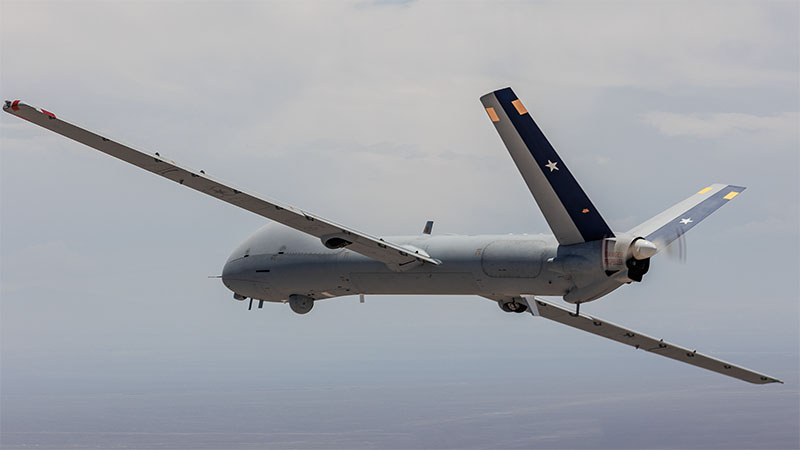
The dependency regarding capabilities varies by force. The main system for the Army is the Torch command and control system (Elbit Systems); Galil ACE rifles (manufactured under license from Israel Weapon Industries); and Spike anti-tank missiles (Rafael Advanced Defense System). For the Air Force, there is the National Satellite System, a $120 million project (Image Satellite International) and Hermes 900 drones (Elbit Systems). Although the Navy has three missile boats built by shipyards in Haifa, their weapon and engineering systems have been replaced by national and European components.
What occurred in the context of FIDAE represents a concern for many reasons. When one purchases a complex weapon system, it is not like going to the supermarket. What is acquired is a strategic relationship with the country of origin, as maintenance and spare parts are associated with it. The future supply of spare parts is anticipated for 10, 20, or 30 years. Then come the modernization of equipment and retraining. Thus, a calculated relationship of dependency is even generated.
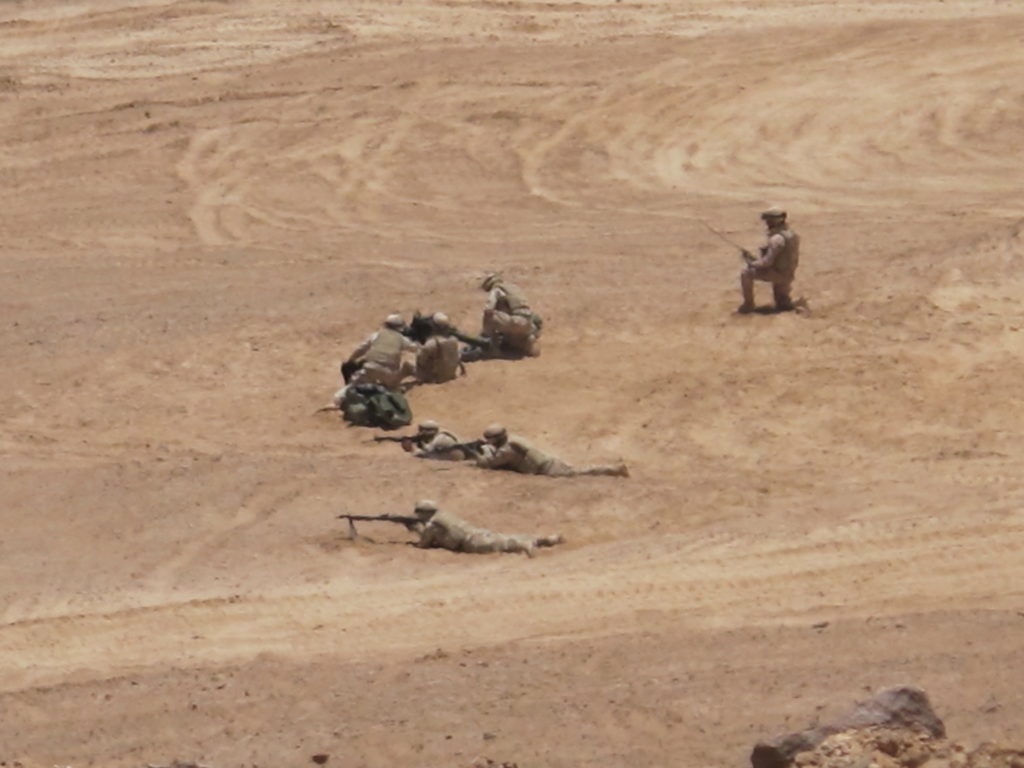
THE ISRAELI MILITARY INDUSTRY. Technological innovation has been a hallmark of the Israeli industry since the country’s founding in 1948, reaching the highest global standards. Undoubtedly, the country’s neighborhood situation explains this, but there is also a public-private culture that fosters the search for original solutions to defense challenges.
Israeli companies were the first to develop observation drones and to equip their combat vehicles with reactive armor. Their missile interception systems, such as the famous “Iron Dome” and the “David’s Sling,” are among the most efficient in the world[4]. Additionally, they possess some of the greatest capabilities to launch offensive operations in cyberspace. Brands like Elbit, Rafael, and Israel Aerospace Industries enjoy a strong reputation in the global arms market and supply military forces in several countries around the world.
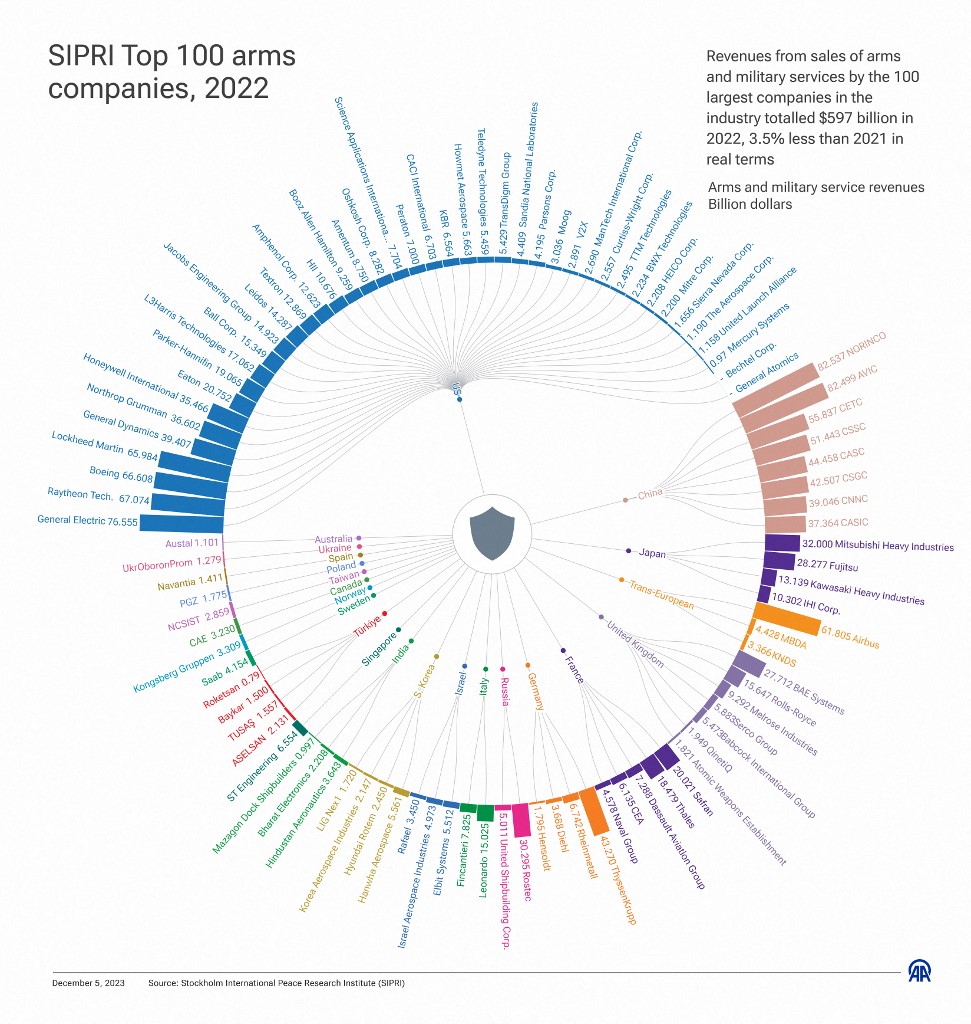
However, Israeli companies are not among the top 30 arms companies in the world by revenue and do not even represent 3% of the global market for manufacturers, according to the Stockholm International Peace Research Institute[5]. Their differentiation has always been based on the quality of their products and innovations that create imbalances on the battlefield.
It is true that FIDAE is just a fair and Chile does not have ongoing projects for major arms acquisitions from Israel on the horizon, but these events serve to explore future business opportunities, investigate, and learn about new technologies with their developers, for example, in the field of border security. Before Israel, the main arms suppliers for the Chilean armed forces are located in the United States, the United Kingdom, France, and Germany.
CONSEQUENCES. By deciding to veto Israeli companies, the Executive should have considered all aspects of the measure, including a potential retaliation from Israel that could pose risks to the country’s security, for instance, by pressuring its companies to sever ties with their local clients. From an ethical standpoint, solidarity with the Palestinian people is understandable given the real suffering they are enduring, but state reasoning is guided by other logics intimately linked to national interest. So far, the Israeli ambassador has indicated that the bilateral relationship is affected, but did not provide details.
It is to be hoped that the Ministry of Defense consulted the Armed Forces about the potential implications of the decision, in order to present their technical and specialized opinion, not a political one. What occurred is very different from the veto on Russian companies during FIDAE 2022, as there is no military equipment from that country in Chile. The other ministry that should also have been consulted for its opinion is the Foreign Ministry, which faces, once again, problems caused by actions that, all indications suggest, come directly from La Moneda.
In Latin America, President Gustavo Petro announced via social media that his government would cease purchasing arms from Israel, despite the fact that the Colombian armed forces also possess material from companies in that country. The Colombian army manufactures Galil rifles under Israeli license and employs M-462 artillery vehicles, while the air force operates Kfir fighters, Hermes 900 drones, and modernizes its Black Hawk helicopters with support from firms from that nation[6]. A similar decision would be a greater mistake.
By importing the Palestinian-Israeli conflict with its decisions, President Gabriel Boric’s government risks generating unintended consequences for the State of Chile, including affecting national security, to the extent that military capabilities may be compromised.
[1] https://www.t13.cl/noticia/politica/israel-presentan-recurso-proteccion-contra-gobierno-boric-por-exclusion-fidae-7-3-2024
[2] https://www.biobiochile.cl/noticias/opinion/entrevistas/2024/03/05/embajador-de-israel-en-chile-y-exclusion-de-la-fidae-es-dificil-decir-que-es-una-sorpresa.shtml
[3] https://www.subrei.gob.cl/docs/default-source/estudios-y-documentos/fichas/israel-anual.pdf?sfvrsn=d5b666d9_6
[4] https://www.athenalab.org/analisis-defensa-antiaerea-y-antimisiles-como-enfrenta-israel-a-hamas/
[5] https://www.sipri.org/visualizations/2023/sipri-top-100-arms-producing-and-military-services-companies-world-2022
[6] https://www.elcolombiano.com/colombia/ruptura-con-israel-genera-riesgo-para-la-seguridad-y-defensa-de-colombia-gobierno-petro-IO22686817