Ukraine, One Thousand Days: Reasons It Still Matters
This article was translated automatically and may contain differences from the original. For reference, read the original.
- by Paz Zárate
- Analysis
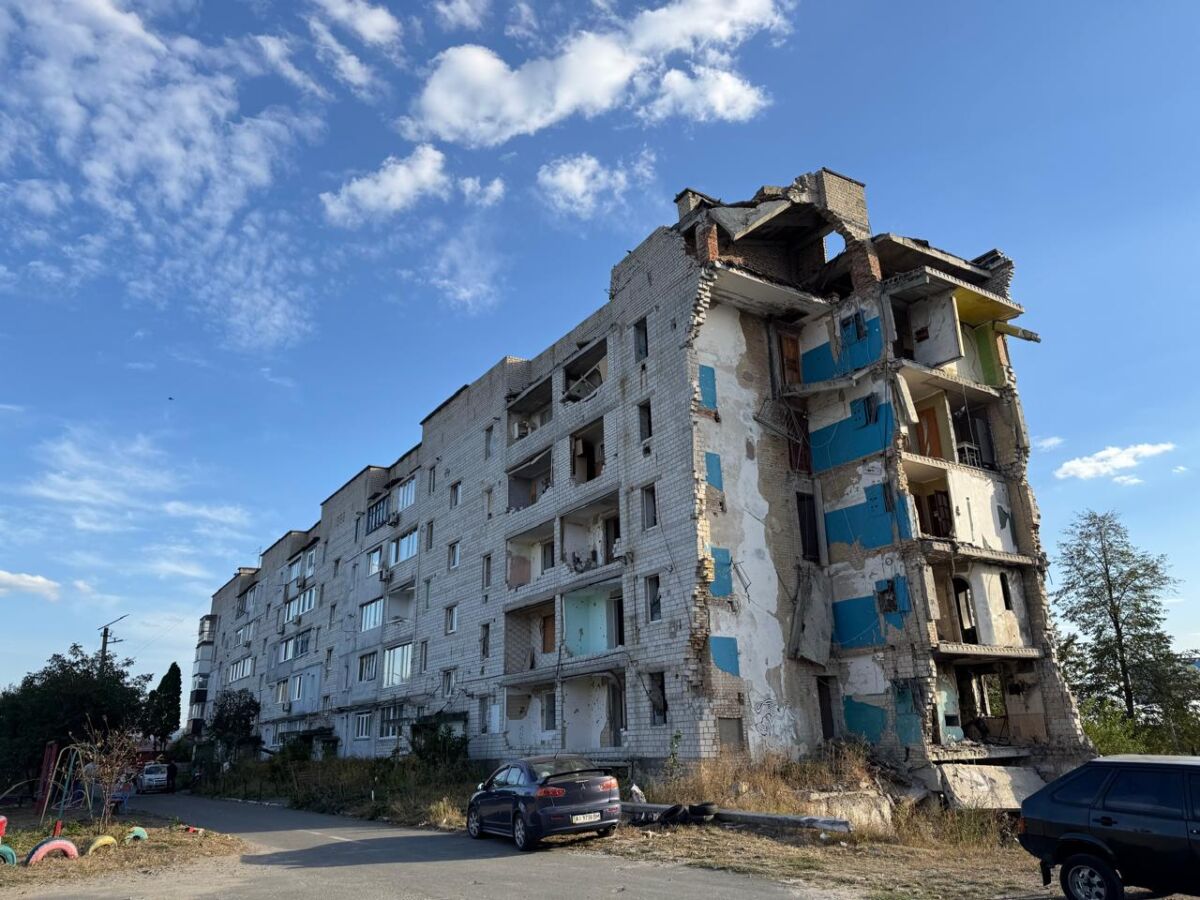
Amid the turmoil of the expanding crisis in the Middle East, the attempts by European countries to contain the rise of the far-right, and the imminent presidential election in the United States, Ukraine seems to have been relegated to a near media oblivion, despite the fact that the course of the war generates headline material.
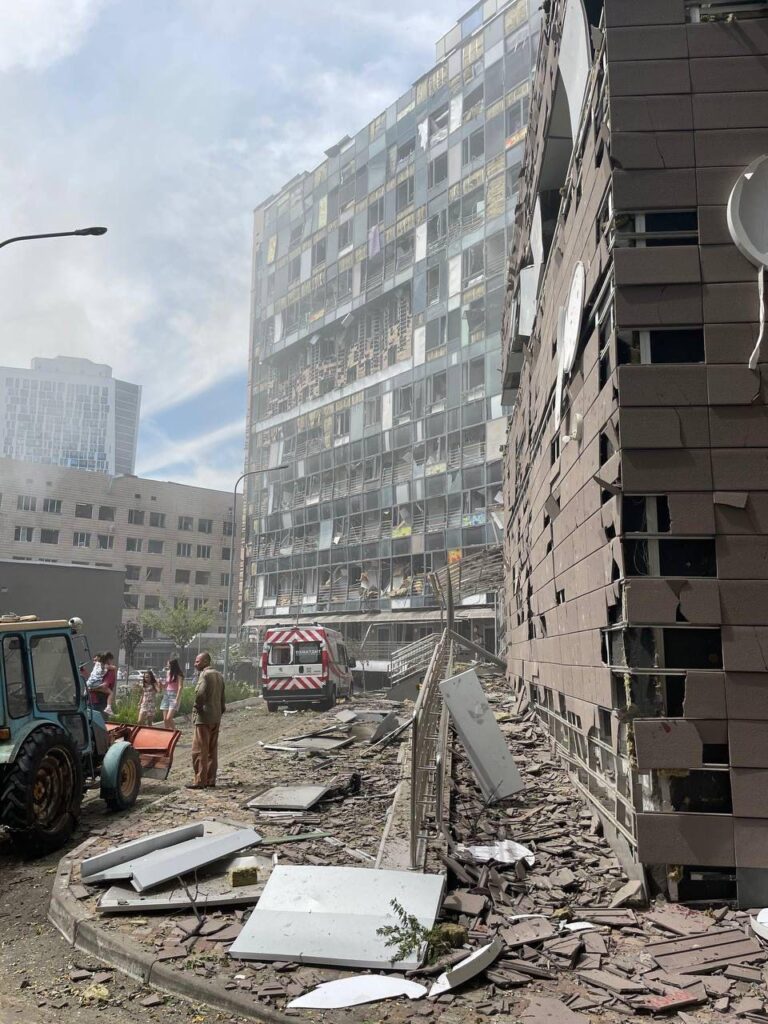
Almost one thousand days since the start of the large-scale Russian invasion, President Vladimir Putin is advancing in eastern Ukraine while bombarding the rest of the country day and night. He terrorizes the population by attacking quintessential civilian targets with missiles and drones, such as the main national children’s hospital. He poisons watercourses with chemical waste, committing ecocide that exterminates not only crops but entire flora and fauna over vast areas. He destroys critical infrastructure, making the third winter of this war even more deadly for Ukrainians due to a lack of potable water, food, electricity, and heating. Meanwhile, in Russia, he murders his opponents and various dissidents with total impunity, and pursues and imprisons foreign journalists for doing their jobs. He undertakes all this with increasing ease, as the world no longer seems to be watching his crimes.
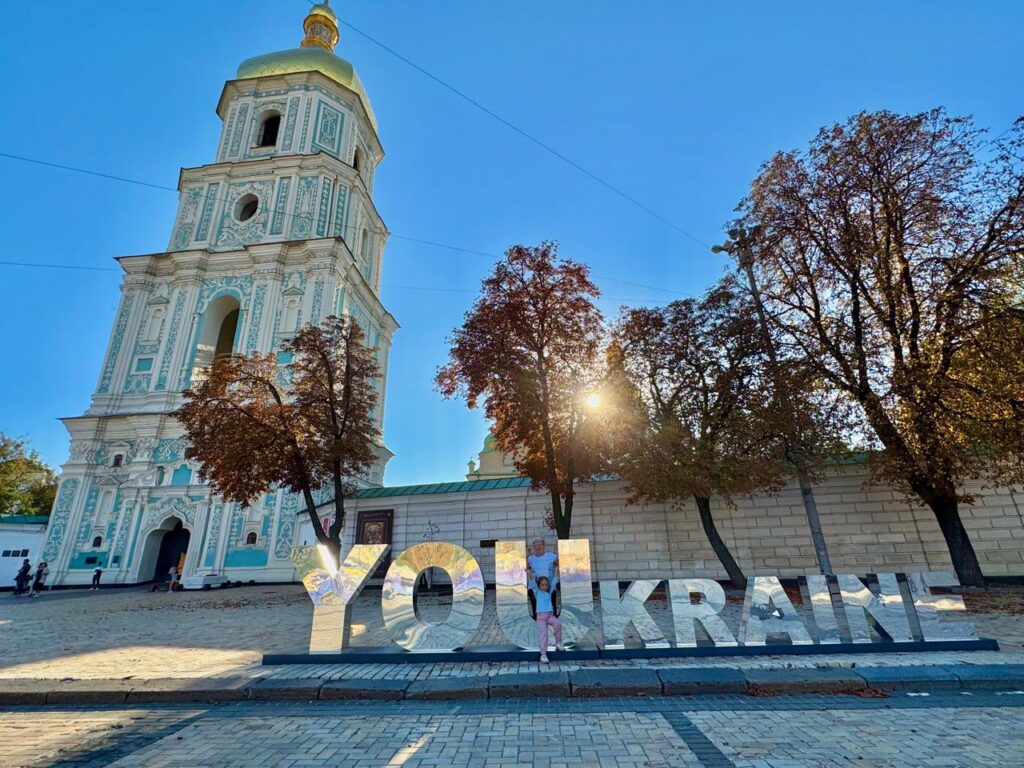
In the face of global indifference, last September, the same month the UN General Assembly was held, Russia conquered more Ukrainian territory than in any month since March 2022. The Ukrainian territory, by the way, is reduced to rubble and barren land before being occupied by Putin.
So why doesn’t Ukraine cede this eastern region (the Donbas) to Putin in exchange for peace? There is a powerful reason: the war in Ukraine is not a territorial conflict. Putin’s ultimate goal is not simply to seize natural resources, but to subsume entire nations, one by one, under a model of imperial Russia, resorting to terror to achieve this. The type of crimes committed by his army while occupying Ukraine indicates that the aim is the annihilation of the Ukrainian people and their identity. This explains the indiscriminate killings, the torture centers to inflict unimaginable abuses, the mass kidnapping of children, and the false “elections” in favor of annexation to Russia that Russian soldiers organize in the Donbas, pointing weapons at voters while handing out and collecting ballots. Given the nature of this war, it is impossible for Ukraine to stop fighting: to cede would be to cease to exist.
The contest, then, is highly unequal. Russia bets on a long-term strategy, able to send poorly or untrained young recruits to the front, as well as criminals released from prison in exchange for pardons, and even North Korean soldiers. The number of dead or wounded Russian nationals exceeds 600,000, according to figures from Western sources; and Putin seems willing to sacrifice thousands more. Ukraine, for its part, even with Western aid, is merely surviving: its forces, much smaller than Russia’s, bleed daily in a war of attrition; and many civilians die daily due to airstrikes across the country.
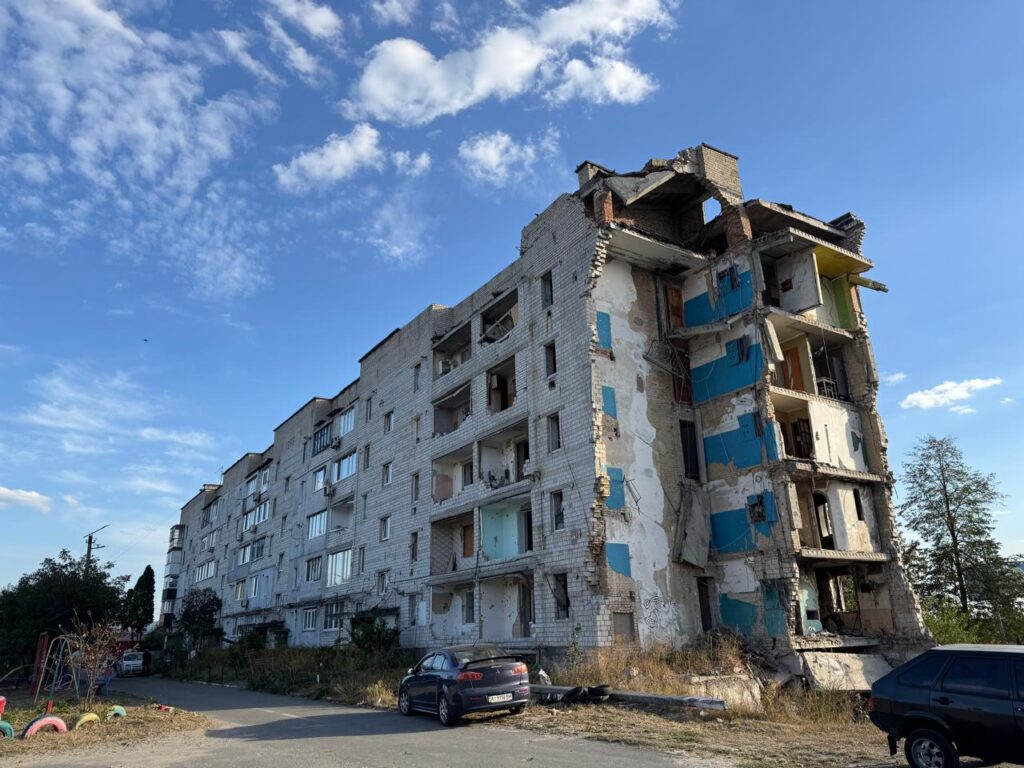
The combined support of Western countries today is not enough to tip the balance in favor of Ukraine: it only allows for maintaining a resistance, while time runs in favor of Russia. By the way, the support that is lacking, which forces Ukraine to cede ground unnecessarily, does not only mean weapons or high-tech elements, of course. Ukraine today needs things as mundane and simple as ambulances, food rations, prosthetics for its amputees, and help to de-mine its fields, so that its citizens can return to working the land without fear of losing their limbs.
And what about peace negotiations? For Ukraine, they can hardly advance while its existence is at stake. For the Kremlin, there is no interest, as it stands to gain in any scenario: it maintains, in principle, its vast territory and could also permanently retain a good part of the fertile land next door. Putin would only negotiate if it were undeniable that he is losing, and he knows that time is an ally of his triumph.
Now, it must be clear that the fact that Ukraine continues to exist as such is not merely a matter of principles of international law, or of compassion in the face of the humanitarian disaster that per se the war brings. A victory for Putin in Ukraine does not simply mean seizing a few provinces here or some resources there. It means a deepening of the retreat of democracy. His allies are dictatorships that commit crimes against humanity; in Latin America, Venezuela, Cuba, Nicaragua, or democracies on the brink of coup d’état, like Bolivia.
A victory for Putin in Ukraine will concretely mean new wars of conquest led by the Russian leader and his partners on all continents, affecting investments and trade, including our region (Venezuela has already redrawn the South American map in recent months, administratively annexing two-thirds of the rich but unprotected neighboring country, Guyana; now it only needs to put soldiers there).
And finally, a victory for Putin in Ukraine will mean the most profound dismantling of the international structure created in 1945 to prevent World War III. Russia is attempting to use the fear of nuclear escalation as a weapon; and this could lead to a new era of global nuclear proliferation.
The precedent set by the war in Ukraine is crucial for the future of the world. Therefore, helping Ukraine is not a matter of ‘goodness’ or compassion, but of strategic interest in the stability of the borders established globally, regionally, and locally (Russia and Bolivia signed a broad alliance three months ago, which includes the establishment of institutes for teaching Russian throughout Bolivian territory).
Threats will also multiply in our region and even in our immediate neighborhood if Russia is not contained.
Disinterest in preserving Ukraine? Ignorance and blindness, with high subsequent costs.
Paz Zárate, Senior Researcher at AthenaLab
Kyiv, October 2024