What Comes After the Agreement and Ceasefire Between Israel and Hamas?
This article was translated automatically and may contain differences from the original. For reference, read the original.
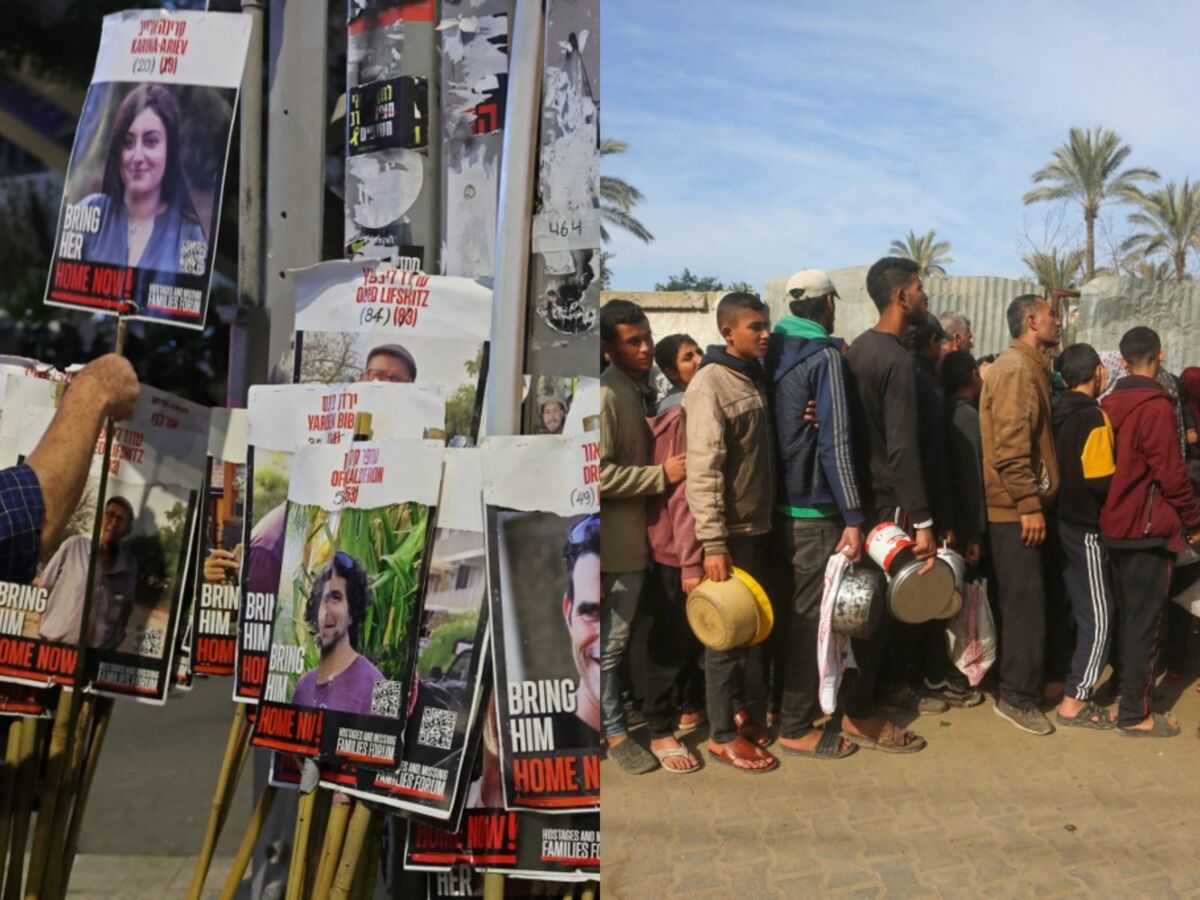
The conflict in the Middle East may have entered a long-anticipated pause, thanks to the agreement and ceasefire reached between Israel and Hamas, marking the latest stage of their protracted confrontation, which began after the massive attack by the Palestinian militia. Given the regional and global implications of the conflict, it is prudent to review how this point was reached, then describe the main aspects of the truce, and conclude with some reflections on what lies ahead in the conflict.
- Path of the Conflict
10/7/2023 | The attack, involving around 3,000 fighters from Hamas and the Palestinian Islamic Jihad, along with hundreds of civilians from Gaza, can be considered a highly planned, coordinated, and executed military action. This true “limited terrorist invasion” involved troops from the al-Qassam brigades with a high level of training, often equivalent to that of Western special forces. Similarly, various distraction tactics and different means of infiltration (land, air, and sea) were employed, in addition to the firing of over 3,000 rockets. The result of the terrorist action, which surprised Israeli intelligence and armed forces, resulted in over 1,200 deaths and more than 220 people kidnapped, according to reports from Israel.[1].
Israel’s response was felt from the very same day. Initially, its armed forces and security system focused on regaining control of its territory and eliminating any immediate threat. Simultaneously, airstrikes began on various targets within the Gaza Strip. The Israeli government formed a cabinet to address this crisis, with Prime Minister Benjamin Netanyahu continuing to lead the government and defining political objectives to achieve the destruction of Hamas to prevent it from remaining a threat to the State of Israel and to recover all captured hostages. In this initial military phase, in addition to continuing air actions, artillery attacks, special forces operations, and intelligence gathering were added; the mobilization of 300,000 reservists; planning for future operations; and the concentration of resources to launch an offensive on the Gaza Strip, while maintaining forces deployed in the West Bank and northern Israel in response to the ongoing threat from Lebanon.[2].
10/8/2023 | The day after the attack, Hezbollah—showing solidarity with the action carried out by Hamas—resumed launching rockets and missiles into Israeli territory, leading to the subsequent displacement of around 65,000 people, according to the Israeli government.
10/27/2023 | Israel launched a ground offensive in what it termed “Operation Iron Sword.” The operations initially focused on the northern part of the strip, isolating different sectors to progressively attack and eliminate Hamas forces from north to south. This approach to the conflict resulted in the displacement of nearly two million civilians within Gaza, in addition to over 45,000 deaths, according to political authorities in the strip.[3].
10/24/2023 | A seven-day ceasefire agreement was reached, resulting in the release of 105 hostages of various nationalities, 240 Palestinian prisoners held in Israeli jails, and allowing humanitarian aid access from Egypt.
4/1/2024 | Israel carried out an airstrike on the Iranian consulate in Damascus (a complex that includes diplomatic facilities), where General Mohamed Reza Zahedi of the Iranian Revolutionary Guard was killed, along with six others.
4/13/2024 | In retaliation for the attack in Syria, Iran launched an offensive—the first direct one against Israel from its territory—using 120 ballistic missiles, 170 drones, and around thirty cruise missiles, with its allies in Gaza, the West Bank, Lebanon, and Yemen joining in. As a result of the attack, there were no significant infrastructure damages, and only a seven-year-old Bedouin girl was reported injured, according to information provided by the Israeli government.
7/30-31/2024 | The military chief of Hezbollah, Fouad Chokr, was killed in Beirut, and in Tehran, the political leader of Hamas, Ismail Haniya, also died.
9/17-18/2024 | Thousands of explosions from communication devices—beepers and portable radios—used by Hezbollah members in Lebanon occurred.
9/27/2024 | As a result of an Israeli airstrike, Hezbollah leader Hassan Nasrallah was killed near Beirut.
10/1/2024 | Iran launched a second attack on Israel, using over 200 missiles in retaliation for the deaths of Hezbollah leaders. No fatalities were reported.
10/7/2024 | Yahya Sinwar, the military leader of Hamas and mastermind of the October 7, 2023 attacks, was killed in combat against Israeli troops.
10/26/2024 | Israel launched an airstrike on Iran in response to the missile launches in early October, targeting both military facilities and others related to technological development, destroying significant Iranian air defense systems.
10/27/2024 | A ceasefire agreement between Israel and Hezbollah came into effect, which has been fragile, with mutual accusations regarding its breakdown.
12/8/2024 | Damascus fell, and the government of Bashar al-Assad in Syria came under the control of insurgent groups. Israel attacked land and maritime targets, in addition to occupying advanced positions in the Golan Heights within Syrian territory.
- Ceasefire Agreement Achieved
The current agreement is the result of negotiations led by Qatar with the assistance of representatives from Egypt and the United States. It is also a product of military operations on the ground and internal pressures in Israel aimed at the release of hostages held by Hamas, from families, the general public, and political parties. It is also estimated that this agreement was facilitated by the implementation of the previously mentioned ceasefire between Israel and Hezbollah—another relevant actor in the regional conflict—as well as by the imminent assumption of power by the next president of the United States, Donald Trump, who expressed that a high price would be paid if the hostages were not released at the beginning of his term.
This agreement, based on revelations from negotiating representatives from Qatar and statements from U.S. President Joe Biden, will consist of three phases, with the ceasefire beginning on January 19 of this month, according to Qatari Prime Minister Mohammed Bin Abdulrahman Al-Thani.
First Phase: Six-Week Truce
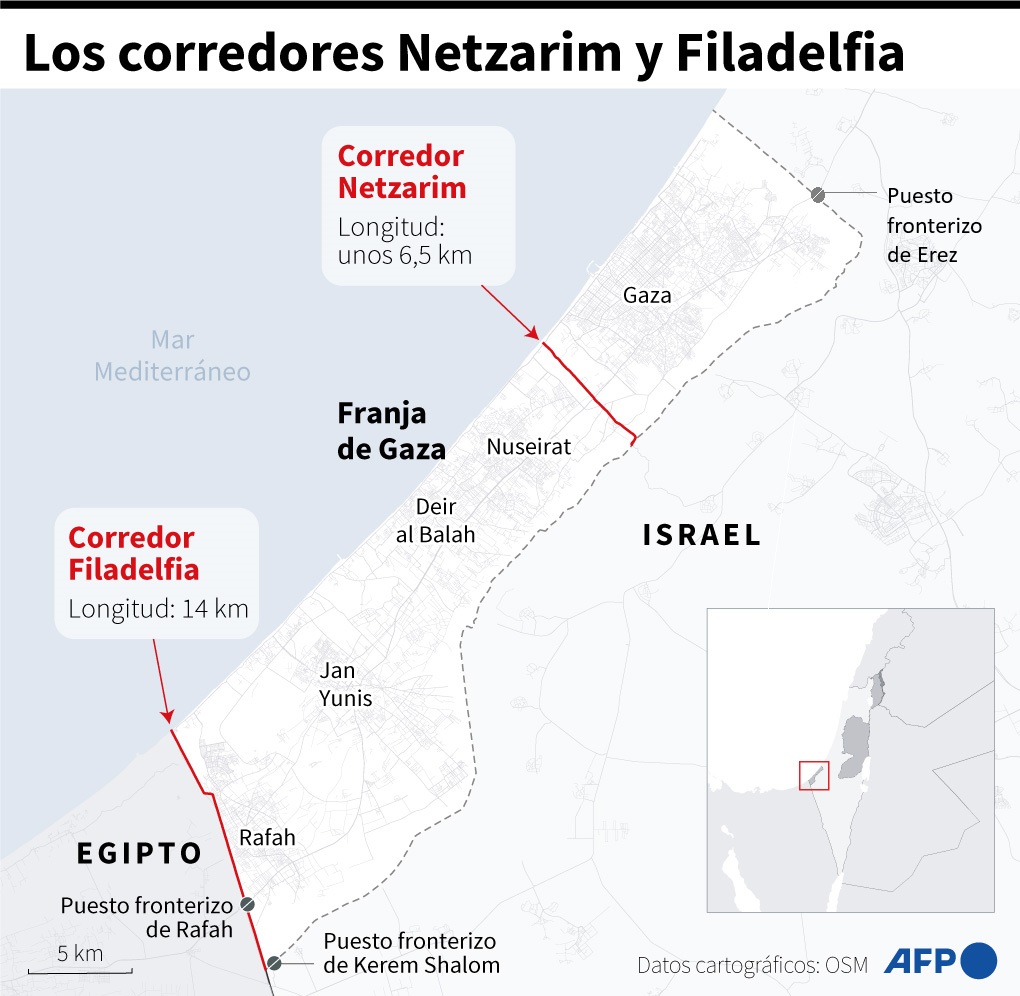
In this stage, Hamas will release 33 of the kidnapped hostages. This action will occur in a staggered manner, prioritizing children, women, and men over 50 years old, as well as the injured and sick. On the other hand, Israel will maintain military control over the Philadelphi Corridor, which marks the border between Gaza and Egypt, and will allow the gradual opening of the Rafah crossing between Egypt and Gaza for the exit of sick and injured Palestinians for medical assistance.
Additionally, it is expected that Israel will release several dozen Palestinian prisoners for each hostage released, although it is unknown if the delivery of the bodies of key deceased Hamas leaders, such as Yahya Sinwar, will be part of this phase. It is also anticipated that some of the military-age hostages will be subject to negotiated release for later, depending on the development of the process, which considers a second round of negotiations 16 days after the ceasefire.
One of the central aspects of this first phase will be potential agreements regarding corridors and border crossings in Gaza, as well as protocols to channel urgent international humanitarian aid to the Gaza Strip.
The approval of this agreement, beyond what has been agreed upon by the negotiating teams, will require ratification by the Israeli security cabinet and government for it to take effect.
Second Phase: Ending Military Engagement or Operations
During this period, it is estimated that negotiations for a permanent end to operations will begin, according to U.S. sources. It can also be inferred that this phase should address issues such as the release of the remaining hostages defined as of military age and the recovery of the bodies of deceased hostages. For its part, Israel may announce the release of higher-value prisoners who may potentially be serving sentences; what is at stake and open to negotiations will be to specify their number. Similarly, it is expected that the total withdrawal of Israeli troops from the Gaza Strip will be contingent upon the total release of hostages held by Hamas, as well as the bodies of deceased captives in the possession of that group. If successful, it is considered to establish security zones along the eastern part of the Gaza Strip, as well as its northern margin at the border with Israel. These security zones would be 800 meters wide and would extend from the northern border with Israel, along its eastern limit, to touch the Philadelphi Corridor at the southern end.
It is relevant to consider that the Gaza Strip—home to 2.3 million inhabitants within 365 km2—is 50 km long and varies in width from 6 to 12 km. This geographical extension has different corridors: the southernmost, at the border with Egypt, is called the Philadelphi Corridor, which is about 100 meters wide and extends 14 km, where the Rafah crossing connects Gaza with Egypt. The division of the Gaza Strip between north and south is established by the Netzarim Corridor, which is 6.5 km long and currently 4 km wide. At the northern end of Gaza, there is a 10 km stretch that separates Gaza from Israel, where the Beit Hanoon crossing, known as Erez to Israel, is located, managed by the Israeli defense forces and 100 km from Jerusalem.
Third Phase: Reconstruction and Administration of Gaza
This stage is considered very important, as it must resolve which organization—if any Palestinian one—will take charge of the political administration of Gaza, since it is clear that Hamas will not be viable in doing so nor would it be acceptable to Israel. On the other hand, the Palestinian National Authority also does not enjoy Israel’s favor, as it currently administers the territories in the West Bank.
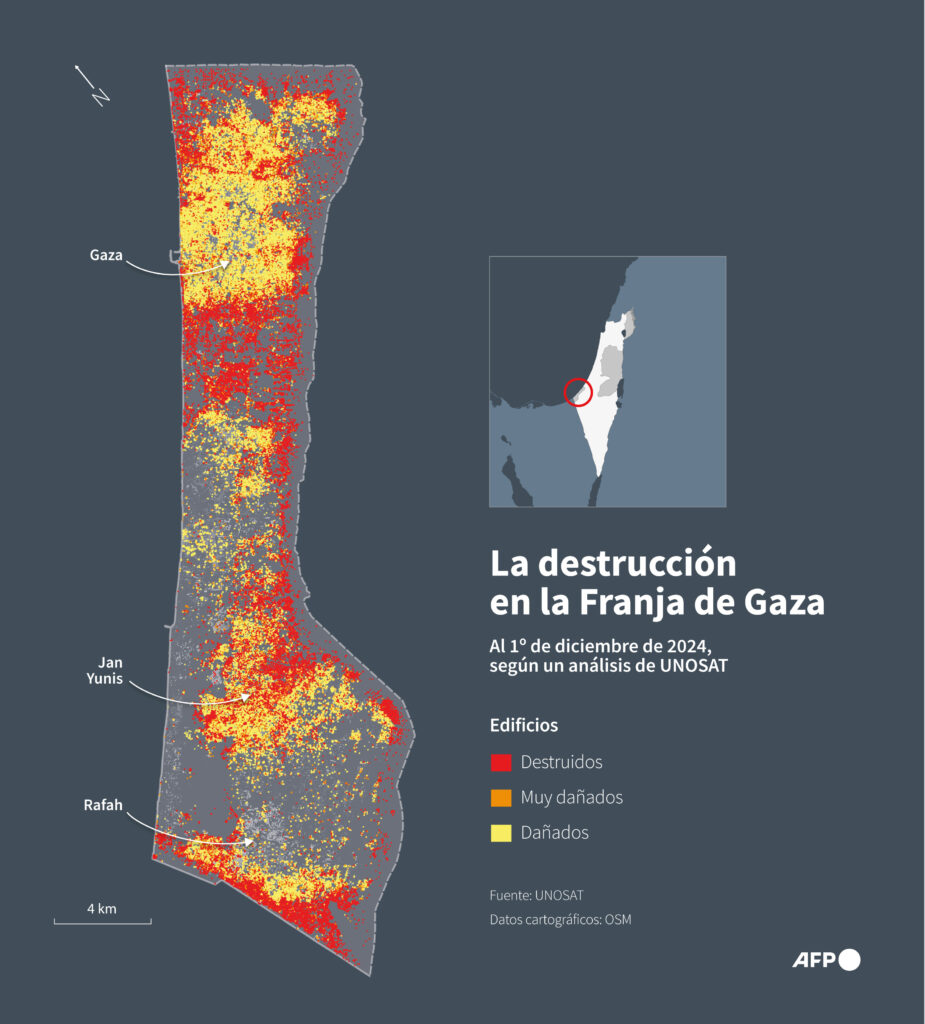
One of the solutions proposed by the international team supporting the talks is a provisional administration to govern Gaza and enable the initiation of a reconstruction plan for the currently destroyed infrastructure in the Strip. This plan will focus on first rebuilding essential and vital services to meet the needs of the population.
- Potential and Probable Implications
- One of Israel’s main strategic objectives in the war is to destroy Hamas’s military and governance capabilities. To date, Israel has significantly degraded its military means, although it is estimated that some capabilities still exist that would allow the militia to regroup and potentially operate again in the future.
- Hezbollah’s ability to continue supporting Hamas’s efforts has been seriously affected, as has the significant aid from Iran, both materially and through its ongoing support for the degradation of Israel on various fronts.
- Regarding the living and deceased hostages, there is no accurate and detailed information about them, nor is it known if Hamas is in a position to know the whereabouts of all of them. This is based on the probable separation by different cells in the operation, retention, and captivity of the kidnapped individuals.
- Regarding the prisoner exchange, it could be estimated a priori that all those detained for their participation in the October 7 attack would be excluded from negotiations.
- One aspect to consider will be the potential permanence of these strips and border corridors with Israel (security and control areas/zones).
- Looking back with the advantage of time, the outcome of the October 7, 2023 attack exceeded what the Palestinians expected and was far more than what was convenient for Iran and its sponsored militias (proxies).
- The October 7, 2023 attack changed the geopolitical and strategic landscape in the Middle East, as after 16 months, Hamas is severely weakened, Hezbollah has been decapitated, and its forces are greatly diminished, although they maintain operational capabilities. Iran lost much of its air defense capabilities, not to mention that it has been unable to strike Israel in either of its two air attacks and has been limited to observing the fall of an allied regime in Syria.
- Today, the Middle East is in a critical situation where there are good prospects for stabilization, but at the same time, great fragility and alternatives for extending and escalating the conflict again.
- The weakening of Israel’s image and position in the international arena reaffirms the idea that the humanitarian dimension of war is key in current conflicts.
- Nonetheless, it is estimated that the current peace agreement is characterized by its fragility and high likelihood of being affected by potential actions from either side in the conflict zone.
[1] Ephrat Livni, “How Many Hostages Remain in Gaza, and When Could They Be Released?” New York Times, January 16, 2025. Available at: https://www.nytimes.com/2025/01/15/world/middleeast/israel-hostages-gaza-hamas.html#:~:text=When%20Hamas%20led%20the%20Oct,the%20attack%2C%20Israeli%20officials%20said
[2] John Griffiths, Marcelo Masalleras, “A Month into the Israel-Hamas Conflict: The Dilemma of Escalation.” AthenaLab, November 8, 2023. Available at: https://www.athenalab.org/noticias/2023/11/08/analisis-a-un-mes-del-conflicto-israel-hamas-el-dilema-de-una-escalada/
[3] John Griffiths, Marcelo Masalleras, “One Year Since the Massive Hamas Attack on Israel.” AthenaLab, October 3, 2024. Available at: https://www.athenalab.org/publicaciones/2024/10/03/comentario-un-ano-desde-el-masivo-ataque-de-hamas-a-israel/