Bolivia on the Edge: Between Political Fragmentation and Economic Model Exhaustion
This article was translated automatically and may contain differences from the original. For reference, read the original.
- por Juan Pablo Toro
- Análisis
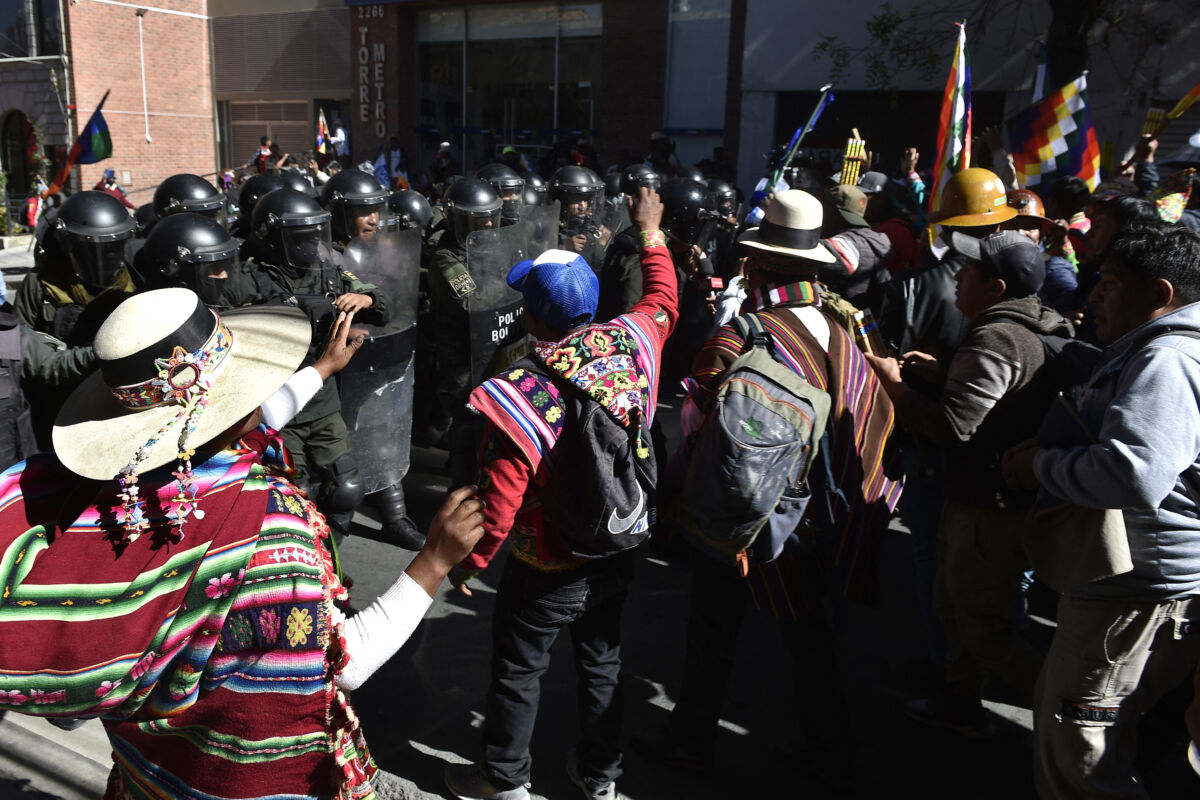
Nestled in the geographical heart of South America, Bolivia is undergoing a period of political turmoil and economic crisis that impacts the ongoing electoral process to renew the country’s highest authorities this year.
The prevailing instability is conducive for criminal groups based in the world’s third-largest producer of cocaine to expand their activities, as well as for extra-regional actors to seek to influence the internal agenda and protect their assets on the ground.
As a neighbor of Chile, with which it shares 860 kilometers of non-linear borders and faces ongoing challenges such as territorial claims and, more recently, irregular migrant flows, the situation in Bolivia demands particular attention.
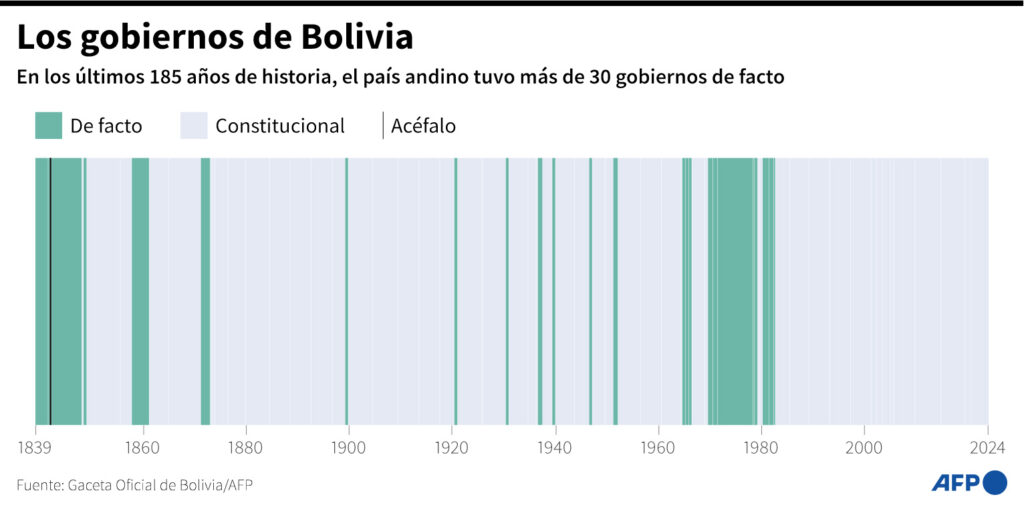
POLITICAL FRAGMENTATION. The current political situation must be understood in light of events in 2019, when then-President Evo Morales resigned after 20 days of protests for committing fraud in the elections to secure a fourth term, as determined by the Organization of American States mission[1], and following the suggestion of the Armed Forces. The leftist leader sought to extend his 13 years in power, which had already made him the longest-serving ruler in his country’s history.
After a brief vacancy, the second vice president of the Senate, Jeanine Áñez, assumed the head of state in place of Morales, who left for abroad. Her administration, which lasted until November 8, 2020, focused on redirecting the democratic process by organizing elections, which were won by the current president, Luis Arce, of the Movement for Socialism (MAS).
However, Arce’s clear victory with 52% of the votes did not signify a return to the lost political stability. Morales quickly shifted from celebrating the technical profile of his former Minister of Economy to questioning the marginalization of his allies in the new government. Criticism and accusations followed, culminating in the open rupture between the former president and his successor, leading him to leave the MAS—the most structured party in the country—and unsuccessfully attempt to position himself as a presidential candidate for this year. Meanwhile, Áñez was arrested under accusations of orchestrating a “coup d’état” in 2019.
Morales, who built his leadership by mobilizing coca leaf growers, resumed old practices of blocking roads to pressure the government. According to Arce himself, the blockades by Evo’s supporters in 2024 caused losses amounting to billions of dollars[2].
Last year, the president was also the target of an apparent coup attempt when the head of the Army arrived at the Palacio Quemado in La Paz to request the president’s resignation in a televised dialogue, which was not accepted. Later, General Juan José Zúñiga, now detained, claimed that it was all part of a setup to strengthen Arce’s image before the public.
In this context, the current process of general elections has reached a point, with the first round scheduled for August 17, and a possible second round on October 19. In fact, last week marked the official closure of the period for registering candidacies, which left the preliminarily registered formulas. Although he desired it, Morales was unsuccessful in registering his candidacy due to issues with his party’s legal status, while Arce declined to run for re-election given his low popularity. Meanwhile, the young president of the Senate and another dissident from the MAS, Andrónico Rodríguez, initially insisted on competing for the Popular Alliance but later began exploring new political partnerships. Thus, the landscape remains for now, as the Supreme Electoral Tribunal will publish the final list on June 6:
- Eduardo del Castillo – Milán Berna (Movement for Socialism, MAS).
- Jorge “Tuto” Quiroga – Juan Pablo Velasco (Free Alliance).
- Samuel Doria Medina – José Luis Lupo (Unity Alliance).
- Manfred Reyes Villa – Juan Carlos Medrano (Autonomy for Bolivia – Join Us).
- Rodrigo Paz – Edman Lara (Christian Democratic Party).
- Jhonny Fernández – Felipe Quispe (Alliance The People’s Force).
- Paulo Rodríguez Folster – Antonio Saravia (Freedom and Progress).
- Jaime Dunn – Edgar Uriona (New Patriotic Generation).
- Eva Copa – Jorge Richter (National Renewal Movement, Morena).
- Andrónico Rodríguez – Mariana Prado (Popular Alliance).
The scenario undoubtedly reflects the high fragmentation of the political spectrum. The MAS has former Security Minister Eduardo del Castillo as a candidate, but competing from the left are Rodríguez, Fernández, and Copa; while all others would fall on the right and center-right, with the strongest names being businessman Samuel Doria Medina, former president Jorge Quiroga (2001-2002), and regionalist leader Manfred Reyes Villa.
All of the above anticipates the most fractured and potentially conflictive elections in Bolivian democracy in the 21st century. A March survey[3] showed Rodríguez leading with 18%, closely followed by Doria Medina, Quiroga, and Reyes, all positioned between 17% and 13%. While the second round, as a mechanism, helps to clear uncertainty, the existing fragmentation will be reflected in the composition of the next Congress (36 senators and 130 deputies). It is also very concerning that Morales is fully willing to continue fueling the current unrest through extra-institutional channels. Arce directly accuses the former president of wanting to “destabilize democracy” with the wave of marches demanding his resignation. But above all, it is the disintegration of the MAS, as the most organized force the country had for nearly two decades, that increases the likelihood of worsening the governance crisis.
ECONOMIC CRISIS. A major factor explaining social discontent, which manifests in continuous protests against Arce’s government, relates to the economic crisis Bolivia is experiencing, resulting from the situational stress to which public finances were subjected during the COVID-19 pandemic and also from the structural collapse of state revenues since the end of the so-called “boom in commodities” or raw materials. The main observed and associated problems are the decline in international reserves, fuel shortages—there are no dollars to import—and inflation.
The decline in gas production, the main export product, due to a lack of investments and discoveries of new fields, means less income for the state. If in 2014 Yacimientos Petrolíferos Fiscales Bolivianos received $6.011 billion for exporting 17.608 billion cubic meters of natural gas, in 2024 revenues plummeted to $2.050 billion for the sale of 8.062 billion cubic meters[4].
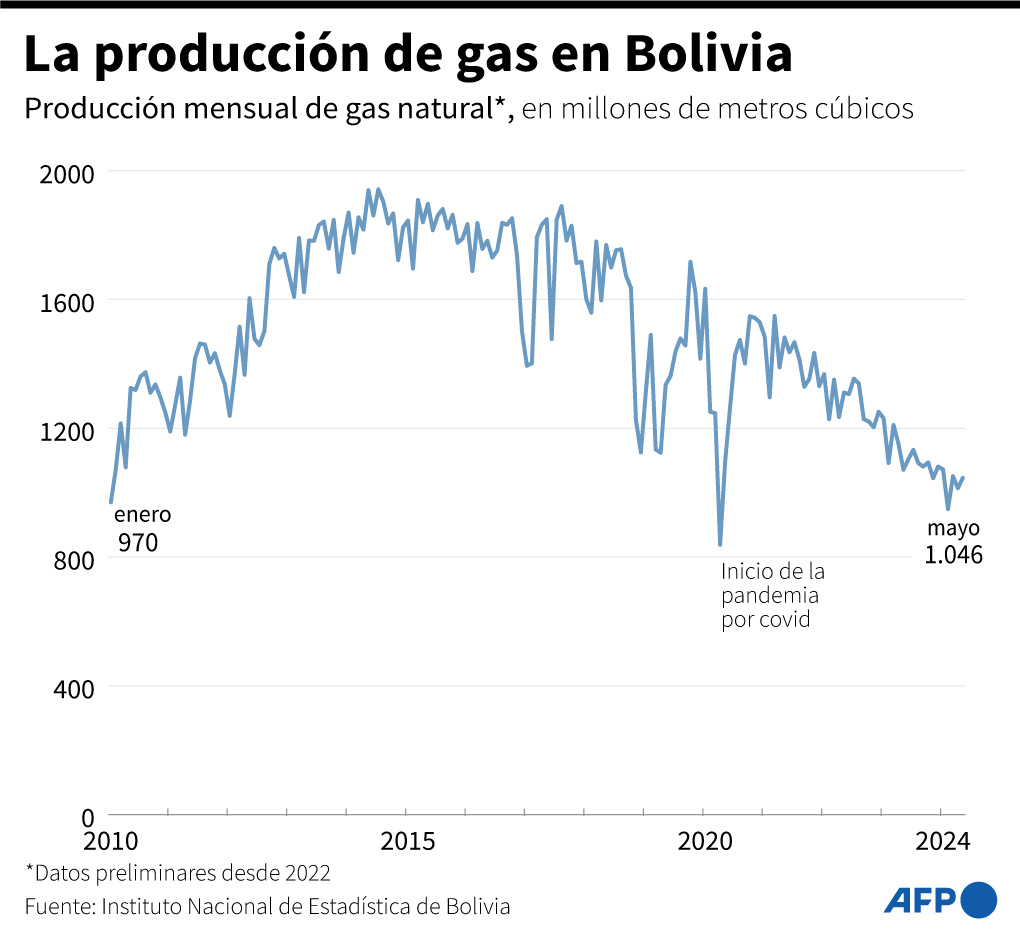
The economic model established by the MAS when Morales came to power in 2006 was characterized by being statist and redistributive. The nationalization of natural resources provided the necessary funds to increase social spending and make direct transfers through bonds to the most impoverished sectors and subsidies.
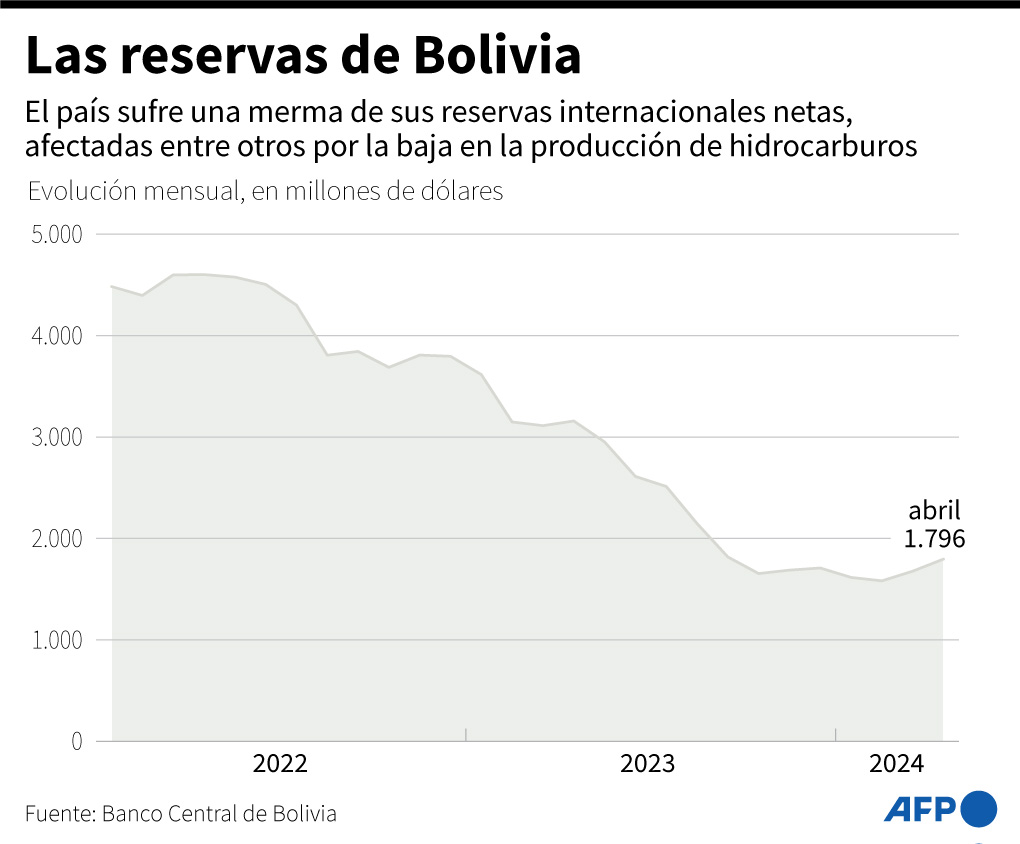
With reduced export revenues and the maintenance of a robust social spending policy, the effect has been felt on the reserves of the Central Bank, which have fallen to $1.9 billion, after reaching $15 billion in 2014. Current external debt stands at $13.5 billion, and there have been 11 consecutive years of fiscal deficit, projected at 7.8% for this year[5]. The fixed exchange rate today is nearly seven bolivianos per dollar, but the unofficial rate reaches 20 bolivianos for the U.S. dollar.
Inflation, previously contained, reached 9.9% in 2024 precisely due to the aforementioned structural imbalances and climatic factors that have impacted agricultural production[6].
For this year, the World Bank has projected a growth of Bolivia’s gross domestic product (US$45 billion) of 1.2% and only 1.1% for 2026 and 2027[7], well below previous years and lower than the regional average.
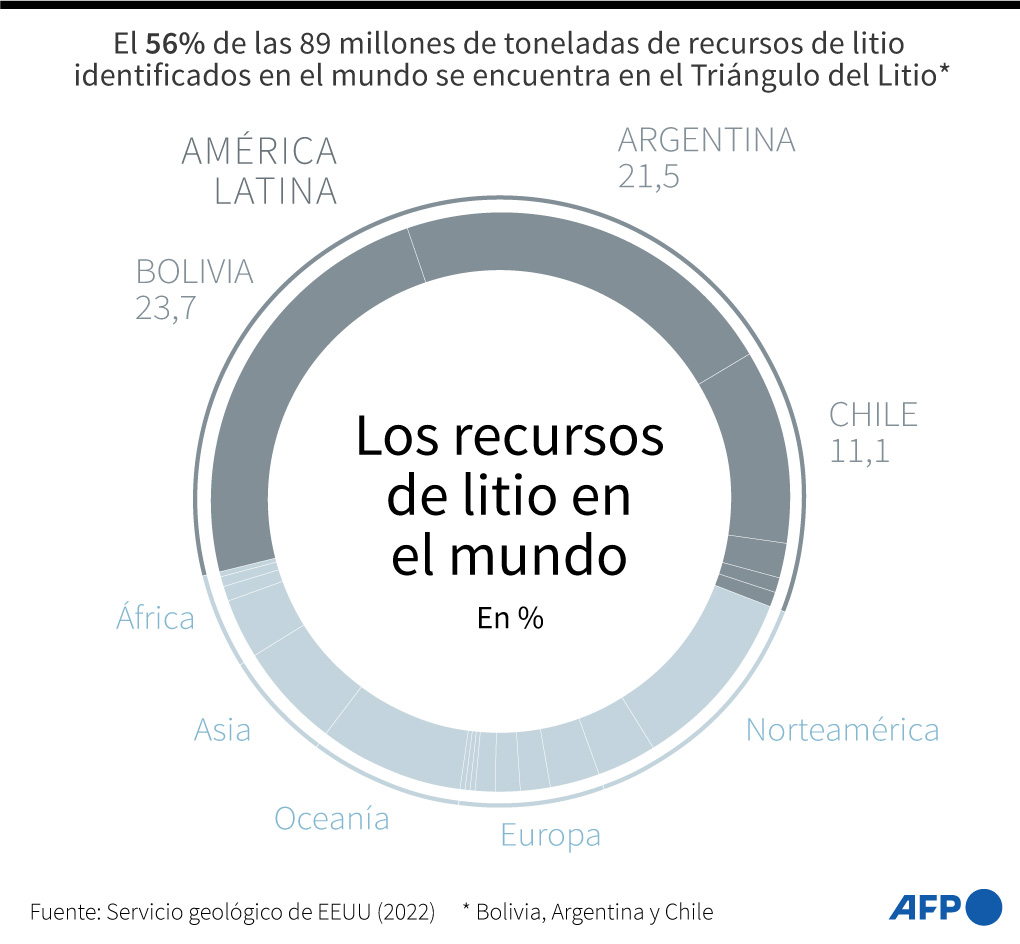
For all the above reasons, it is clear that the economic crisis is more structural than situational, as it relates to the exhaustion of an economic model that does not provide significant space for private investment and that prioritized public investment in infrastructure and state-to-state agreements. The lack of development of the lithium extraction industry in the highland country is an example of what poor policies produce when it comes to attracting capital[8].
If a new government were to open Bolivia to private investments, especially foreign ones, it would have to guarantee their legal and physical security, something difficult amid the volatile political situation in the country, despite the existence of all kinds of mining and energy resources.
DRUG TRAFFICKING. Bolivia ranks third in the world for coca leaf production, following Colombia and Peru, a key input for the production of cocaine hydrochloride. However, the area under cultivation of this shrub has tended to stabilize, according to the United Nations Office on Drugs and Crime. While in 2022 there were 29,900 hectares, in 2023 it increased to 31,000 hectares, a 4% rise[9].
Although the stabilization of the cultivation area, which exceeds the 22,000 hectares of coca established by local law for traditional consumption, could be considered good news, it is accompanied by concerning behaviors regarding the fight against drug trafficking, a task that, amid the struggle between Arce and Morales and the economic crisis, does not seem to be a priority for the government.
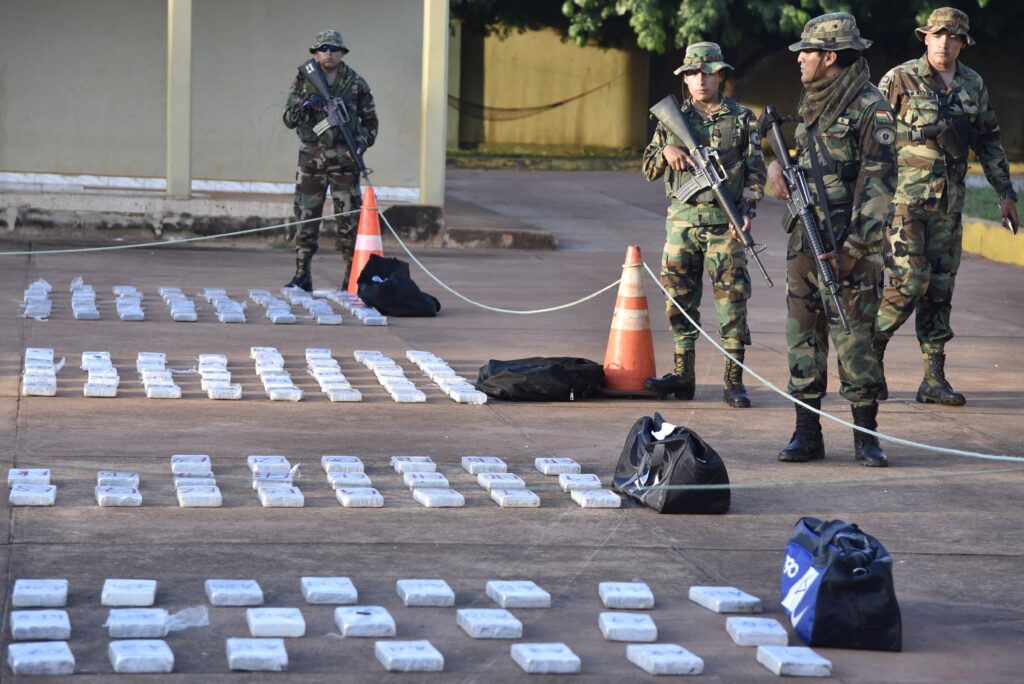
According to the specialized site InSight Crime, authorities seized nearly 46 tons of cocaine in 2024, a record that doubles the seizures of 2023. However, this reality would only prove that Bolivia’s role as a producer and exporter of cocaine is increasing[10], as the volumes of intercepted drugs are always greater the closer they are to the sites of production of the alkaloid.
Moreover, the announced larger seizure of cocaine in Bolivia’s history in 2024, with 21.6 tons, was questioned because not all packages contained pure alkaloid, raising doubts about the honesty of the authorities who presented that achievement.
Additionally, the penetration of Brazilian mega-criminal organizations in the east is a significant problem, as demonstrated by the capture this year, in Santa Cruz de la Sierra, of Marcos Roberto de Almeida, alias “Tuta,” considered one of the main leaders of the First Command of the Capital (PCC)[11]. Almeida had been directing PCC operations in Bolivia since 2020.
EXTRA-REGIONAL ACTORS. During his 13 years in power, Morales worked to strengthen ties with countries such as China, Iran, and Russia, as part of his anti-American policy, which led him to expel the U.S. ambassador and agencies from that country, including the Drug Enforcement Administration (DEA). Although less confrontational than his predecessor, Arce continued to deepen this approach, even after the illegal and unprovoked invasion of Ukraine.
With Russia, the development of nuclear technology for peaceful purposes, already underway, and the exploitation of lithium concentrate joint efforts. The Russian State Atomic Energy Corporation (ROSATOM) established the Nuclear Technology Research and Development Center in Bolivia, the most important project in Latin America, according to the company’s president, Ivan Dybov. The center, located in El Alto, on the outskirts of La Paz, has three components: one dedicated to radiopharmaceuticals; another to agricultural products; and the third, a nuclear research reactor, currently under construction[12].
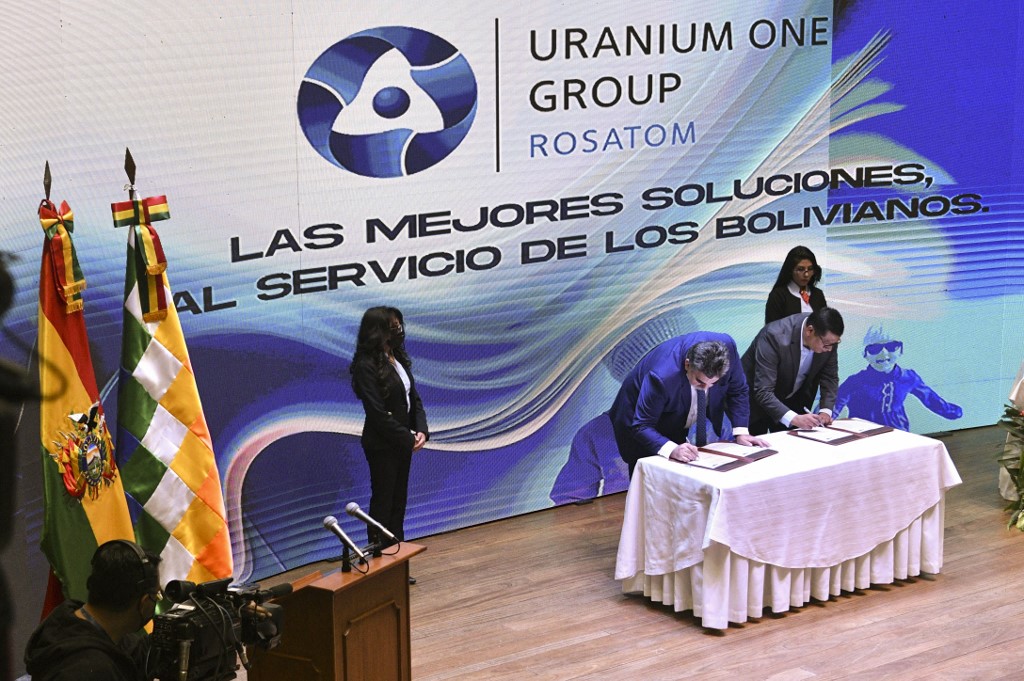
Uranium One Group, part of ROSATOM, signed an agreement two years ago with the state-owned Yacimientos de Litio Boliviano for $450 million to begin the exploitation of the chemical element, aiming to produce 14,000 tons annually of carbonate, a basic input for electric batteries[13].
Also in the energy sector, the Russian oil producer Lukoil sent 366,000 barrels of diesel to Bolivia last year through the Chilean port of Arica. This initiative, aimed at alleviating the fuel shortage in the highland country, was made possible after a visit by Arce to Russia in 2024[14].
With China, beyond trade and investment ties—also in lithium—cooperation in the space field has been strengthened. From Sichuan province, the telecommunications satellite Tupac Katari was launched in December 2013, in an operation that cost $300 million. According to The Washington Post, the Amachuma ground station, from where the satellite is contacted, would allow China to have surveillance capabilities in skies far from its own borders[15].
The Asian country has also supplied the Bolivian Armed Forces[16] with light attack aircraft K-8 (two of the six have crashed); Z-9 helicopters; transport trucks, and light weaponry.
Finally, Bolivia and Iran signed a controversial security and defense agreement in 2023, in which Tehran committed to provide drones, river patrol boats, and cybersecurity capabilities. According to local authorities, the manned aircraft, which are already in the highland country, would aim to improve border control and combat drug trafficking[17].
Depending on how the current instability evolves, Russia, China, and Iran will have to safeguard their invested assets in the fields of energy, space, and security. A more pro-Western government could complicate their presence, making the temptation to influence the current electoral process a possibility. These three countries have demonstrated that they possess diplomatic coordination capabilities in other crisis scenarios, especially in Europe.
A precedent to consider is the case of the “Chinese missiles,” which occurred in 2005 when, under the presidency of Eduardo Rodríguez, a batch of thirty portable Chinese HN-5 surface-to-air missiles was transferred to the United States for deactivation. The fear then was that they could fall into the hands of radical groups, given the political turbulence shaking Bolivia, which later allowed Morales to come to power. With Iranian drones, for example, a similar scenario could arise in the future.
CONCLUSION. The disintegration of the MAS as the main political force in Bolivia over the past two decades, with a brief interlude, has generated profound instability. This reality forces both left and right parties to reorganize amid the electoral process. In this scenario, former president Evo Morales seeks to maintain his political relevance by appealing once again to social unrest. In his calculations, it seems that Arce’s departure would pave the way for his return to power. However, he should consider that the Armed Forces have not shown him sympathy in 2019 and 2024, when they suggested his departure from office and, apparently, facilitated an “attempted coup” to support the unpopular Arce.
The economic exhaustion of an extractive and redistributive model creates a very complex landscape for the next government, regardless of its political color, as it will assume office without ample fiscal resources. The dismantling of direct allocations and the end of the fixed exchange rate, as measures that could be recommended by international credit institutions, only augur more protests, which will not create a favorable climate for foreign investments.
For transnational criminal organizations, especially Brazilian ones like the PCC, a favorable context arises to expand their activities in a country that is historically the third-largest producer of cocaine.
The presence of extra-regional actors in the fields of security, especially energy, must be observed with particular attention, as they will have to safeguard their assets, which they could do individually or in coordination using various means of influence.
The Chilean government must prepare a contingency plan for the consequences of a worsening of the current scenario in the neighboring country, given that the common border is already under pressure from irregular migratory flows and all kinds of smuggling (in both directions). It is clear that the situation currently affecting 12 million Bolivians will not remain within the country’s borders, as fundamental changes are observed in the political and economic fields, with repercussions on foreign alignment and the behavior of illegal economies.
Juan Pablo Toro V.
Executive Director AthenaLab
05/28/2025
[1] “FINAL REPORT: Electoral Integrity Analysis of the General Elections in the Plurinational State of Bolivia, October 20, 2019”. OAS. More rights for more people. December 4, 2019. Accessed 01-09-2023.
[2] https://es-us.finanzas.yahoo.com/noticias/presidente-bolivia-bloqueos-causado-p%C3%A9rdidas-222954303.html
[3] https://www.lostiempos.com/actualidad/pais/20250328/andronico-logra-18-primera-encuesta-siguen-samuel-tuto-manfred-eje
[4] https://www.ine.gob.bo/index.php/publicaciones/indicadores-de-competitividad-del-comercio-exterior-de-bolivia-2004-2023/
[5] https://www.france24.com/es/am%C3%A9rica-latina/20241218-bolivia-despide-un-2024-con-una-crisis-m%C3%BAltiple-y-avizora-un-2025-de-alta-tensi%C3%B3n
[6] https://www.bloomberglinea.com/latinoamerica/bolivia/como-paso-bolivia-de-controlar-la-inflacion-a-tener-una-de-las-mas-altas-de-latinamerica/
[7] https://eldeber.com.bo/economia/banco-mundial-proyecta-un-crecimiento-de-solo-12-para-bolivia-en-2025_511750/#:~:text=INFORME-,Banco%20Mundial%20proyecta%20un%20crecimiento%20de%20solo,2%25%20para%20Bolivia%20en%202025&text=El%20organismo%20recomienda%20al%20pa%C3%ADs,de%20respuesta%20ante%20shocks%20externos
[8] Bednarski, L. (2024). The Battery Wars. The Geopolitical Battle for Control of Lithium Mines and Dominance in the New Energy Revolution. Madrid: Errata Naturae, p.165.
[9] https://www.unodc.org/documents/data-and-analysis/WDR_2024/languages/2412493S.pdf
[10] https://insightcrime.org/news/the-doubts-behind-bolivias-biggest-cocaine-seizure-ever/
[11] https://elpais.com/america/2025-05-18/bolivia-captura-y-expulsa-a-un-alto-jefe-del-narco-brasileno.html
[12] https://abi.bo/index.php/sociedad2/49263-rosatom-centro-de-investigacion-en-tecnologia-nuclear-de-bolivia-es-el-proyecto-mas-importante-y-un-referente-en-latinoamerica
[13] https://www.biobiochile.cl/noticias/economia/negocios-y-empresas/2024/09/13/bolivia-acuerda-con-una-empresa-rusa-construir-una-planta-de-extraccion-directa-de-litio.shtml
[14] https://www.lostiempos.com/actualidad/economia/20240620/petrolera-rusa-envia-primer-despacho-diesel-bolivia
[15] https://www.washingtonpost.com/world/interactive/2023/china-space-program-south-america-defense/
[16] https://ceeep.mil.pe/2023/01/03/transferencias-de-armamento-y-competencia-de-grandes-potencias-en-america-latina/?lang=en
[17] https://www.infobae.com/america/america-latina/2023/07/26/el-gobierno-de-bolivia-admitio-que-el-acuerdo-con-iran-incluye-drones-lanchas-y-ciberseguridad/