Latin American National Security and Defense According to Washington
This article was translated automatically and may contain differences from the original. For reference, read the original.
The priorities of the United States regarding national security have not changed. Transnational organized crime remains at the top of the list, but now it is no longer just a priority for them. They demand that it be a priority for everyone else as well.
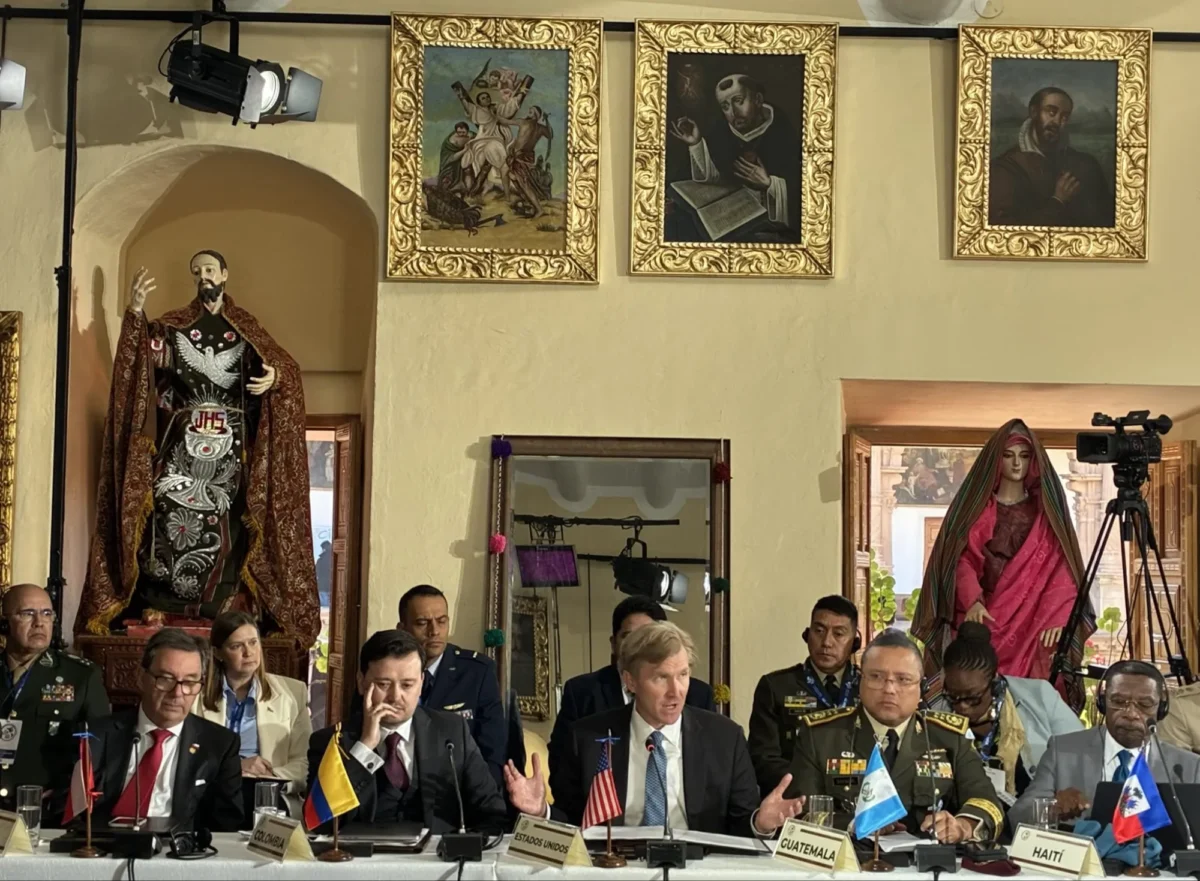
While the Salitre exercise organized by the Chilean Air Force was taking place in Chile and the new soldiers of the glorious Army of Chile were swearing allegiance to the flag, the XVII Conference of Defense Ministers of the Americas was being held in the historic Peruvian city of Cusco. Thirty-eight delegations attended, with Chile represented by its Minister of National Defense, Mr. Fernando Barros Tocornal.
There are critics of the validity of these meetings, but they serve a purpose. They facilitate acquaintance among ministers from other countries, provide insight into what is happening and what concerns other ministers and attending authorities, and, above all, they help to agree on joint actions in areas beyond national defense. They lay the necessary groundwork for efforts that may require cooperation among regional countries facing common challenges.
The statement from our Ministry of National Defense indicates: “Among the topics addressed during the meeting, cooperation against transnational organized crime, strengthening cyber defense and cybersecurity, and coordinating capabilities to respond to natural disasters and emergencies that may affect countries in the hemisphere were highlighted.” As I mentioned earlier, nothing pertains to what is traditionally understood as defense to the extent that one might wonder why to discuss them in that context and with those attendees. The answers are not so obvious, but they relate to the fact that in this region there are no significant operational defense pacts to discuss, so they are used to talk about common problems that affect them, and furthermore, the main definitions regarding hemispheric security primarily come from Washington, which is what we will focus on for the rest of this column. Washington uses these types of forums, those in Cusco and Miami, to express its concerns and therefore its priorities regarding national security. That was what happened in Cusco and what had previously occurred in Miami.
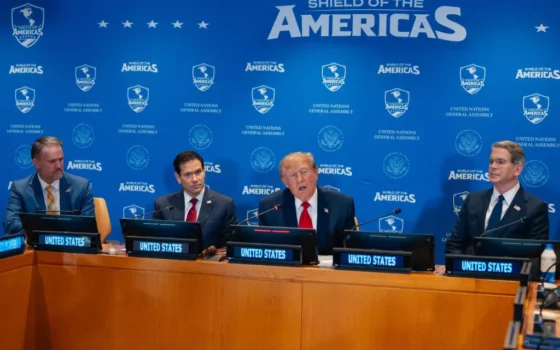
The United States of America, unlike the meetings held in Miami earlier this year regarding the “Shield of the Americas” initiative—instances attended by President Donald Trump and Secretary of War Pete Hegseth—sent Elbridge Colby, Under Secretary of War for Defense Policy and Foreign Relations at the Department of War, meaning the person who oversees national defense strategy and relations with other U.S. agencies and foreign governments. Although he is an under secretary, he is not just any under secretary, and that is worth noting.
We are talking about a senior government official from the Department of War who is very clear about what the national security strategy states, particularly regarding defense. This is important since Americans manage security relations with the Americas primarily through the Department of War and its Southern Command located in Doral, Florida. Clearly, the focus of the Cusco meeting was on the speech of the Under Secretary of War, to the point that it was reported in media across the region.
Whenever an American authority speaks at such instances, everyone pays attention. Did he say anything we didn’t already know? Not at all. Nothing new was said this time, but the fact that it is repeated multiple times throughout the year holds value and is a clear indication that they are serious. Repetition has value.
While it is true that this time the focus was not on Chinese strategic investments in the Americas, nor on the flow of illegal immigration towards them, the main points were to reaffirm the necessity and explanation of the national security strategy focused on hemispheric security, and on the joint efforts with U.S. assistance that countries in the region must undertake against transnational organized crime.The United States is not going to do the work for others; it controls, demands, and expects each country to do its part, but it will clearly assist in the efforts that need to be made by the rest of the region in their respective geographies.
The focus of the United States will be on drug trafficking that affects them most directly, which originates in the nearest countries, in Central America, the Caribbean, and the northern part of South America. That is what they have been doing and will continue to do, but this does not mean they will not help countries like Chile, Argentina, Peru, and Bolivia in tackling and neutralizing transnational crime operating in the area, especially if it is exacerbated by the anti-drug activities they promote in their closest area of influence, known as Greater North America.
Inevitably, anti-organized crime activities directed against those operating in Greater North America will lead to a displacement of criminal activity towards the southern part of South America, directly affecting Peru, Bolivia, Argentina, and Chile. This will require actions and coordination similar to those that occurred at the end of May in Santiago, but it is understood that they will have the support of the U.S. government as the aforementioned countries demonstrate concern and action. The United States demands reliable, strong, and effective partners. It does not want weak and dependent ones.
The Under Secretary also mentioned that countries in the Americas must increase their defense spending and investment, highlighting Peru’s purchase of F-16 B70s. He did this because, just as they demand that we step up our security and combat against organized crime, they expect each country to take responsibility for its defense, raising spending and investment to current international standards closer to or exceeding 3% of GDP. The United States will not continue to provide security and defense umbrellas to those who do not do their part. The same principle that applies to NATO applies to countries in Latin America.
In summary, meetings like the one in Cusco are very useful, regardless of whether defense ministers attended instead of security ministers; they serve to get to know each other, converse, and agree on joint actions against transnational organized crime, which is very necessary when countries like Chile and Peru are using military troops to safeguard their borders in support of police actions and other state agencies that dedicate time and effort against the criminal activities of drug traffickers and smugglers.
Meetings like the one in Cusco are even more valuable when high-ranking officials from the U.S. government attend to reinforce and remind them of the priorities they have regarding national security, but, above all, to demand that countries in the region act on criminal matters and that, as they do so and align with U.S. national interests, they will receive support and assistance. The days of efforts being solely theirs are over. It is time for Chile and its neighbors to invest in capabilities to combat transnational organized crime, in intelligence capabilities, in collaborative efforts among countries facing common and similar problems or challenges, and in border protection capabilities.
The main conclusion from the meeting of defense ministers in Cusco was not the increase in defense spending and investment, which was certainly recommended and requested. The priorities of the United States regarding national security have not changed. Transnational organized crime remains at the top of the list, but now it is no longer just a priority for them. They demand that it be a priority for everyone else. The days of being “cochiguagua” in the Americas are over.