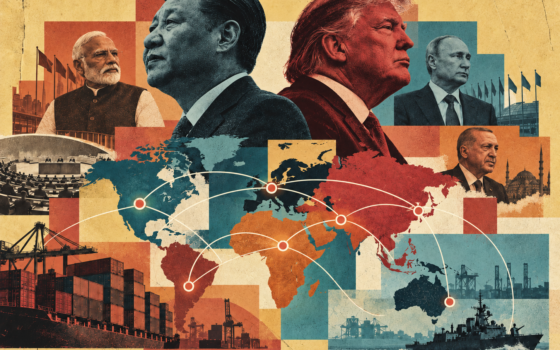
Technological Transfers as Tools of Geopolitical Power: A Political, Economic, and Security Discussion
This article was translated automatically and may contain differences from the original. For reference, read the original.
- by Sascha Hannig
- Guest Contributions

This report examines the strategic role of technological transfers as tools of geopolitical power in the current global context. It also analyzes their implications for national security, economic development, and digital sovereignty in Latin America, particularly in Chile.
Based on the analysis of specific cases and global trends, the following key points are identified:
- Technology as an Instrument of Power: The technological capabilities of a state directly affect its relative power in the international system. Both access to and control of advanced technologies enhance its economic, political, cultural, and, of course, military influence.
- Technological Transfers with Geostrategic Impact: The transfer of key technologies, such as digital infrastructure, 5G networks, facial recognition, and surveillance systems, carries political and security implications that transcend their technical or commercial value.
- Risks Associated with Foreign Actors: There is debate over whether the involvement of state or private technology providers with ties to authoritarian governments poses cybersecurity risks, undue control over sensitive data, and interference in critical infrastructure.
- Emblematic Cases in Latin America: Examples such as the deployment of 5G, the construction of the trans-Pacific submarine cable “Humboldt,” and space cooperation in Chile (Ventarrones) and Argentina (Neuquén) demonstrate how technological decisions are deeply influenced by geopolitical dynamics.
- Decision-Making Conditioned by Multiple Factors: The decisions of Latin American governments regarding technology providers respond to a combination of criteria:
- International reputation and shared normative standards;
- National security interests and diplomatic pressures;
- Economic incentives, access to financing, and interoperability.
- Presence of Global Actors in the Region: Powers such as China, the United States, and medium powers like certain actors in the European Union, Japan, and South Korea actively participate in technological transfer processes to Latin America, each with differentiated strategies and objectives.
- Institutional and Regulatory Heterogeneity: Differences in technical capacities, regulatory frameworks, and levels of development among countries in the region complicate a uniform analysis of the challenges of technological governance in the region.
- Need for Strong Regulatory Frameworks and Regional Coordination: To mitigate risks and maximize benefits, it is recommended to strengthen local institutions, harmonize data protection and digital security regulations, and promote greater regional cooperation.
- Balance Between Development and Technological Independence: While technological transfer can accelerate economic and social progress, its impact on state autonomy and the ability to protect fundamental rights must be carefully evaluated.
In summary, the report concludes that digital transformation in Latin America represents both an opportunity and a challenge. The region must move towards a strategy that integrates technological development with a long-term geopolitical vision, strengthening its sovereignty, security, and democratic governance in an increasingly competitive international context.
by Sascha Hannig
Analista internacional